


Bignoniaceae
Radermachera sinica
Bring a refined, airy green canopy to your space with the China Doll Plant in premium tree form. Its glossy, delicate leaflets look instantly upscale in receptions, living rooms, and bright offices—while staying easy to maintain with simple, consistent watering and bright indirect light. A perfect statement plant for modern interiors.
1. Basic Identification
Common Name: China Doll Plant
Botanical Name: Radermachera sinica
Plant Variant: Standard
Plant Color: Natural
Plant Country: Iran
Arabic Name: Other
Stems: Single tree form
Family: Bignoniaceae
2. Taxonomy & Classification
The China Doll Plant belongs to the Bignoniaceae family, which is also known as the trumpet creeper family. It is a perennial evergreen tree in the genus Radermachera, known for its rapid growth and lace-like foliage.
3. Origin & Distribution
Radermachera sinica is native to the subtropical mountain regions of southern China and Taiwan. It was introduced as a houseplant in the 1980s and has since become popular worldwide for its decorative, fern-like appearance.
4. Visual Characteristics
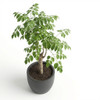
It features bipinnate, glossy, emerald-green leaves that are deeply divided into smaller leaflets, giving it a delicate, lacy appearance. In its tree form, it develops a woody trunk and a bushy, umbrella-shaped canopy.
5. Size & Dimensions
Indoors, the China Doll typically reaches heights of 4 to 6 feet (1.2 to 1.8 meters). It can be maintained at a specific size through regular pruning. Its spread usually ranges from 1 to 3 feet depending on maturity.
6. Light Requirements
This plant thrives in bright, indirect light. While it can tolerate some direct morning sun, harsh afternoon rays may scorch the delicate leaves. Insufficient light can lead to "leggy" growth and leaf drop.
7. Watering Needs
The soil should be kept consistently moist but never waterlogged. Water when the top inch of soil feels dry to the touch. It is sensitive to both overwatering and extreme drought, so consistency is key.
8. Soil & Potting
A well-draining, rich potting mix is essential. Using a peat-based mix with added perlite or sand ensures adequate drainage and prevents root rot, which is a common issue for this species.
9. Temperature & Humidity
It prefers standard room temperatures between 65°F and 75°F (18°C–24°C). China Doll plants appreciate high humidity; avoid placing them near drafty windows, air conditioning vents, or heaters, as they are sensitive to temperature fluctuations.
10. Fertilization
Apply a balanced, water-soluble liquid fertilizer once a month during the active growing season (spring and summer). Reduce or stop fertilization during the dormant winter months.
11. Maintenance & Care Level
The maintenance level is moderate to easy. While it is vigorous, it requires a stable environment. It dislikes being moved frequently, which often causes it to drop its leaves as a stress response.
12. Growth & Propagation
It is a fast grower. Propagation is best achieved through stem cuttings or seeds, though stem cuttings can be challenging for beginners. Strategic pruning helps maintain its tree-like shape and encourages bushier growth.
13. Common Problems
The most common issue is leaf drop due to changes in light, temperature, or watering. It is also susceptible to common houseplant pests like aphids, mealybugs, and spider mites if the air is too dry.
14. Benefits & Uses
It is an excellent air-purifying plant, known for filtering common indoor toxins. Its elegant tree-form structure makes it a favorite for interior design, specifically in corporate lobbies, reception areas, and spacious living rooms.
15. Toxicity & Safety
Radermachera sinica is considered non-toxic to humans, dogs, and cats, making it a safe choice for households with pets and children.
Radermachera sinica

Bring a refined, airy green canopy to your space with the China Doll Plant in premium tree form. Its glossy, delicate leaflets look instantly upscale in receptions, living rooms, and bright offices—while staying easy to maintain with simple, consistent watering and bright indirect light. A perfect statement plant for modern interiors.
1. Basic Identification
Common Name: China Doll Plant
Botanical Name: Radermachera sinica
Plant Variant: Standard
Plant Color: Natural
Plant Country: Iran
Arabic Name: Other
Stems: Single tree form
Family: Bignoniaceae
2. Taxonomy & Classification
The China Doll Plant belongs to the Bignoniaceae family, which is also known as the trumpet creeper family. It is a perennial evergreen tree in the genus Radermachera, known for its rapid growth and lace-like foliage.
3. Origin & Distribution
Radermachera sinica is native to the subtropical mountain regions of southern China and Taiwan. It was introduced as a houseplant in the 1980s and has since become popular worldwide for its decorative, fern-like appearance.
4. Visual Characteristics
It features bipinnate, glossy, emerald-green leaves that are deeply divided into smaller leaflets, giving it a delicate, lacy appearance. In its tree form, it develops a woody trunk and a bushy, umbrella-shaped canopy.
5. Size & Dimensions
Indoors, the China Doll typically reaches heights of 4 to 6 feet (1.2 to 1.8 meters). It can be maintained at a specific size through regular pruning. Its spread usually ranges from 1 to 3 feet depending on maturity.
6. Light Requirements
This plant thrives in bright, indirect light. While it can tolerate some direct morning sun, harsh afternoon rays may scorch the delicate leaves. Insufficient light can lead to "leggy" growth and leaf drop.
7. Watering Needs
The soil should be kept consistently moist but never waterlogged. Water when the top inch of soil feels dry to the touch. It is sensitive to both overwatering and extreme drought, so consistency is key.
8. Soil & Potting
A well-draining, rich potting mix is essential. Using a peat-based mix with added perlite or sand ensures adequate drainage and prevents root rot, which is a common issue for this species.
9. Temperature & Humidity
It prefers standard room temperatures between 65°F and 75°F (18°C–24°C). China Doll plants appreciate high humidity; avoid placing them near drafty windows, air conditioning vents, or heaters, as they are sensitive to temperature fluctuations.
10. Fertilization
Apply a balanced, water-soluble liquid fertilizer once a month during the active growing season (spring and summer). Reduce or stop fertilization during the dormant winter months.
11. Maintenance & Care Level
The maintenance level is moderate to easy. While it is vigorous, it requires a stable environment. It dislikes being moved frequently, which often causes it to drop its leaves as a stress response.
12. Growth & Propagation
It is a fast grower. Propagation is best achieved through stem cuttings or seeds, though stem cuttings can be challenging for beginners. Strategic pruning helps maintain its tree-like shape and encourages bushier growth.
13. Common Problems
The most common issue is leaf drop due to changes in light, temperature, or watering. It is also susceptible to common houseplant pests like aphids, mealybugs, and spider mites if the air is too dry.
14. Benefits & Uses
It is an excellent air-purifying plant, known for filtering common indoor toxins. Its elegant tree-form structure makes it a favorite for interior design, specifically in corporate lobbies, reception areas, and spacious living rooms.
15. Toxicity & Safety
Radermachera sinica is considered non-toxic to humans, dogs, and cats, making it a safe choice for households with pets and children.