


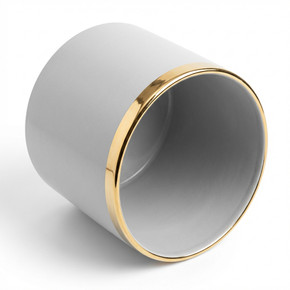




Bring a clean, modern look to any room with the Rubber Plant. Its deep green, high-shine leaves and upright form make it a premium statement piece for living rooms, receptions, and meeting spaces. Easy to maintain, forgiving, and quick to transform a corner into a lush focal point—just give it bright, indirect light and smart watering. A timeless best-seller for anyone who wants big impact with minimal effort.
Common Name: Rubber Plant / فيكس مطاط
Botanical Name: Ficus elastica
Variant: Standard
Color: Natural / Deep Green
Country of Origin: South and Southeast Asia
Kingdom: Plantae
Clade: Tracheophytes
Order: Rosales
Family: Moraceae
Genus: Ficus
Species: F. elastica
The Ficus elastica is native to the eastern parts of South Asia and Southeast Asia, specifically spanning from India and Nepal to Malaysia and Indonesia. In its natural tropical habitat, it grows as a large evergreen tree.
Known for its striking foliage, the Rubber Plant features large, thick, oval-shaped leaves with a glossy, leathery texture. The "Standard" variety typically displays a deep, dark green color. New leaves often emerge from a pinkish or reddish sheath at the tip of the stem, providing a subtle color contrast.
In an indoor setting, the Rubber Plant typically reaches heights of 6 to 10 feet (1.8 to 3 meters), though its growth can be managed through pruning. In its native wild environment, it can grow into a massive tree reaching over 100 feet tall.
Prefers bright, indirect light. While it can tolerate lower light levels, it may become "leggy" or lose some of its leaf luster. Direct afternoon sun should be avoided as it can scorch the leaves, though some soft morning sun is beneficial.
Water when the top 1-2 inches of soil have dried out. During the growing season (spring and summer), keep the soil moist but never waterlogged. In winter, reduce watering frequency. Overwatering is the most common cause of root rot in this species.
Requires a well-draining potting mix. A mixture of peat moss, pine bark, and perlite or coarse sand is ideal to ensure proper aeration and drainage.
Thrives in average room temperatures between 60°F and 75°F (15°C - 24°C). It enjoys moderate to high humidity; if the air is very dry, occasional misting or the use of a humidifier is recommended.
Feed with a balanced, water-soluble fertilizer once a month during the spring and summer growing seasons. Do not fertilize during the dormant winter period.
Maintenance Level: Low to Moderate. The large leaves tend to collect dust, which can block sunlight; wipe them periodically with a damp cloth. Pruning can be done to control height or encourage branching.
It is a relatively fast grower under optimal conditions. Propagation is most successfully achieved through stem cuttings or air layering, though the plant produces a milky sap that can be messy during the process.
Susceptible to root rot if overwatered. Sudden leaf drop may occur if the plant is moved to a location with significantly different light or temperature. Common pests include scale, mealybugs, and spider mites.
Highly effective at air purification, specifically known for removing formaldehyde from indoor environments. It is a popular choice for interior design due to its architectural form and ability to serve as a focal point in offices and homes.
The plant is considered toxic to cats, dogs, and horses if ingested. The milky white sap (latex) can also cause skin irritation in humans and pets. Handle with care if the stems are cut.
Bring a clean, modern look to any room with the Rubber Plant. Its deep green, high-shine leaves and upright form make it a premium statement piece for living rooms, receptions, and meeting spaces. Easy to maintain, forgiving, and quick to transform a corner into a lush focal point—just give it bright, indirect light and smart watering. A timeless best-seller for anyone who wants big impact with minimal effort.
Common Name: Rubber Plant / فيكس مطاط
Botanical Name: Ficus elastica
Variant: Standard
Color: Natural / Deep Green
Country of Origin: South and Southeast Asia
Kingdom: Plantae
Clade: Tracheophytes
Order: Rosales
Family: Moraceae
Genus: Ficus
Species: F. elastica
The Ficus elastica is native to the eastern parts of South Asia and Southeast Asia, specifically spanning from India and Nepal to Malaysia and Indonesia. In its natural tropical habitat, it grows as a large evergreen tree.
Known for its striking foliage, the Rubber Plant features large, thick, oval-shaped leaves with a glossy, leathery texture. The "Standard" variety typically displays a deep, dark green color. New leaves often emerge from a pinkish or reddish sheath at the tip of the stem, providing a subtle color contrast.
In an indoor setting, the Rubber Plant typically reaches heights of 6 to 10 feet (1.8 to 3 meters), though its growth can be managed through pruning. In its native wild environment, it can grow into a massive tree reaching over 100 feet tall.
Prefers bright, indirect light. While it can tolerate lower light levels, it may become "leggy" or lose some of its leaf luster. Direct afternoon sun should be avoided as it can scorch the leaves, though some soft morning sun is beneficial.
Water when the top 1-2 inches of soil have dried out. During the growing season (spring and summer), keep the soil moist but never waterlogged. In winter, reduce watering frequency. Overwatering is the most common cause of root rot in this species.
Requires a well-draining potting mix. A mixture of peat moss, pine bark, and perlite or coarse sand is ideal to ensure proper aeration and drainage.
Thrives in average room temperatures between 60°F and 75°F (15°C - 24°C). It enjoys moderate to high humidity; if the air is very dry, occasional misting or the use of a humidifier is recommended.
Feed with a balanced, water-soluble fertilizer once a month during the spring and summer growing seasons. Do not fertilize during the dormant winter period.
Maintenance Level: Low to Moderate. The large leaves tend to collect dust, which can block sunlight; wipe them periodically with a damp cloth. Pruning can be done to control height or encourage branching.
It is a relatively fast grower under optimal conditions. Propagation is most successfully achieved through stem cuttings or air layering, though the plant produces a milky sap that can be messy during the process.
Susceptible to root rot if overwatered. Sudden leaf drop may occur if the plant is moved to a location with significantly different light or temperature. Common pests include scale, mealybugs, and spider mites.
Highly effective at air purification, specifically known for removing formaldehyde from indoor environments. It is a popular choice for interior design due to its architectural form and ability to serve as a focal point in offices and homes.
The plant is considered toxic to cats, dogs, and horses if ingested. The milky white sap (latex) can also cause skin irritation in humans and pets. Handle with care if the stems are cut.
Take 20% off your first order
Enter the code below at checkout to get 20% off your first order