


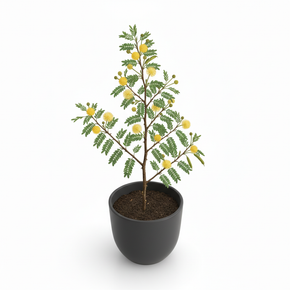




Bring restaurant-level flavor to your home with Sweet Marjoram. This compact, fragrant herb thrives in pots, looks great on a sunny shelf, and rewards you with continuous harvests when you pinch and trim regularly. Perfect for kitchens, balconies, and small workspaces—fresh leaves, beautiful greenery, and a calming aroma in one plant.
Common Name: Sweet Marjoram
Botanical Name: Origanum majorana
Arabic Name: مردقوش
Family: Lamiaceae
Color: Natural
Stems: 1
Sweet Marjoram belongs to the kingdom Plantae, order Lamiales, and the mint family Lamiaceae. It is classified under the genus Origanum. While often confused with its close relative Oregano (Origanum vulgare), Sweet Marjoram is a distinct species known for its milder, sweeter, and more complex flavor profile.
This aromatic herb is native to the Mediterranean region, North Africa, and Western Asia. It has been cultivated since ancient times and is now widely naturalized across Europe and North America, where it is primarily grown for culinary and medicinal purposes.
Sweet Marjoram features small, oval, grayish-green leaves that are covered in soft, velvety hairs, giving them a fuzzy texture. The plant grows on square stems that are multi-branched and become slightly woody at the base. It produces tiny, knot-like clusters of white or pale pink flowers during the summer.
In a domestic setting, Sweet Marjoram typically grows to a height of 12 to 24 inches (30–60 cm) and reaches a spread of about 12 to 18 inches (30–45 cm). Its compact, mounding habit makes it an excellent choice for container gardening and windowsill herb sets.
This herb thrives in full sun and requires at least 6 to 8 hours of direct sunlight daily to maintain its essential oil content and flavor. When grown indoors, it should be placed in the brightest possible location, such as a south-facing window, or supplemented with grow lights.
Sweet Marjoram prefers moderate watering. It is essential to allow the top inch of the soil to dry out completely between waterings. Overwatering or poor drainage can quickly lead to root rot, though the plant is relatively drought-tolerant once established.
The plant requires well-draining soil with a slightly alkaline to neutral pH (6.7 to 7.0). For container growth, use a high-quality potting mix amended with perlite or coarse sand to ensure water moves freely through the root zone.
It prefers warm temperatures between 60°F and 80°F (15°C to 27°C). Sweet Marjoram is a tender perennial that is sensitive to frost; it should be moved indoors or protected when temperatures fall below 40°F (4°C). It performs well in average indoor humidity levels.
Marjoram is a light feeder. Use a balanced, water-soluble organic fertilizer at half-strength every 4 to 6 weeks during the active growing season (spring and summer). Avoid over-fertilizing, as this can lead to rapid growth with less concentrated flavor in the leaves.
The maintenance level is easy. Regular harvesting or "pinching" of the stem tips encourages bushier growth and prevents the plant from becoming leggy. Removing flower buds (deadheading) will also help the plant focus its energy on foliage production.
It is a relatively fast-growing herb. Propagation is most successful via seeds sown in early spring, softwood stem cuttings taken in early summer, or by dividing the root ball of mature plants during the spring repotting phase.
Sweet Marjoram is generally hardy but can be susceptible to aphids, spider mites, and whiteflies if air circulation is poor. Fungal issues like damping-off or root rot can occur if the soil is kept too damp or if the humidity is excessively high without ventilation.
Beyond its culinary value in seasoning soups, sauces, and meats, Sweet Marjoram is used in aromatherapy for its calming properties. It is also grown ornamentally for its fragrant foliage and is known to attract pollinators when allowed to bloom in outdoor settings.
Sweet Marjoram is considered safe and non-toxic for human consumption. According to the ASPCA, it is non-toxic to dogs and cats, making it a safe addition to a pet-friendly home or garden.
Bring restaurant-level flavor to your home with Sweet Marjoram. This compact, fragrant herb thrives in pots, looks great on a sunny shelf, and rewards you with continuous harvests when you pinch and trim regularly. Perfect for kitchens, balconies, and small workspaces—fresh leaves, beautiful greenery, and a calming aroma in one plant.
Common Name: Sweet Marjoram
Botanical Name: Origanum majorana
Arabic Name: مردقوش
Family: Lamiaceae
Color: Natural
Stems: 1
Sweet Marjoram belongs to the kingdom Plantae, order Lamiales, and the mint family Lamiaceae. It is classified under the genus Origanum. While often confused with its close relative Oregano (Origanum vulgare), Sweet Marjoram is a distinct species known for its milder, sweeter, and more complex flavor profile.
This aromatic herb is native to the Mediterranean region, North Africa, and Western Asia. It has been cultivated since ancient times and is now widely naturalized across Europe and North America, where it is primarily grown for culinary and medicinal purposes.
Sweet Marjoram features small, oval, grayish-green leaves that are covered in soft, velvety hairs, giving them a fuzzy texture. The plant grows on square stems that are multi-branched and become slightly woody at the base. It produces tiny, knot-like clusters of white or pale pink flowers during the summer.
In a domestic setting, Sweet Marjoram typically grows to a height of 12 to 24 inches (30–60 cm) and reaches a spread of about 12 to 18 inches (30–45 cm). Its compact, mounding habit makes it an excellent choice for container gardening and windowsill herb sets.
This herb thrives in full sun and requires at least 6 to 8 hours of direct sunlight daily to maintain its essential oil content and flavor. When grown indoors, it should be placed in the brightest possible location, such as a south-facing window, or supplemented with grow lights.
Sweet Marjoram prefers moderate watering. It is essential to allow the top inch of the soil to dry out completely between waterings. Overwatering or poor drainage can quickly lead to root rot, though the plant is relatively drought-tolerant once established.
The plant requires well-draining soil with a slightly alkaline to neutral pH (6.7 to 7.0). For container growth, use a high-quality potting mix amended with perlite or coarse sand to ensure water moves freely through the root zone.
It prefers warm temperatures between 60°F and 80°F (15°C to 27°C). Sweet Marjoram is a tender perennial that is sensitive to frost; it should be moved indoors or protected when temperatures fall below 40°F (4°C). It performs well in average indoor humidity levels.
Marjoram is a light feeder. Use a balanced, water-soluble organic fertilizer at half-strength every 4 to 6 weeks during the active growing season (spring and summer). Avoid over-fertilizing, as this can lead to rapid growth with less concentrated flavor in the leaves.
The maintenance level is easy. Regular harvesting or "pinching" of the stem tips encourages bushier growth and prevents the plant from becoming leggy. Removing flower buds (deadheading) will also help the plant focus its energy on foliage production.
It is a relatively fast-growing herb. Propagation is most successful via seeds sown in early spring, softwood stem cuttings taken in early summer, or by dividing the root ball of mature plants during the spring repotting phase.
Sweet Marjoram is generally hardy but can be susceptible to aphids, spider mites, and whiteflies if air circulation is poor. Fungal issues like damping-off or root rot can occur if the soil is kept too damp or if the humidity is excessively high without ventilation.
Beyond its culinary value in seasoning soups, sauces, and meats, Sweet Marjoram is used in aromatherapy for its calming properties. It is also grown ornamentally for its fragrant foliage and is known to attract pollinators when allowed to bloom in outdoor settings.
Sweet Marjoram is considered safe and non-toxic for human consumption. According to the ASPCA, it is non-toxic to dogs and cats, making it a safe addition to a pet-friendly home or garden.

Take 20% off your first order
Enter the code below at checkout to get 20% off your first order