


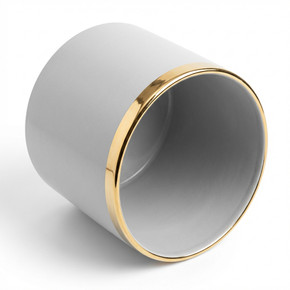




Give a gift that truly grows! The Hoya Kerrii, our enchanting Sweetheart Plant, is more than just a plant—it's a living symbol of love. With its perfectly heart-shaped leaf, this low-maintenance succulent is the ideal way to say 'I care' without saying a word. Perfect for desks, windowsills, or any bright spot, it asks for little but gives back so much charm. Whether for a loved one or a treat for yourself, the Sweetheart Plant is guaranteed to capture hearts. Add this durable token of affection to your cart today!
Common Name: Sweetheart Plant, Lucky-Heart, Valentine Hoya
Botanical Name: Hoya kerrii
Plant Variant: Standard
Plant Color: Green
Arabic Name: بونزاي قلب
Family: Apocynaceae
Kingdom: Plantae
Clade: Tracheophytes
Order: Gentianales
Family: Apocynaceae
Genus: Hoya
Species: H. kerrii
Hoya kerrii is native to Southeast Asia, including Thailand, Vietnam, Laos, Cambodia, and the island of Java in Indonesia. It typically grows as an epiphyte in tropical rainforests.
This plant is iconic for its thick, fleshy, heart-shaped leaves. While often sold as a single rooted leaf, in its natural form, it is a climbing vine. It produces globose clusters (umbels) of small, waxy, star-shaped flowers that are white to pale pink with a dark red or brown central corona.
When sold as a single leaf, it remains roughly 2-4 inches tall. As a mature climbing vine, it can grow up to 13 feet (4 meters) in length, though it is a very slow grower in indoor environments.
The Sweetheart Plant prefers bright, indirect sunlight. It can tolerate some direct sun (especially morning light), which can encourage blooming in mature plants, but it should be protected from intense, scorching afternoon sun.
As a succulent-like species, it is drought-tolerant. Water thoroughly only when the soil has completely dried out. In winter months, reduce watering significantly to prevent root rot.
Requires a very well-draining potting medium. An orchid mix or a succulent soil amended with perlite and bark is ideal to prevent moisture from sitting around the roots.
Thrives in warm temperatures between 18°C and 27°C (65°F - 80°F). It enjoys moderate to high humidity but adapts well to standard indoor humidity levels.
Feed with a balanced liquid fertilizer diluted to half-strength once a month during the active growing season (spring and summer). Do not fertilize during the dormant winter period.
Easy/Low Maintenance. It is incredibly resilient and perfect for beginners. Care involves occasional dusting of the leaves and ensuring it is never left in standing water.
Propagation is usually done via stem cuttings with at least one node. While a single leaf can be rooted, it rarely grows into a full plant unless a small piece of the stem (axillary bud) is attached to the cutting.
The most common issue is overwatering leading to root or leaf rot. It can occasionally attract mealybugs or aphids, which can be wiped away with a damp cloth or treated with neem oil.
Primarily used as a decorative ornamental plant and a popular gift for Valentine's Day. It also contributes to indoor air purification by removing volatile organic compounds.
Hoya kerrii is considered non-toxic to both humans and pets (cats and dogs), making it a safe choice for any household.
Give a gift that truly grows! The Hoya Kerrii, our enchanting Sweetheart Plant, is more than just a plant—it's a living symbol of love. With its perfectly heart-shaped leaf, this low-maintenance succulent is the ideal way to say 'I care' without saying a word. Perfect for desks, windowsills, or any bright spot, it asks for little but gives back so much charm. Whether for a loved one or a treat for yourself, the Sweetheart Plant is guaranteed to capture hearts. Add this durable token of affection to your cart today!
Common Name: Sweetheart Plant, Lucky-Heart, Valentine Hoya
Botanical Name: Hoya kerrii
Plant Variant: Standard
Plant Color: Green
Arabic Name: بونزاي قلب
Family: Apocynaceae
Kingdom: Plantae
Clade: Tracheophytes
Order: Gentianales
Family: Apocynaceae
Genus: Hoya
Species: H. kerrii
Hoya kerrii is native to Southeast Asia, including Thailand, Vietnam, Laos, Cambodia, and the island of Java in Indonesia. It typically grows as an epiphyte in tropical rainforests.
This plant is iconic for its thick, fleshy, heart-shaped leaves. While often sold as a single rooted leaf, in its natural form, it is a climbing vine. It produces globose clusters (umbels) of small, waxy, star-shaped flowers that are white to pale pink with a dark red or brown central corona.
When sold as a single leaf, it remains roughly 2-4 inches tall. As a mature climbing vine, it can grow up to 13 feet (4 meters) in length, though it is a very slow grower in indoor environments.
The Sweetheart Plant prefers bright, indirect sunlight. It can tolerate some direct sun (especially morning light), which can encourage blooming in mature plants, but it should be protected from intense, scorching afternoon sun.
As a succulent-like species, it is drought-tolerant. Water thoroughly only when the soil has completely dried out. In winter months, reduce watering significantly to prevent root rot.
Requires a very well-draining potting medium. An orchid mix or a succulent soil amended with perlite and bark is ideal to prevent moisture from sitting around the roots.
Thrives in warm temperatures between 18°C and 27°C (65°F - 80°F). It enjoys moderate to high humidity but adapts well to standard indoor humidity levels.
Feed with a balanced liquid fertilizer diluted to half-strength once a month during the active growing season (spring and summer). Do not fertilize during the dormant winter period.
Easy/Low Maintenance. It is incredibly resilient and perfect for beginners. Care involves occasional dusting of the leaves and ensuring it is never left in standing water.
Propagation is usually done via stem cuttings with at least one node. While a single leaf can be rooted, it rarely grows into a full plant unless a small piece of the stem (axillary bud) is attached to the cutting.
The most common issue is overwatering leading to root or leaf rot. It can occasionally attract mealybugs or aphids, which can be wiped away with a damp cloth or treated with neem oil.
Primarily used as a decorative ornamental plant and a popular gift for Valentine's Day. It also contributes to indoor air purification by removing volatile organic compounds.
Hoya kerrii is considered non-toxic to both humans and pets (cats and dogs), making it a safe choice for any household.
Take 20% off your first order
Enter the code below at checkout to get 20% off your first order