


Trailing Gazania
Bring instant, sun-powered color to your landscape with Gazania. This tough groundcover blooms generously in bright light, handles heat with ease, and keeps looking neat with simple deadheading. Perfect for edging, rock gardens, and low-water beds—Gazania delivers a vibrant display where other flowers struggle.
1. Basic Identification
Common Name: Gazania, Treasure Flower
Botanical Name: Gazania rigens
Arabic Name: جازانيا
Variant: Standard
Color: Multicolor
2. Taxonomy & Classification
Kingdom: Plantae
Order: Asterales
Family: Asteraceae
Genus: Gazania
Species: Gazania rigens
3. Origin & Distribution
Gazania rigens is native to Southern Africa, particularly South Africa, Mozambique, and Tanzania. It has been naturalized in many other Mediterranean-like climates around the world including parts of Australia, Mediterranean Europe, and California.
4. Visual Characteristics
This plant produces large, daisy-like flower heads that come in vibrant shades of yellow, orange, bronze, and cream, often featuring a contrasting dark ring around the central disk. The flowers have a unique habit of closing at night and on cloudy days. The foliage consists of narrow, lance-shaped leaves that are often dark green on top with a silvery-white underside.
5. Size & Dimensions
Height: 15 to 30 cm (6-12 inches)
Spread: 15 to 30 cm (6-12 inches)
It typically forms a low-growing, clumping mat that makes it an excellent groundcover.
6. Light Requirements
Full Sun. Gazanias require direct, bright sunlight to thrive and to ensure their flowers open fully. They are not suitable for low-light environments.
7. Watering Needs
Low to moderate. Gazania is highly drought-tolerant once established. It is best to water the plant when the top inch of soil feels dry to the touch. Avoid overwatering as this can lead to root rot.
8. Soil & Potting
Prefers well-draining soil. It thrives in sandy or loamy soils and is quite tolerant of poor soil quality. If potting, ensure the container has excellent drainage holes.
9. Temperature & Humidity
Temperature: Thrives in warm weather (15°C to 35°C). It is not frost-hardy and is often treated as an annual in colder climates.
Humidity: Prefers low to moderate humidity; high humidity can sometimes lead to fungal issues.
10. Fertilization
Low requirements. A balanced, water-soluble fertilizer can be applied once a month during the peak growing season (spring and summer) to encourage more blooms, though it is not strictly necessary in fertile soil.
11. Maintenance & Care Level
Care Level: Easy/Low Maintenance. The primary maintenance task is deadheading (removing spent flowers) to encourage continuous blooming throughout the season and to keep the plant looking tidy.
12. Growth & Propagation
Growth Rate: Fast.
Propagation: Easily grown from seeds or by taking basal cuttings in late summer or autumn. It can also be propagated via division of the clumps.
13. Common Problems
Generally pest-resistant, but can occasionally be affected by aphids or mealybugs. The most common issue is root rot or crown rot caused by soggy soil or poor drainage. Powdery mildew may occur in very humid conditions.
14. Benefits & Uses
Excellent for rock gardens, coastal gardens (salt-tolerant), borders, and as a water-wise groundcover. It is also frequently used in hanging baskets and containers to provide high-impact color. It attracts butterflies and other pollinators.
15. Toxicity & Safety
Gazania rigens is generally considered non-toxic to humans, cats, and dogs, making it a safe choice for family gardens and public spaces.

Trailing Gazania
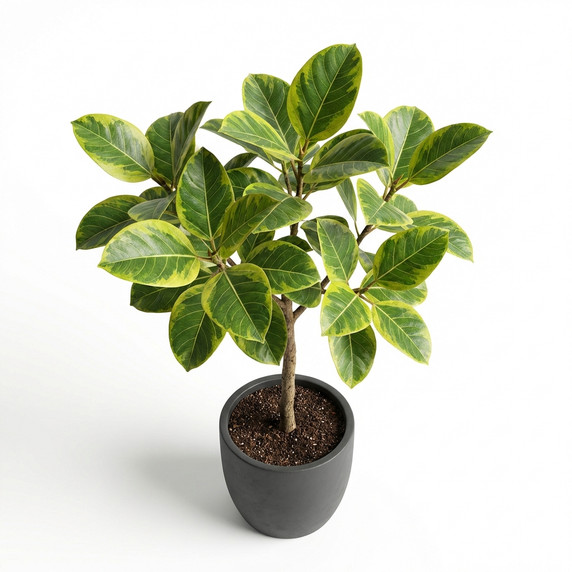
Bring instant, sun-powered color to your landscape with Gazania. This tough groundcover blooms generously in bright light, handles heat with ease, and keeps looking neat with simple deadheading. Perfect for edging, rock gardens, and low-water beds—Gazania delivers a vibrant display where other flowers struggle.
1. Basic Identification
Common Name: Gazania, Treasure Flower
Botanical Name: Gazania rigens
Arabic Name: جازانيا
Variant: Standard
Color: Multicolor
2. Taxonomy & Classification
Kingdom: Plantae
Order: Asterales
Family: Asteraceae
Genus: Gazania
Species: Gazania rigens
3. Origin & Distribution
Gazania rigens is native to Southern Africa, particularly South Africa, Mozambique, and Tanzania. It has been naturalized in many other Mediterranean-like climates around the world including parts of Australia, Mediterranean Europe, and California.
4. Visual Characteristics
This plant produces large, daisy-like flower heads that come in vibrant shades of yellow, orange, bronze, and cream, often featuring a contrasting dark ring around the central disk. The flowers have a unique habit of closing at night and on cloudy days. The foliage consists of narrow, lance-shaped leaves that are often dark green on top with a silvery-white underside.
5. Size & Dimensions
Height: 15 to 30 cm (6-12 inches)
Spread: 15 to 30 cm (6-12 inches)
It typically forms a low-growing, clumping mat that makes it an excellent groundcover.
6. Light Requirements
Full Sun. Gazanias require direct, bright sunlight to thrive and to ensure their flowers open fully. They are not suitable for low-light environments.
7. Watering Needs
Low to moderate. Gazania is highly drought-tolerant once established. It is best to water the plant when the top inch of soil feels dry to the touch. Avoid overwatering as this can lead to root rot.
8. Soil & Potting
Prefers well-draining soil. It thrives in sandy or loamy soils and is quite tolerant of poor soil quality. If potting, ensure the container has excellent drainage holes.
9. Temperature & Humidity
Temperature: Thrives in warm weather (15°C to 35°C). It is not frost-hardy and is often treated as an annual in colder climates.
Humidity: Prefers low to moderate humidity; high humidity can sometimes lead to fungal issues.
10. Fertilization
Low requirements. A balanced, water-soluble fertilizer can be applied once a month during the peak growing season (spring and summer) to encourage more blooms, though it is not strictly necessary in fertile soil.
11. Maintenance & Care Level
Care Level: Easy/Low Maintenance. The primary maintenance task is deadheading (removing spent flowers) to encourage continuous blooming throughout the season and to keep the plant looking tidy.
12. Growth & Propagation
Growth Rate: Fast.
Propagation: Easily grown from seeds or by taking basal cuttings in late summer or autumn. It can also be propagated via division of the clumps.
13. Common Problems
Generally pest-resistant, but can occasionally be affected by aphids or mealybugs. The most common issue is root rot or crown rot caused by soggy soil or poor drainage. Powdery mildew may occur in very humid conditions.
14. Benefits & Uses
Excellent for rock gardens, coastal gardens (salt-tolerant), borders, and as a water-wise groundcover. It is also frequently used in hanging baskets and containers to provide high-impact color. It attracts butterflies and other pollinators.
15. Toxicity & Safety
Gazania rigens is generally considered non-toxic to humans, cats, and dogs, making it a safe choice for family gardens and public spaces.