


Tulipa gesneriana
Brighten your world with the unparalleled charm of our Dutch Tulips. Straight from the heart of the Netherlands, these premium tulips offer a dazzling display of color and elegance. They are the perfect, low-maintenance choice for gifting or adding a touch of sophistication to your home or office. Don't wait for spring—bring it indoors today!
1. Basic Identification
Common Name: Dutch Tulip
Botanical Name: Tulipa gesneriana
Former Name: Not applicable
Plant Type: Flowering Bulb / Perennial
Plant Code / SKU: PLT-1732
Alternative Names:
Garden Tulip
تيولب
2. Taxonomy & Classification
Order: Liliales
Family: Liliaceae
Genus: Tulipa
3. Origin & Distribution
Native to: The genus Tulipa is native to a wide area of Central Asia, including the Pamir, Hindu Kush, and Tien Shan mountain ranges. Cultivated varieties like Tulipa gesneriana are heavily hybridized, with the Netherlands being the global center for commercial production.
Distribution: Cultivated worldwide in temperate climates for garden and cut flower use.
4. Visual Characteristics
Leaves: Broadly lanceolate to ovate, waxy, blue-green leaves, typically 2-6 per plant, emerging directly from the bulb.
Flowers: Large, showy, single flowers that are typically cup or bell-shaped, borne on a single stem. They come in a vast array of colors including red, pink, yellow, purple, white, and bicolored varieties, but not true blue.
Stem: A single, unbranched, smooth, upright flowering stem (scape).
Overall Shape: Upright growth habit with a distinct, elegant flower held above the foliage.
5. Size & Dimensions
Height: Typically ranges from 15 to 60 cm (6 to 24 inches), depending on the specific cultivar.
Width: Each plant is narrow, about 10-15 cm (4-6 inches) wide.
Flower Size: Varies by cultivar, but generally 5 to 10 cm (2 to 4 inches) in height and width.
6. Light Requirements
Indoors: As cut flowers or forced bulbs, they prefer bright, indirect light. Direct sun can cause the flowers to fade and wilt more quickly.
Outdoors: Full sun is ideal for robust growth and vibrant flowering.
7. Watering Needs
General: For bulbs planted in the garden, water thoroughly after planting and during dry spells in spring. They prefer dry conditions during their summer dormancy. For potted or forced bulbs, keep the soil evenly moist but not waterlogged. For cut flowers, change the water every 1-2 days.
8. Soil & Potting
Soil Type: Requires well-draining, fertile, sandy or loamy soil.
pH: Prefers a neutral to slightly acidic pH range of 6.0 to 7.0.
Potting: Use a high-quality, well-draining potting mix. For forcing, bulbs can be planted closely together in a pot with drainage holes, ensuring the tips are just below or at the soil surface.
9. Temperature & Humidity
Temperature: Tulips require a period of cold dormancy (vernalization) at temperatures between 2-9°C (35-48°F) for 12-16 weeks to bloom. For active growth, they thrive in cool to moderate spring temperatures. Hot weather will shorten the lifespan of the blooms.
Humidity: Average indoor or outdoor humidity is sufficient. They are not sensitive to humidity levels.
10. Fertilization
General: For garden-planted bulbs, incorporate a balanced, slow-release bulb fertilizer or bone meal into the soil at planting time in the fall. A low-nitrogen fertilizer can be applied in early spring as new growth emerges. Forced bulbs or cut flowers do not require fertilization.
11. Maintenance & Care Level
Care Level: Easy.
Pruning/Deadheading: After the flower fades, snap off the flower head to prevent it from producing seeds, which diverts energy from the bulb. Allow the foliage to remain until it turns yellow and dies back naturally, as this is how the bulb stores energy for the next year.
Pest/Disease Control: Monitor for aphids, slugs, and snails. Common diseases include Tulip Fire (Botrytis tulipae) and bulb rot, which is often caused by poorly drained soil.
12. Growth & Propagation
Growth Rate: Moderate during the spring growing season, followed by summer dormancy.
Life Cycle: A perennial bulb that flowers in spring, with foliage dying back by early summer.
Propagation: Propagated by separating the small offset bulbs (bulblets) from the parent bulb during the dormant period in late summer or early fall.
13. Common Problems
Pests: Aphids, slugs, snails. Rodents like squirrels and deer may eat the bulbs and flowers.
Diseases: Tulip Fire (a fungal disease causing spots and rot), bulb rot (from overly wet soil), and Tulip Breaking Virus (causes streaked petals and weakens the bulb).
Other Issues: For cut flowers, stems may bend towards light; rotate the vase regularly. In the garden, a lack of flowers (blindness) can result from bulbs being too small, planted too shallowly, or not receiving an adequate cold period.
14. Benefits & Uses
Ornamental: A classic choice for garden beds, borders, mass plantings, containers, and rock gardens. Highly popular and economically significant as a cut flower.
Cultural: A powerful symbol of spring, perfect love, and fame. It holds significant cultural importance, particularly in the Netherlands and its history of "Tulip Mania."
Ecological: Provides an early source of pollen and nectar for bees and other pollinators emerging in spring.
15. Toxicity & Safety
Toxicity to Humans: The bulbs contain allergenic lactones (tulipalin A and B) and are considered toxic if ingested, causing gastrointestinal distress. Handling bulbs can cause contact dermatitis known as "tulip fingers" in sensitive individuals.
Toxicity to Pets: Tulips are toxic to cats, dogs, and horses. The bulb contains the highest concentration of toxins. Ingestion can lead to intense vomiting, diarrhea, drooling, and depression. It is important to prevent pets from digging up or chewing on the bulbs.
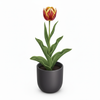
Tulipa gesneriana

Brighten your world with the unparalleled charm of our Dutch Tulips. Straight from the heart of the Netherlands, these premium tulips offer a dazzling display of color and elegance. They are the perfect, low-maintenance choice for gifting or adding a touch of sophistication to your home or office. Don't wait for spring—bring it indoors today!
1. Basic Identification
Common Name: Dutch Tulip
Botanical Name: Tulipa gesneriana
Former Name: Not applicable
Plant Type: Flowering Bulb / Perennial
Plant Code / SKU: PLT-1732
Alternative Names:
Garden Tulip
تيولب
2. Taxonomy & Classification
Order: Liliales
Family: Liliaceae
Genus: Tulipa
3. Origin & Distribution
Native to: The genus Tulipa is native to a wide area of Central Asia, including the Pamir, Hindu Kush, and Tien Shan mountain ranges. Cultivated varieties like Tulipa gesneriana are heavily hybridized, with the Netherlands being the global center for commercial production.
Distribution: Cultivated worldwide in temperate climates for garden and cut flower use.
4. Visual Characteristics
Leaves: Broadly lanceolate to ovate, waxy, blue-green leaves, typically 2-6 per plant, emerging directly from the bulb.
Flowers: Large, showy, single flowers that are typically cup or bell-shaped, borne on a single stem. They come in a vast array of colors including red, pink, yellow, purple, white, and bicolored varieties, but not true blue.
Stem: A single, unbranched, smooth, upright flowering stem (scape).
Overall Shape: Upright growth habit with a distinct, elegant flower held above the foliage.
5. Size & Dimensions
Height: Typically ranges from 15 to 60 cm (6 to 24 inches), depending on the specific cultivar.
Width: Each plant is narrow, about 10-15 cm (4-6 inches) wide.
Flower Size: Varies by cultivar, but generally 5 to 10 cm (2 to 4 inches) in height and width.
6. Light Requirements
Indoors: As cut flowers or forced bulbs, they prefer bright, indirect light. Direct sun can cause the flowers to fade and wilt more quickly.
Outdoors: Full sun is ideal for robust growth and vibrant flowering.
7. Watering Needs
General: For bulbs planted in the garden, water thoroughly after planting and during dry spells in spring. They prefer dry conditions during their summer dormancy. For potted or forced bulbs, keep the soil evenly moist but not waterlogged. For cut flowers, change the water every 1-2 days.
8. Soil & Potting
Soil Type: Requires well-draining, fertile, sandy or loamy soil.
pH: Prefers a neutral to slightly acidic pH range of 6.0 to 7.0.
Potting: Use a high-quality, well-draining potting mix. For forcing, bulbs can be planted closely together in a pot with drainage holes, ensuring the tips are just below or at the soil surface.
9. Temperature & Humidity
Temperature: Tulips require a period of cold dormancy (vernalization) at temperatures between 2-9°C (35-48°F) for 12-16 weeks to bloom. For active growth, they thrive in cool to moderate spring temperatures. Hot weather will shorten the lifespan of the blooms.
Humidity: Average indoor or outdoor humidity is sufficient. They are not sensitive to humidity levels.
10. Fertilization
General: For garden-planted bulbs, incorporate a balanced, slow-release bulb fertilizer or bone meal into the soil at planting time in the fall. A low-nitrogen fertilizer can be applied in early spring as new growth emerges. Forced bulbs or cut flowers do not require fertilization.
11. Maintenance & Care Level
Care Level: Easy.
Pruning/Deadheading: After the flower fades, snap off the flower head to prevent it from producing seeds, which diverts energy from the bulb. Allow the foliage to remain until it turns yellow and dies back naturally, as this is how the bulb stores energy for the next year.
Pest/Disease Control: Monitor for aphids, slugs, and snails. Common diseases include Tulip Fire (Botrytis tulipae) and bulb rot, which is often caused by poorly drained soil.
12. Growth & Propagation
Growth Rate: Moderate during the spring growing season, followed by summer dormancy.
Life Cycle: A perennial bulb that flowers in spring, with foliage dying back by early summer.
Propagation: Propagated by separating the small offset bulbs (bulblets) from the parent bulb during the dormant period in late summer or early fall.
13. Common Problems
Pests: Aphids, slugs, snails. Rodents like squirrels and deer may eat the bulbs and flowers.
Diseases: Tulip Fire (a fungal disease causing spots and rot), bulb rot (from overly wet soil), and Tulip Breaking Virus (causes streaked petals and weakens the bulb).
Other Issues: For cut flowers, stems may bend towards light; rotate the vase regularly. In the garden, a lack of flowers (blindness) can result from bulbs being too small, planted too shallowly, or not receiving an adequate cold period.
14. Benefits & Uses
Ornamental: A classic choice for garden beds, borders, mass plantings, containers, and rock gardens. Highly popular and economically significant as a cut flower.
Cultural: A powerful symbol of spring, perfect love, and fame. It holds significant cultural importance, particularly in the Netherlands and its history of "Tulip Mania."
Ecological: Provides an early source of pollen and nectar for bees and other pollinators emerging in spring.
15. Toxicity & Safety
Toxicity to Humans: The bulbs contain allergenic lactones (tulipalin A and B) and are considered toxic if ingested, causing gastrointestinal distress. Handling bulbs can cause contact dermatitis known as "tulip fingers" in sensitive individuals.
Toxicity to Pets: Tulips are toxic to cats, dogs, and horses. The bulb contains the highest concentration of toxins. Ingestion can lead to intense vomiting, diarrhea, drooling, and depression. It is important to prevent pets from digging up or chewing on the bulbs.