


African Bush Daisy
Bring instant sunshine to your outdoor space with Euryops pectinatus. Its elegant silver-green foliage and vibrant yellow daisy flowers create a fresh, high-contrast look that suits modern patios and Mediterranean gardens alike. Give it full sun and good drainage, and it rewards you with long-lasting color and a naturally tidy mound—an easy, impactful choice for pots, borders, and entryways.
1. Basic Identification
Common Name: Yellow Daisy Bush, Golden Daisy Bush, Grey-leaved Euryops
Botanical Name: Euryops pectinatus
Arabic Name: يوروبس
Plant Variant: Standard
Plant Color: Green
2. Taxonomy & Classification
Kingdom: Plantae
Order: Asterales
Family: Asteraceae
Genus: Euryops
Species: Euryops pectinatus
3. Origin & Distribution
Native to the rocky sandstone slopes of the Western Cape region in South Africa. It has been widely naturalized in Mediterranean-type climates globally, including parts of California and Southern Europe.
4. Visual Characteristics
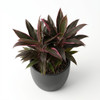
This evergreen shrub features deeply lobed, fern-like foliage with a distinct silvery-grey to grey-green hue. It produces prolific, bright yellow daisy-like flowers approximately 2 inches in diameter, held on long stalks above the foliage.
5. Size & Dimensions
Typically grows into a rounded mound reaching 3 to 5 feet (1 to 1.5 meters) in height and a similar spread of about 3 to 4 feet.
6. Light Requirements
Requires full sun to thrive and bloom profusely. While it can tolerate very light partial shade, it often becomes leggy and produces fewer flowers in lower light conditions.
7. Watering Needs
Moderate watering requirements. It is relatively drought-tolerant once established but performs best with regular watering during dry spells. Ensure the soil dries out slightly between waterings to prevent root rot.
8. Soil & Potting
Prefers well-draining soil. It is adaptable to various soil types including sandy or loamy textures but thrives in slightly acidic to neutral pH levels. For pots, use a high-quality potting mix with added perlite or grit for drainage.
9. Temperature & Humidity
Thrives in USDA Hardiness Zones 8 through 11. It prefers mild to warm climates and is sensitive to heavy frosts. It handles low to moderate humidity well, making it ideal for Mediterranean climates.
10. Fertilization
Feed with a balanced, slow-release fertilizer in early spring as new growth begins. Occasional supplemental feeding during the peak blooming season can support continuous flower production.
11. Maintenance & Care Level
Low maintenance. Deadheading (removing spent flowers) encourages a longer blooming period and keeps the plant looking tidy. Prune lightly in late winter or early spring to maintain a compact, bushy shape.
12. Growth & Propagation
A fast-growing shrub. Propagation is most successful via semi-hardwood cuttings taken in summer or autumn. It can also be grown from seed, though cuttings are preferred for consistency.
13. Common Problems
Generally pest-resistant, but can occasionally be bothered by aphids, snails, or slugs. Overwatering or poorly draining soil can lead to root rot. If grown indoors or in very humid areas, it may be susceptible to grey mold.
14. Benefits & Uses
Excellent for xeriscaping, coastal gardens, and rock gardens. It attracts pollinators like bees and butterflies. Its striking foliage makes it a popular choice for high-contrast landscaping and decorative containers.
15. Toxicity & Safety
Generally considered non-toxic to humans and pets. However, some individuals with sensitivities to the Asteraceae family may experience mild skin irritation (dermatitis) upon contact with the sap.
African Bush Daisy

Bring instant sunshine to your outdoor space with Euryops pectinatus. Its elegant silver-green foliage and vibrant yellow daisy flowers create a fresh, high-contrast look that suits modern patios and Mediterranean gardens alike. Give it full sun and good drainage, and it rewards you with long-lasting color and a naturally tidy mound—an easy, impactful choice for pots, borders, and entryways.
1. Basic Identification
Common Name: Yellow Daisy Bush, Golden Daisy Bush, Grey-leaved Euryops
Botanical Name: Euryops pectinatus
Arabic Name: يوروبس
Plant Variant: Standard
Plant Color: Green
2. Taxonomy & Classification
Kingdom: Plantae
Order: Asterales
Family: Asteraceae
Genus: Euryops
Species: Euryops pectinatus
3. Origin & Distribution
Native to the rocky sandstone slopes of the Western Cape region in South Africa. It has been widely naturalized in Mediterranean-type climates globally, including parts of California and Southern Europe.
4. Visual Characteristics
This evergreen shrub features deeply lobed, fern-like foliage with a distinct silvery-grey to grey-green hue. It produces prolific, bright yellow daisy-like flowers approximately 2 inches in diameter, held on long stalks above the foliage.
5. Size & Dimensions
Typically grows into a rounded mound reaching 3 to 5 feet (1 to 1.5 meters) in height and a similar spread of about 3 to 4 feet.
6. Light Requirements
Requires full sun to thrive and bloom profusely. While it can tolerate very light partial shade, it often becomes leggy and produces fewer flowers in lower light conditions.
7. Watering Needs
Moderate watering requirements. It is relatively drought-tolerant once established but performs best with regular watering during dry spells. Ensure the soil dries out slightly between waterings to prevent root rot.
8. Soil & Potting
Prefers well-draining soil. It is adaptable to various soil types including sandy or loamy textures but thrives in slightly acidic to neutral pH levels. For pots, use a high-quality potting mix with added perlite or grit for drainage.
9. Temperature & Humidity
Thrives in USDA Hardiness Zones 8 through 11. It prefers mild to warm climates and is sensitive to heavy frosts. It handles low to moderate humidity well, making it ideal for Mediterranean climates.
10. Fertilization
Feed with a balanced, slow-release fertilizer in early spring as new growth begins. Occasional supplemental feeding during the peak blooming season can support continuous flower production.
11. Maintenance & Care Level
Low maintenance. Deadheading (removing spent flowers) encourages a longer blooming period and keeps the plant looking tidy. Prune lightly in late winter or early spring to maintain a compact, bushy shape.
12. Growth & Propagation
A fast-growing shrub. Propagation is most successful via semi-hardwood cuttings taken in summer or autumn. It can also be grown from seed, though cuttings are preferred for consistency.
13. Common Problems
Generally pest-resistant, but can occasionally be bothered by aphids, snails, or slugs. Overwatering or poorly draining soil can lead to root rot. If grown indoors or in very humid areas, it may be susceptible to grey mold.
14. Benefits & Uses
Excellent for xeriscaping, coastal gardens, and rock gardens. It attracts pollinators like bees and butterflies. Its striking foliage makes it a popular choice for high-contrast landscaping and decorative containers.
15. Toxicity & Safety
Generally considered non-toxic to humans and pets. However, some individuals with sensitivities to the Asteraceae family may experience mild skin irritation (dermatitis) upon contact with the sap.