


African Marigold 'Chocolate'
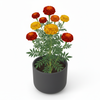
Transform your garden with the luxurious color of our Chocolate African Marigold. Forget typical yellows and oranges—this variety offers breathtaking, velvety blooms in shades of deep maroon and rich bronze. Not only is it a showstopper, but it's also incredibly low-maintenance and naturally repels common garden pests. Perfect for pots, patios, or borders, the Chocolate Marigold provides a continuous display of sophisticated color all season long. Add this unique and hardworking beauty to your cart today!
1. Basic Identification
Common Name: Chocolate African Marigold
Botanical Name: Tagetes erecta
Arabic Name: جعفري
Variety: Chocolate
Plant Color: Multicolor (Maroon and Bronze)
Country of Origin: Netherlands
Family: Asteraceae
2. Taxonomy & Classification
Kingdom: Plantae
Clade: Tracheophytes
Order: Asterales
Family: Asteraceae
Genus: Tagetes
Species: Tagetes erecta
3. Origin & Distribution
While the species Tagetes erecta is native to Mexico and Central America (often called Aztec or Mexican Marigold), this specific 'Chocolate' variant has been refined and cultivated in the Netherlands for the ornamental global market.
4. Visual Characteristics
This variety features large, double-crested flower heads with a velvety texture. Unlike standard marigolds, the 'Chocolate' variant displays deep mahogany, rich maroon, and bronze-tinted petals. The foliage is dark green, deeply laciniated, and possesses a characteristic spicy fragrance.
5. Size & Dimensions
The Chocolate African Marigold typically grows to a height of 12 to 24 inches (30–60 cm) and spreads approximately 12 to 18 inches (30–45 cm) wide, creating a sturdy, bushy appearance.
6. Light Requirements
Full sun is essential. This plant requires at least 6 to 8 hours of direct sunlight daily to produce its signature dark blooms and maintain strong stems.
7. Watering Needs
Moderate watering. It is important to water at the base of the plant to keep the foliage and heavy blooms dry, preventing rot. Allow the top inch of soil to dry out before watering again.
8. Soil & Potting
Prefers well-draining, fertile soil enriched with organic matter. A standard high-quality potting mix with a neutral pH (6.0–7.5) works best for container planting.
9. Temperature & Humidity
Thrives in warm temperatures ranging from 18°C to 30°C. It is frost-sensitive and should only be moved outdoors once the threat of frost has passed. It handles moderate humidity well but requires good air circulation.
10. Fertilization
Apply a balanced, water-soluble fertilizer every 2–4 weeks during the growing season. Avoid excessive nitrogen, which can lead to lush green growth but fewer flowers.
11. Maintenance & Care Level
Low maintenance. Deadheading (the removal of spent flower heads) is highly recommended to encourage the plant to continue blooming throughout the season.
12. Growth & Propagation
A fast-growing annual. It is easily propagated via seeds, which can be started indoors 6 weeks before the last frost or sown directly into the garden once the soil has warmed.
13. Common Problems
Relatively pest-resistant due to its natural oils. However, it can occasionally be affected by spider mites or aphids in very dry conditions, or powdery mildew if the foliage remains wet.
14. Benefits & Uses
Excellent for border edging, mass plantings, and container gardening. It is a functional companion plant, as its roots and scent naturally repel nematodes and other common garden pests. It also attracts beneficial pollinators like butterflies.
15. Toxicity & Safety
Generally considered non-toxic to humans and pets (dogs and cats). However, some individuals may experience mild skin irritation from the sap or foliage, so handling with gloves is advised for those with sensitive skin.
African Marigold 'Chocolate'

Transform your garden with the luxurious color of our Chocolate African Marigold. Forget typical yellows and oranges—this variety offers breathtaking, velvety blooms in shades of deep maroon and rich bronze. Not only is it a showstopper, but it's also incredibly low-maintenance and naturally repels common garden pests. Perfect for pots, patios, or borders, the Chocolate Marigold provides a continuous display of sophisticated color all season long. Add this unique and hardworking beauty to your cart today!
1. Basic Identification
Common Name: Chocolate African Marigold
Botanical Name: Tagetes erecta
Arabic Name: جعفري
Variety: Chocolate
Plant Color: Multicolor (Maroon and Bronze)
Country of Origin: Netherlands
Family: Asteraceae
2. Taxonomy & Classification
Kingdom: Plantae
Clade: Tracheophytes
Order: Asterales
Family: Asteraceae
Genus: Tagetes
Species: Tagetes erecta
3. Origin & Distribution
While the species Tagetes erecta is native to Mexico and Central America (often called Aztec or Mexican Marigold), this specific 'Chocolate' variant has been refined and cultivated in the Netherlands for the ornamental global market.
4. Visual Characteristics
This variety features large, double-crested flower heads with a velvety texture. Unlike standard marigolds, the 'Chocolate' variant displays deep mahogany, rich maroon, and bronze-tinted petals. The foliage is dark green, deeply laciniated, and possesses a characteristic spicy fragrance.
5. Size & Dimensions
The Chocolate African Marigold typically grows to a height of 12 to 24 inches (30–60 cm) and spreads approximately 12 to 18 inches (30–45 cm) wide, creating a sturdy, bushy appearance.
6. Light Requirements
Full sun is essential. This plant requires at least 6 to 8 hours of direct sunlight daily to produce its signature dark blooms and maintain strong stems.
7. Watering Needs
Moderate watering. It is important to water at the base of the plant to keep the foliage and heavy blooms dry, preventing rot. Allow the top inch of soil to dry out before watering again.
8. Soil & Potting
Prefers well-draining, fertile soil enriched with organic matter. A standard high-quality potting mix with a neutral pH (6.0–7.5) works best for container planting.
9. Temperature & Humidity
Thrives in warm temperatures ranging from 18°C to 30°C. It is frost-sensitive and should only be moved outdoors once the threat of frost has passed. It handles moderate humidity well but requires good air circulation.
10. Fertilization
Apply a balanced, water-soluble fertilizer every 2–4 weeks during the growing season. Avoid excessive nitrogen, which can lead to lush green growth but fewer flowers.
11. Maintenance & Care Level
Low maintenance. Deadheading (the removal of spent flower heads) is highly recommended to encourage the plant to continue blooming throughout the season.
12. Growth & Propagation
A fast-growing annual. It is easily propagated via seeds, which can be started indoors 6 weeks before the last frost or sown directly into the garden once the soil has warmed.
13. Common Problems
Relatively pest-resistant due to its natural oils. However, it can occasionally be affected by spider mites or aphids in very dry conditions, or powdery mildew if the foliage remains wet.
14. Benefits & Uses
Excellent for border edging, mass plantings, and container gardening. It is a functional companion plant, as its roots and scent naturally repel nematodes and other common garden pests. It also attracts beneficial pollinators like butterflies.
15. Toxicity & Safety
Generally considered non-toxic to humans and pets (dogs and cats). However, some individuals may experience mild skin irritation from the sap or foliage, so handling with gloves is advised for those with sensitive skin.