


Angel Wing Begonia
Transform your living space with the breathtaking Angel Wing Begonia! Its iconic, spotted leaves and clusters of delicate pink flowers create a stunning visual display. Not just a pretty face, this Begonia is incredibly easy to care for, making it the perfect companion for both new plant parents and seasoned collectors. It thrives in bright, indirect light and adds a touch of tropical elegance to any room. Order yours today and let its heavenly beauty lift your spirits!
1. Basic Identification
Common Name: Angel Wing Begonia, Cane Begonia
Botanical Name: Begonia coccinea
Arabic Name: بكونيا
Plant Variant: Standard
Plant Color: Multicolor (Green leaves with silver spots, pink/red flowers)
2. Taxonomy & Classification
Kingdom: Plantae
Order: Cucurbitales
Family: Begoniaceae
Genus: Begonia
Species: Begonia coccinea
3. Origin & Distribution
The Angel Wing Begonia is native to the Atlantic Forest regions of Brazil. It has been widely naturalized and cultivated across tropical and subtropical regions globally as a popular ornamental plant due to its striking foliage and flowers.
4. Visual Characteristics
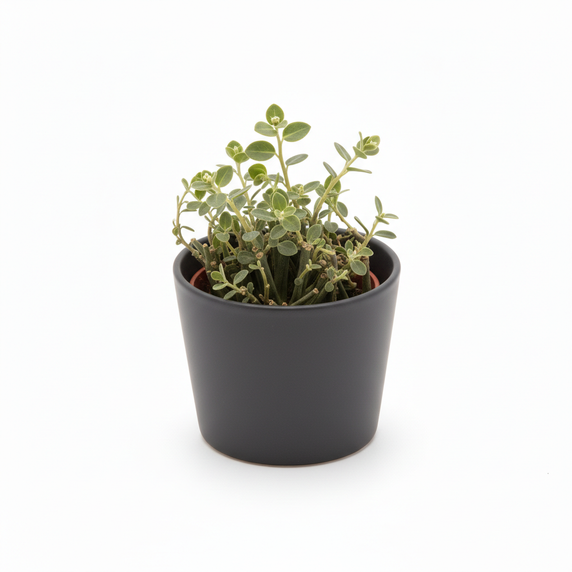
This plant is characterized by its long, "cane-like" stems and asymmetrical, wing-shaped leaves. The leaves are typically a deep glossy green, often adorned with metallic silver specks or spots on the upper surface and a deep burgundy or red color on the underside. It produces pendulous, waxy clusters of flowers usually in shades of pink or bright red.
5. Size & Dimensions
Indoors, Angel Wing Begonias typically reach a height of 1 to 3 feet (30–90 cm). In their natural habitat or ideal outdoor conditions, they can grow even taller, sometimes reaching up to 6 feet with proper support. The leaves generally grow 4 to 6 inches long.
6. Light Requirements
It prefers bright, indirect sunlight. Direct afternoon sun can scorch the leaves, while too little light will cause the plant to become leggy and prevent blooming. A spot near an east or west-facing window is usually ideal.
7. Watering Needs
Water when the top inch of the soil feels dry to the touch. It is important to maintain consistent moisture without allowing the plant to sit in water, which can lead to root rot. Water less frequently during the winter months.
8. Soil & Potting
Requires a well-draining, aerated potting mix. A combination of peat moss, perlite, and a small amount of pine bark is effective. They prefer being slightly "pot-bound," so only repot when roots are clearly crowding the container.
9. Temperature & Humidity
Ideally thrives in temperatures between 65°F and 75°F (18°C–24°C). It requires high humidity (50% or higher). Using a pebble tray or a humidifier is recommended; however, avoid misting the leaves directly as this can encourage fungal diseases like powdery mildew.
10. Fertilization
Use a balanced, water-soluble fertilizer diluted to half-strength every two to four weeks during the active growing season (spring and summer). Reduce fertilization to once every two months during autumn and winter.
11. Maintenance & Care Level
Care Level: Easy to Moderate. Maintenance involves regular "deadheading" (removing spent flowers) and pruning the cane tips to encourage bushier growth and prevent the plant from becoming too tall and sparse.
12. Growth & Propagation
It is a relatively fast-growing plant. Propagation is easily achieved through stem cuttings placed in either water or a moist potting medium. Cuttings should include at least two nodes for the best success rate.
13. Common Problems
Common issues include powdery mildew, leaf spot, and root rot if overwatered. Pests such as mealybugs, spider mites, and whiteflies can occasionally target the foliage. Dropping leaves may indicate sudden temperature shifts or drafts.
14. Benefits & Uses
Primarily used as an ornamental indoor plant for home and office décor. It is recognized for its air-purifying qualities, helping to filter common indoor toxins. Its unique leaf shape and consistent blooming make it a favorite for aesthetic placement in lobbies and living rooms.
15. Toxicity & Safety
The Angel Wing Begonia is toxic to pets (dogs, cats, and horses) if ingested. It contains soluble calcium oxalates, which can cause oral irritation, excessive drooling, vomiting, and difficulty swallowing. It is generally considered non-toxic to humans but may cause minor skin irritation in sensitive individuals.
Angel Wing Begonia
Transform your living space with the breathtaking Angel Wing Begonia! Its iconic, spotted leaves and clusters of delicate pink flowers create a stunning visual display. Not just a pretty face, this Begonia is incredibly easy to care for, making it the perfect companion for both new plant parents and seasoned collectors. It thrives in bright, indirect light and adds a touch of tropical elegance to any room. Order yours today and let its heavenly beauty lift your spirits!
1. Basic Identification
Common Name: Angel Wing Begonia, Cane Begonia
Botanical Name: Begonia coccinea
Arabic Name: بكونيا
Plant Variant: Standard
Plant Color: Multicolor (Green leaves with silver spots, pink/red flowers)
2. Taxonomy & Classification
Kingdom: Plantae
Order: Cucurbitales
Family: Begoniaceae
Genus: Begonia
Species: Begonia coccinea
3. Origin & Distribution
The Angel Wing Begonia is native to the Atlantic Forest regions of Brazil. It has been widely naturalized and cultivated across tropical and subtropical regions globally as a popular ornamental plant due to its striking foliage and flowers.
4. Visual Characteristics
This plant is characterized by its long, "cane-like" stems and asymmetrical, wing-shaped leaves. The leaves are typically a deep glossy green, often adorned with metallic silver specks or spots on the upper surface and a deep burgundy or red color on the underside. It produces pendulous, waxy clusters of flowers usually in shades of pink or bright red.
5. Size & Dimensions
Indoors, Angel Wing Begonias typically reach a height of 1 to 3 feet (30–90 cm). In their natural habitat or ideal outdoor conditions, they can grow even taller, sometimes reaching up to 6 feet with proper support. The leaves generally grow 4 to 6 inches long.
6. Light Requirements
It prefers bright, indirect sunlight. Direct afternoon sun can scorch the leaves, while too little light will cause the plant to become leggy and prevent blooming. A spot near an east or west-facing window is usually ideal.
7. Watering Needs
Water when the top inch of the soil feels dry to the touch. It is important to maintain consistent moisture without allowing the plant to sit in water, which can lead to root rot. Water less frequently during the winter months.
8. Soil & Potting
Requires a well-draining, aerated potting mix. A combination of peat moss, perlite, and a small amount of pine bark is effective. They prefer being slightly "pot-bound," so only repot when roots are clearly crowding the container.
9. Temperature & Humidity
Ideally thrives in temperatures between 65°F and 75°F (18°C–24°C). It requires high humidity (50% or higher). Using a pebble tray or a humidifier is recommended; however, avoid misting the leaves directly as this can encourage fungal diseases like powdery mildew.
10. Fertilization
Use a balanced, water-soluble fertilizer diluted to half-strength every two to four weeks during the active growing season (spring and summer). Reduce fertilization to once every two months during autumn and winter.
11. Maintenance & Care Level
Care Level: Easy to Moderate. Maintenance involves regular "deadheading" (removing spent flowers) and pruning the cane tips to encourage bushier growth and prevent the plant from becoming too tall and sparse.
12. Growth & Propagation
It is a relatively fast-growing plant. Propagation is easily achieved through stem cuttings placed in either water or a moist potting medium. Cuttings should include at least two nodes for the best success rate.
13. Common Problems
Common issues include powdery mildew, leaf spot, and root rot if overwatered. Pests such as mealybugs, spider mites, and whiteflies can occasionally target the foliage. Dropping leaves may indicate sudden temperature shifts or drafts.
14. Benefits & Uses
Primarily used as an ornamental indoor plant for home and office décor. It is recognized for its air-purifying qualities, helping to filter common indoor toxins. Its unique leaf shape and consistent blooming make it a favorite for aesthetic placement in lobbies and living rooms.
15. Toxicity & Safety
The Angel Wing Begonia is toxic to pets (dogs, cats, and horses) if ingested. It contains soluble calcium oxalates, which can cause oral irritation, excessive drooling, vomiting, and difficulty swallowing. It is generally considered non-toxic to humans but may cause minor skin irritation in sensitive individuals.