


Angel Wings Caladium 'Variegated'
Unleash a masterpiece of nature in your home with the Angel Wings Caladium. Each leaf is a stroke of genius, painted with dazzling patterns of color that command attention. Perfect for transforming any corner into a vibrant, tropical escape, this Caladium is more than a plant—it's living art. Elevate your decor and energize your space. Order yours today and watch the magic unfold!
1. Basic Identification
Common Name: Angel Wings, Caladium, Heart of Jesus
Botanical Name: Caladium bicolor
Arabic Name: اجنحة الملائكة
Plant Variant: Variegated
Plant Color: Multicolor
Country of Origin: Netherlands
2. Taxonomy & Classification
Kingdom: Plantae
Order: Alismatales
Family: Araceae
Genus: Caladium
Species: Caladium bicolor
3. Origin & Distribution
Caladium bicolor is native to Central and South America, particularly Brazil and the Amazon basin. It has been naturalized throughout tropical regions globally, including parts of India, Africa, and various islands in the Caribbean, where it thrives in warm, humid forest floors.
4. Visual Characteristics
Known for its stunning foliage, the Angel Wings Caladium features large, thin, heart-shaped or arrow-shaped leaves. The variegated patterns often consist of contrasting veins and margins in shades of pink, red, white, and deep green. The texture of the leaves is delicate and almost translucent, resembling paper or parchment.
5. Size & Dimensions
In indoor settings, Caladium bicolor typically grows to a height of 12 to 30 inches (30–75 cm) and a spread of 12 to 24 inches (30–60 cm). The size of individual leaves can range from 6 to 18 inches depending on the maturity of the tuber and environmental conditions.
6. Light Requirements
This plant thrives in bright, indirect light. While it needs plenty of light to maintain its vibrant variegation, direct sunlight should be avoided as it can easily scorch the thin, delicate leaves. In low-light conditions, the colors may fade and growth may become leggy.
7. Watering Needs
Caladiums prefer consistently moist soil during their active growing season. Water the plant when the top inch of soil feels dry to the touch. Avoid letting the soil dry out completely, but ensure it is not waterlogged, as the tubers are susceptible to rot.
8. Soil & Potting
A well-draining, rich potting mix is essential. A blend of peat moss, perlite, and potting soil works well to retain moisture while providing adequate drainage. The soil should be slightly acidic, with a pH between 5.5 and 6.5.
9. Temperature & Humidity
Being a tropical plant, it requires warm temperatures between 65°F and 85°F (18°C–29°C). High humidity is crucial for leaf health; if indoor air is dry, use a humidifier or a pebble tray. Protect the plant from cold drafts and air conditioning vents.
10. Fertilization
Feed every 2–4 weeks during the spring and summer growing season with a balanced, water-soluble liquid fertilizer diluted to half strength. Do not fertilize during the winter dormancy period when the plant stops growing.
11. Maintenance & Care Level
Maintenance Level: Moderate to High. Caladiums require careful attention to humidity and watering. They also go through a natural dormancy period in winter, during which the foliage will die back and the tubers must be kept dry and stored in a cool place until spring.
12. Growth & Propagation
Caladiums grow from tubers. Propagation is most successful by dividing the tubers during the late winter or early spring before new growth begins. Each tuber piece must have at least one "eye" or growth point to successfully produce a new plant.
13. Common Problems
Common issues include leaf curling or browning edges due to low humidity, and yellowing leaves from overwatering. Pests such as aphids, spider mites, and whiteflies can occasionally target the foliage. Root or tuber rot is a frequent problem if the soil remains too wet.
14. Benefits & Uses
Primarily used as an ornamental plant for its striking visual appeal, it is excellent for home décor, offices, and bathrooms (provided there is enough light). It is also recognized for its air-purifying qualities, helping to filter toxins from the indoor environment.
15. Toxicity & Safety
Caladium bicolor is toxic to both humans and pets (cats and dogs). All parts of the plant contain calcium oxalate crystals, which cause immediate irritation of the mouth, throat, and digestive tract if ingested. Keep out of reach of children and animals.
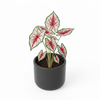
Angel Wings Caladium 'Variegated'

Unleash a masterpiece of nature in your home with the Angel Wings Caladium. Each leaf is a stroke of genius, painted with dazzling patterns of color that command attention. Perfect for transforming any corner into a vibrant, tropical escape, this Caladium is more than a plant—it's living art. Elevate your decor and energize your space. Order yours today and watch the magic unfold!
1. Basic Identification
Common Name: Angel Wings, Caladium, Heart of Jesus
Botanical Name: Caladium bicolor
Arabic Name: اجنحة الملائكة
Plant Variant: Variegated
Plant Color: Multicolor
Country of Origin: Netherlands
2. Taxonomy & Classification
Kingdom: Plantae
Order: Alismatales
Family: Araceae
Genus: Caladium
Species: Caladium bicolor
3. Origin & Distribution
Caladium bicolor is native to Central and South America, particularly Brazil and the Amazon basin. It has been naturalized throughout tropical regions globally, including parts of India, Africa, and various islands in the Caribbean, where it thrives in warm, humid forest floors.
4. Visual Characteristics
Known for its stunning foliage, the Angel Wings Caladium features large, thin, heart-shaped or arrow-shaped leaves. The variegated patterns often consist of contrasting veins and margins in shades of pink, red, white, and deep green. The texture of the leaves is delicate and almost translucent, resembling paper or parchment.
5. Size & Dimensions
In indoor settings, Caladium bicolor typically grows to a height of 12 to 30 inches (30–75 cm) and a spread of 12 to 24 inches (30–60 cm). The size of individual leaves can range from 6 to 18 inches depending on the maturity of the tuber and environmental conditions.
6. Light Requirements
This plant thrives in bright, indirect light. While it needs plenty of light to maintain its vibrant variegation, direct sunlight should be avoided as it can easily scorch the thin, delicate leaves. In low-light conditions, the colors may fade and growth may become leggy.
7. Watering Needs
Caladiums prefer consistently moist soil during their active growing season. Water the plant when the top inch of soil feels dry to the touch. Avoid letting the soil dry out completely, but ensure it is not waterlogged, as the tubers are susceptible to rot.
8. Soil & Potting
A well-draining, rich potting mix is essential. A blend of peat moss, perlite, and potting soil works well to retain moisture while providing adequate drainage. The soil should be slightly acidic, with a pH between 5.5 and 6.5.
9. Temperature & Humidity
Being a tropical plant, it requires warm temperatures between 65°F and 85°F (18°C–29°C). High humidity is crucial for leaf health; if indoor air is dry, use a humidifier or a pebble tray. Protect the plant from cold drafts and air conditioning vents.
10. Fertilization
Feed every 2–4 weeks during the spring and summer growing season with a balanced, water-soluble liquid fertilizer diluted to half strength. Do not fertilize during the winter dormancy period when the plant stops growing.
11. Maintenance & Care Level
Maintenance Level: Moderate to High. Caladiums require careful attention to humidity and watering. They also go through a natural dormancy period in winter, during which the foliage will die back and the tubers must be kept dry and stored in a cool place until spring.
12. Growth & Propagation
Caladiums grow from tubers. Propagation is most successful by dividing the tubers during the late winter or early spring before new growth begins. Each tuber piece must have at least one "eye" or growth point to successfully produce a new plant.
13. Common Problems
Common issues include leaf curling or browning edges due to low humidity, and yellowing leaves from overwatering. Pests such as aphids, spider mites, and whiteflies can occasionally target the foliage. Root or tuber rot is a frequent problem if the soil remains too wet.
14. Benefits & Uses
Primarily used as an ornamental plant for its striking visual appeal, it is excellent for home décor, offices, and bathrooms (provided there is enough light). It is also recognized for its air-purifying qualities, helping to filter toxins from the indoor environment.
15. Toxicity & Safety
Caladium bicolor is toxic to both humans and pets (cats and dogs). All parts of the plant contain calcium oxalate crystals, which cause immediate irritation of the mouth, throat, and digestive tract if ingested. Keep out of reach of children and animals.