


New





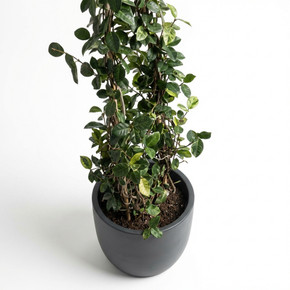
Immerse your senses in the captivating perfume of the Arabian Jasmine, the legendary 'Razqi'. Each delicate white blossom releases a wave of sweet fragrance, transforming your home into a tranquil oasis. Perfect for a sunny window, this vining beauty not only offers year-round visual appeal with its glossy green leaves but also provides the natural, mood-lifting benefits of aromatherapy. Easy to care for and safe for pets, the Arabian Jasmine is more than a plant—it's an experience.
Common Name: Arabian Jasmine, Razqi, Sambac Jasmine
Botanical Name: Jasminum sambac
Arabic Name: رازقي
Plant Variant: Standard
Plant Color: Natural / Green foliage with White flowers
Plant Country: Netherlands
Kingdom: Plantae
Order: Lamiales
Family: Oleaceae
Genus: Jasminum
Species: Jasminum sambac
Jasminum sambac is native to Southeast Asia, specifically across India, Myanmar, and Sri Lanka. It has been cultivated for centuries across the tropical world and is the national flower of the Philippines (known as Sampaguita) and Indonesia (Melati putih).
The Arabian Jasmine is an evergreen shrub or scrambling vine. It features glossy, dark green, ovate leaves that grow in opposite pairs or whorls of three. The highlights are the waxy, snow-white flowers that grow in small clusters. These blooms often fade to a pinkish-purple hue as they age and are intensely fragrant, particularly at night.
In a container, it usually reaches a height of 0.5 to 1 meter (1.6 to 3.3 feet). When allowed to climb or grown outdoors in optimal conditions, it can reach up to 3 meters (10 feet) in height with a similar spread.
Arabian Jasmine thrives in bright light. It prefers at least 6 hours of full sun to partial shade daily. If grown indoors, it should be placed near a south or west-facing window to ensure maximum light for blooming.
The plant enjoys consistently moist soil but should never be waterlogged. Water when the top inch of soil feels dry to the touch. During the winter months, reduce watering frequency slightly as the plant's growth slows down.
Use a well-draining, rich potting mix. A blend of peat moss, perlite, and organic compost is ideal. It prefers a slightly acidic to neutral soil pH (6.0 to 7.0).
As a tropical plant, it loves warm temperatures ranging from 15°C to 32°C (60°F - 90°F). It is sensitive to frost and should be brought indoors if temperatures drop below 10°C. It appreciates high humidity; misting the leaves or using a humidity tray is beneficial in dry indoor environments.
Feed with a balanced, water-soluble fertilizer every two weeks during the growing season (spring and summer). A fertilizer higher in phosphorus can help encourage more frequent and larger blooms.
Maintenance is moderate. Regular pruning is necessary to maintain the desired shape and encourage new growth, as flowers typically bloom on new wood. Remove spent blooms (deadheading) to promote continuous flowering.
Growth is moderate to fast during the warm season. Propagation is most successful via semi-hardwood stem cuttings taken in the summer. These can be rooted in water or directly in moist soil with the help of rooting hormone.
Watch for common pests such as spider mites, aphids, and mealybugs, especially in dry indoor conditions. Yellowing leaves can indicate overwatering or a lack of iron (chlorosis). Lack of blooms is usually due to insufficient light.
Primarily used as an ornamental plant for its unmatched fragrance and beautiful flowers. It is widely used in aromatherapy for its mood-lifting and relaxing properties. The flowers are also the primary ingredient in Jasmine tea and are used in garlands and religious offerings in many cultures.
Jasminum sambac is considered non-toxic to humans, cats, dogs, and horses. It is a safe choice for households with pets and children.
Immerse your senses in the captivating perfume of the Arabian Jasmine, the legendary 'Razqi'. Each delicate white blossom releases a wave of sweet fragrance, transforming your home into a tranquil oasis. Perfect for a sunny window, this vining beauty not only offers year-round visual appeal with its glossy green leaves but also provides the natural, mood-lifting benefits of aromatherapy. Easy to care for and safe for pets, the Arabian Jasmine is more than a plant—it's an experience.
Common Name: Arabian Jasmine, Razqi, Sambac Jasmine
Botanical Name: Jasminum sambac
Arabic Name: رازقي
Plant Variant: Standard
Plant Color: Natural / Green foliage with White flowers
Plant Country: Netherlands
Kingdom: Plantae
Order: Lamiales
Family: Oleaceae
Genus: Jasminum
Species: Jasminum sambac
Jasminum sambac is native to Southeast Asia, specifically across India, Myanmar, and Sri Lanka. It has been cultivated for centuries across the tropical world and is the national flower of the Philippines (known as Sampaguita) and Indonesia (Melati putih).
The Arabian Jasmine is an evergreen shrub or scrambling vine. It features glossy, dark green, ovate leaves that grow in opposite pairs or whorls of three. The highlights are the waxy, snow-white flowers that grow in small clusters. These blooms often fade to a pinkish-purple hue as they age and are intensely fragrant, particularly at night.
In a container, it usually reaches a height of 0.5 to 1 meter (1.6 to 3.3 feet). When allowed to climb or grown outdoors in optimal conditions, it can reach up to 3 meters (10 feet) in height with a similar spread.
Arabian Jasmine thrives in bright light. It prefers at least 6 hours of full sun to partial shade daily. If grown indoors, it should be placed near a south or west-facing window to ensure maximum light for blooming.
The plant enjoys consistently moist soil but should never be waterlogged. Water when the top inch of soil feels dry to the touch. During the winter months, reduce watering frequency slightly as the plant's growth slows down.
Use a well-draining, rich potting mix. A blend of peat moss, perlite, and organic compost is ideal. It prefers a slightly acidic to neutral soil pH (6.0 to 7.0).
As a tropical plant, it loves warm temperatures ranging from 15°C to 32°C (60°F - 90°F). It is sensitive to frost and should be brought indoors if temperatures drop below 10°C. It appreciates high humidity; misting the leaves or using a humidity tray is beneficial in dry indoor environments.
Feed with a balanced, water-soluble fertilizer every two weeks during the growing season (spring and summer). A fertilizer higher in phosphorus can help encourage more frequent and larger blooms.
Maintenance is moderate. Regular pruning is necessary to maintain the desired shape and encourage new growth, as flowers typically bloom on new wood. Remove spent blooms (deadheading) to promote continuous flowering.
Growth is moderate to fast during the warm season. Propagation is most successful via semi-hardwood stem cuttings taken in the summer. These can be rooted in water or directly in moist soil with the help of rooting hormone.
Watch for common pests such as spider mites, aphids, and mealybugs, especially in dry indoor conditions. Yellowing leaves can indicate overwatering or a lack of iron (chlorosis). Lack of blooms is usually due to insufficient light.
Primarily used as an ornamental plant for its unmatched fragrance and beautiful flowers. It is widely used in aromatherapy for its mood-lifting and relaxing properties. The flowers are also the primary ingredient in Jasmine tea and are used in garlands and religious offerings in many cultures.
Jasminum sambac is considered non-toxic to humans, cats, dogs, and horses. It is a safe choice for households with pets and children.

Take 20% off your first order
Enter the code below at checkout to get 20% off your first order