

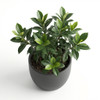

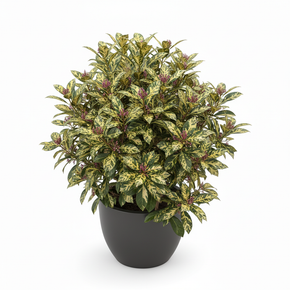
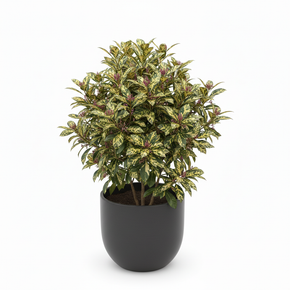



Bring timeless Mediterranean style to your space with Bay Laurel—lush evergreen leaves, a clean architectural look, and that unmistakable bay-leaf aroma. Perfect in a container by the entrance, on a sunny balcony, or in a bright living room, it stays elegant all year and takes pruning beautifully. Grow it for décor, for fragrance, and for fresh leaves you can harvest whenever you cook.
Common Name: Bay Laurel
Botanical Name: Laurus nobilis
Variant: Standard
Color: Natural
Country: Iraq
Arabic Name: كاردنيا
Stems: 6
Kingdom: Plantae
Order: Laurales
Family: Lauraceae
Genus: Laurus
Species: Laurus nobilis
Bay Laurel is native to the Mediterranean region and Southern Europe. It has been cultivated since ancient times and is now distributed worldwide in temperate and subtropical climates for ornamental and culinary purposes.
This evergreen plant features leathery, glossy, dark-green leaves that are oval-shaped and highly aromatic. When grown as a standard, it typically has a clear straight trunk topped with a dense, rounded canopy of foliage.
In a container and pruned as a standard, it is typically maintained at a height of 120–180 cm. If left unpruned in the ground, it can eventually reach heights of 7–12 meters as a large shrub or tree.
Thrives in full sun to bright, indirect light. While it can tolerate partial shade, plenty of light is necessary to maintain its dense foliage and prevent it from becoming leggy.
Water moderately. Allow the top 2-3 cm of soil to dry out before watering again. It is sensitive to overwatering; ensure the pot has excellent drainage to avoid root rot.
Requires a well-draining potting mix. A combination of peat-based soil with added perlite or horticultural grit works best. It prefers slightly acidic to neutral soil pH.
Bay Laurel is quite hardy. It prefers temperatures between 10°C and 25°C but can tolerate light frost once established. It thrives in average household humidity but enjoys occasional misting in dry environments.
Feed with a balanced, all-purpose liquid fertilizer every 4 weeks during the active growing season (spring and summer). Avoid fertilizing in late autumn and winter.
Low maintenance. The primary care requirement is regular pruning to maintain its architectural shape. Remove any crossing or dead branches to encourage healthy airflow.
A slow-growing plant. It can be propagated via semi-ripe cuttings taken in late summer or by seed, though seeds can take several months to germinate.
Watch for scale insects and aphids on the undersides of leaves. Overwatering can lead to yellowing leaves or root rot. Leaf spots may occur in overly humid, stagnant conditions.
Used widely as an ornamental topiary in formal gardens and entrances. The leaves are a staple culinary herb used for flavoring soups and stews. It is also valued for its air-freshening aroma.
Safe for human handling and the leaves are edible (though they should be removed before serving as they remain stiff). However, it is toxic to dogs, cats, and horses if ingested, potentially causing digestive upset.
Bring timeless Mediterranean style to your space with Bay Laurel—lush evergreen leaves, a clean architectural look, and that unmistakable bay-leaf aroma. Perfect in a container by the entrance, on a sunny balcony, or in a bright living room, it stays elegant all year and takes pruning beautifully. Grow it for décor, for fragrance, and for fresh leaves you can harvest whenever you cook.
Common Name: Bay Laurel
Botanical Name: Laurus nobilis
Variant: Standard
Color: Natural
Country: Iraq
Arabic Name: كاردنيا
Stems: 6
Kingdom: Plantae
Order: Laurales
Family: Lauraceae
Genus: Laurus
Species: Laurus nobilis
Bay Laurel is native to the Mediterranean region and Southern Europe. It has been cultivated since ancient times and is now distributed worldwide in temperate and subtropical climates for ornamental and culinary purposes.
This evergreen plant features leathery, glossy, dark-green leaves that are oval-shaped and highly aromatic. When grown as a standard, it typically has a clear straight trunk topped with a dense, rounded canopy of foliage.
In a container and pruned as a standard, it is typically maintained at a height of 120–180 cm. If left unpruned in the ground, it can eventually reach heights of 7–12 meters as a large shrub or tree.
Thrives in full sun to bright, indirect light. While it can tolerate partial shade, plenty of light is necessary to maintain its dense foliage and prevent it from becoming leggy.
Water moderately. Allow the top 2-3 cm of soil to dry out before watering again. It is sensitive to overwatering; ensure the pot has excellent drainage to avoid root rot.
Requires a well-draining potting mix. A combination of peat-based soil with added perlite or horticultural grit works best. It prefers slightly acidic to neutral soil pH.
Bay Laurel is quite hardy. It prefers temperatures between 10°C and 25°C but can tolerate light frost once established. It thrives in average household humidity but enjoys occasional misting in dry environments.
Feed with a balanced, all-purpose liquid fertilizer every 4 weeks during the active growing season (spring and summer). Avoid fertilizing in late autumn and winter.
Low maintenance. The primary care requirement is regular pruning to maintain its architectural shape. Remove any crossing or dead branches to encourage healthy airflow.
A slow-growing plant. It can be propagated via semi-ripe cuttings taken in late summer or by seed, though seeds can take several months to germinate.
Watch for scale insects and aphids on the undersides of leaves. Overwatering can lead to yellowing leaves or root rot. Leaf spots may occur in overly humid, stagnant conditions.
Used widely as an ornamental topiary in formal gardens and entrances. The leaves are a staple culinary herb used for flavoring soups and stews. It is also valued for its air-freshening aroma.
Safe for human handling and the leaves are edible (though they should be removed before serving as they remain stiff). However, it is toxic to dogs, cats, and horses if ingested, potentially causing digestive upset.


Take 20% off your first order
Enter the code below at checkout to get 20% off your first order