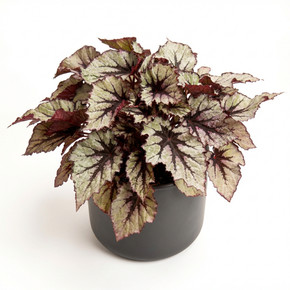
The Sellum (Thaumatophyllum bipinnatifidum) is a stunning tropical centerpiece known for its large, deeply lobed leaves that fan out to create a lush, exotic atmosphere. With its impressive size and air-purifying qualities, it is the perfect choice for anyone looking to make a bold statement in their home or office. This hardy plant is remarkably resilient, adapting well to indoor environments while providing a dramatic, jungle-like aesthetic.
Common Name: Sellum, Tree Philodendron, Lace Tree Philodendron
Botanical Name: Thaumatophyllum bipinnatifidum
Plant Variant: Not available
Plant Color: Dark Green
Plant Country: Brazil, Argentina, Paraguay, Bolivia
Arabic Name: سيلوم
Stems: Thick, semi-woody trunk with prominent leaf scars
Family: Araceae
Location: Indoor
Thaumatophyllum bipinnatifidum belongs to the family Araceae. For many years, it was classified under the genus Philodendron (as Philodendron bipinnatifidum or Philodendron selloum), but DNA analysis in 2018 led to its reclassification into the resurrected genus Thaumatophyllum.
The Sellum is native to the tropical regions of South America, specifically southeastern Brazil, northern Argentina, Paraguay, and eastern Bolivia. It thrives in humid, subtropical environments but has been naturalized in many warm climates globally.
This plant is characterized by its massive, leathery, dark green leaves that are deeply incised and lobed (pinnatifid). As the plant matures, it develops a thick, trunk-like stem marked by circular "eye" scars where old leaves have dropped, giving it a tree-like appearance.
Indoors, the Sellum can grow to 5–8 feet tall and nearly as wide. The individual leaves themselves can reach lengths of 2–3 feet. It is a spreading plant that requires significant horizontal space to flourish.
It prefers bright, indirect light to maintain its lush appearance. While it can tolerate medium light, its growth will slow and the leaves may not develop as deep of a lobed structure. Avoid direct, harsh afternoon sun which can scorch the foliage.
The Sellum enjoys consistent moisture. Water the plant when the top inch of soil feels dry to the touch. Ensure excellent drainage to prevent the roots from sitting in water, which can lead to decay. During winter, reduce watering frequency.
A well-draining, rich, peat-based potting mix is ideal. It prefers a slightly acidic to neutral pH. Because of its size and weight, a heavy, stable pot is recommended to prevent the plant from tipping over as it grows.
Thrives in temperatures between 65°F and 80°F (18°C–27°C). It is sensitive to frost and should be kept away from cold drafts. While it adapts to average home humidity, it prefers higher humidity levels common in tropical environments.
Feed with a balanced, water-soluble fertilizer diluted to half-strength once a month during the growing season (spring and summer). Do not fertilize during the fall and winter months when the plant's growth naturally slows.
The care level is considered easy to moderate. Maintenance involves wiping the large leaves with a damp cloth to remove dust and improve photosynthesis, as well as pruning away any yellowing or dead lower leaves to maintain a tidy appearance.
Sellum is a relatively fast grower in ideal conditions. Propagation is most successful through stem cuttings or by harvesting the seeds from the spadix, though stem cuttings are the most common method for home gardeners.
Common pests include spider mites, aphids, and mealybugs. Overwatering is the most frequent issue, leading to root rot and yellowing leaves. Brown leaf tips may indicate low humidity or the use of tap water with high chemical content.
The Sellum is a powerhouse for air purification, known for removing common indoor toxins like formaldehyde from the air. It is widely used in interior design as a "floor plant" to fill corners or serve as a focal point in spacious rooms.
The plant is toxic to both humans and pets if ingested. It contains calcium oxalate crystals, which cause immediate irritation, swelling of the mouth and throat, and digestive distress. The sap can also cause skin irritation in sensitive individuals.
The Sellum (Thaumatophyllum bipinnatifidum) is a stunning tropical centerpiece known for its large, deeply lobed leaves that fan out to create a lush, exotic atmosphere. With its impressive size and air-purifying qualities, it is the perfect choice for anyone looking to make a bold statement in their home or office. This hardy plant is remarkably resilient, adapting well to indoor environments while providing a dramatic, jungle-like aesthetic.
Common Name: Sellum, Tree Philodendron, Lace Tree Philodendron
Botanical Name: Thaumatophyllum bipinnatifidum
Plant Variant: Not available
Plant Color: Dark Green
Plant Country: Brazil, Argentina, Paraguay, Bolivia
Arabic Name: سيلوم
Stems: Thick, semi-woody trunk with prominent leaf scars
Family: Araceae
Location: Indoor
Thaumatophyllum bipinnatifidum belongs to the family Araceae. For many years, it was classified under the genus Philodendron (as Philodendron bipinnatifidum or Philodendron selloum), but DNA analysis in 2018 led to its reclassification into the resurrected genus Thaumatophyllum.
The Sellum is native to the tropical regions of South America, specifically southeastern Brazil, northern Argentina, Paraguay, and eastern Bolivia. It thrives in humid, subtropical environments but has been naturalized in many warm climates globally.
This plant is characterized by its massive, leathery, dark green leaves that are deeply incised and lobed (pinnatifid). As the plant matures, it develops a thick, trunk-like stem marked by circular "eye" scars where old leaves have dropped, giving it a tree-like appearance.
Indoors, the Sellum can grow to 5–8 feet tall and nearly as wide. The individual leaves themselves can reach lengths of 2–3 feet. It is a spreading plant that requires significant horizontal space to flourish.
It prefers bright, indirect light to maintain its lush appearance. While it can tolerate medium light, its growth will slow and the leaves may not develop as deep of a lobed structure. Avoid direct, harsh afternoon sun which can scorch the foliage.
The Sellum enjoys consistent moisture. Water the plant when the top inch of soil feels dry to the touch. Ensure excellent drainage to prevent the roots from sitting in water, which can lead to decay. During winter, reduce watering frequency.
A well-draining, rich, peat-based potting mix is ideal. It prefers a slightly acidic to neutral pH. Because of its size and weight, a heavy, stable pot is recommended to prevent the plant from tipping over as it grows.
Thrives in temperatures between 65°F and 80°F (18°C–27°C). It is sensitive to frost and should be kept away from cold drafts. While it adapts to average home humidity, it prefers higher humidity levels common in tropical environments.
Feed with a balanced, water-soluble fertilizer diluted to half-strength once a month during the growing season (spring and summer). Do not fertilize during the fall and winter months when the plant's growth naturally slows.
The care level is considered easy to moderate. Maintenance involves wiping the large leaves with a damp cloth to remove dust and improve photosynthesis, as well as pruning away any yellowing or dead lower leaves to maintain a tidy appearance.
Sellum is a relatively fast grower in ideal conditions. Propagation is most successful through stem cuttings or by harvesting the seeds from the spadix, though stem cuttings are the most common method for home gardeners.
Common pests include spider mites, aphids, and mealybugs. Overwatering is the most frequent issue, leading to root rot and yellowing leaves. Brown leaf tips may indicate low humidity or the use of tap water with high chemical content.
The Sellum is a powerhouse for air purification, known for removing common indoor toxins like formaldehyde from the air. It is widely used in interior design as a "floor plant" to fill corners or serve as a focal point in spacious rooms.
The plant is toxic to both humans and pets if ingested. It contains calcium oxalate crystals, which cause immediate irritation, swelling of the mouth and throat, and digestive distress. The sap can also cause skin irritation in sensitive individuals.
Take 20% off your first order
Enter the code below at checkout to get 20% off your first order