


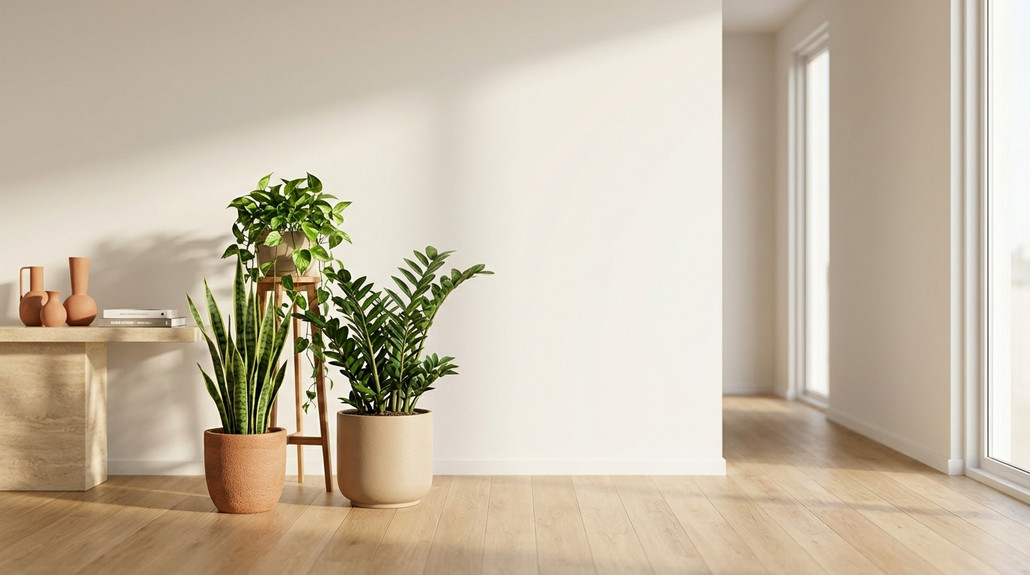
Best Indoor Plants for Offices in Hot Countries in Iraq Homes
Posted by Mozher Expoerts on 12.03.26
Navigating the Iraqi Home and Office Climate: Unique Challenges for Indoor Plants
For many in Iraq, the aspiration to fill their homes and offices with vibrant, lush indoor greenery is a deeply cherished one. We seek to bring a piece of serene nature indoors, creating a calming contrast to our often challenging external environment. Yet, this beautiful ambition frequently confronts a unique set of environmental realities that diverge significantly from generic indoor plant care advice found elsewhere in the world. Imagine a typical Iraqi summer day: outside, scorching temperatures consistently drive past 45°C. Indoors, the indispensable air conditioning unit, universally known as AC, or locally as Al-Sablat, hums continuously, providing essential refuge from the relentless heat and pervasive fine dust. While this comfort is vital for us, it paradoxically creates an artificially cool, yet exceptionally dry, indoor microclimate. This stark environmental divergence profoundly impacts the delicate physiology of our cherished indoor plants, often leading to a slow decline rather than the robust, thriving growth we aspire to. Many enthusiastic plant owners in Iraq, despite their best intentions, find their plants struggling with crispy leaf edges, stunted growth, or a general lack of vigor that seems to defy all conventional care advice. This disheartening scenario rarely stems from a lack of genuine care. Instead, it frequently arises from a fundamental misunderstanding of how Iraq’s distinct local environment truly shapes a plant’s physiological demands. Generic plant advice, typically crafted for more temperate, humid regions, simply won’t suffice here. As a senior indoor-plant specialist and horticulture educator with Mozher, I’ve observed firsthand what commonly goes wrong for plant owners in Iraq, from delivery stress to a deep misunderstanding of watering needs. This guide is designed to empower you with practical, climate-aware knowledge, enabling you to cultivate indoor plants that not only survive but genuinely flourish within the specific realities of your Iraqi home or office. You can always explore Mozher’s curated selection of indoor plants chosen for their resilience in our region.The Drying Grip of the AC (Al-Sablat) on Indoor Humidity
The Al-Sablat, an indispensable part of every Iraqi home and office, is often the silent adversary of our indoor plants. These units are engineered to actively pull moisture from the air, creating an exceptionally dry indoor atmosphere. While comfortable for us, most tropical indoor plants flourish in humidity levels of 40-60%. In continuously air-conditioned rooms, these levels often plummet below 30%. This relentless dry air aggressively draws moisture from plant leaves, frequently faster than roots can replenish it, leading to classic symptoms like crispy, brown leaf tips and edges. Direct blasts of cold, dry air from Al-Sablat vents further exacerbate this desiccating situation, causing rapid dehydration, leaf curling, and severe overall plant stress. It's not solely about the cool temperature; it's the constant, dehydrating wind that many house plants are simply not equipped to handle without thoughtful, strategic intervention. This phenomenon is locally understood as jafaf Al Jaw, or the "dry air effect."Fine Dust: A Silent Barrier to Photosynthesis
Beyond the dry air, the pervasive fine dust prevalent in Iraq can rapidly accumulate on house plant leaves, physically blocking vital stomata—tiny pores through which plants "breathe" and exchange gases. This physical barrier severely hinders efficient photosynthesis and overall plant health. Regular, gentle dusting of plant leaves with a soft, damp cloth every few weeks is crucial for optimal light absorption and proper airflow. Clean leaves can breathe and convert light into energy far more efficiently, thereby improving the plant's overall resilience and vitality.Understanding Light: Essential for Indoor Plants in Iraq
Light is the fundamental energy source for your house plants, fueling the intricate process of photosynthesis. However, in Iraqi homes and offices, the concept of "light" is far more nuanced than simply placing a plant near a window. The external sun is intensely powerful; even when diffused through glass, it can be overwhelmingly strong for many tropical indoor plant species. This harsh, direct light can easily scorch delicate leaves, leaving unsightly bleached or brown patches and making the plant appear stressed and unhealthy. Conversely, to combat the extreme heat, many modern apartments, homes, and offices feature heavy curtains or tinted windows, inadvertently creating dimly lit interiors where indoor plants struggle to photosynthesize efficiently. The key is finding the correct balance: providing "bright, indirect light" that energizes the plant without causing damage. This means strategically positioning your house plants to receive ample illumination without the scorching effects of harsh, direct sun rays, which often leads to healthier, more vibrant foliage.Direct vs. Indirect Light: A Critical Distinction in Iraq
In temperate climates, a "sunny window" might be ideal, but in Iraq, direct sun, even for a short period, can be detrimental to most house plants. Direct sunlight, especially during the intense midday hours, can quickly lead to leaf scorch, characterized by bleached, yellow, or brown patches on the foliage. These areas often become crispy and brittle. On the other hand, insufficient light can cause your plants to become "leggy," stretching excessively towards a light source with sparse, pale, and undersized leaves, indicating a struggle for energy. The goal is to replicate the dappled light of a tropical forest floor for many common indoor plants. This involves understanding your windows' orientations throughout the day and how light changes seasonally. For instance, a north-facing window might provide consistent, gentle indirect light, while a south-facing window will require careful diffusion or a greater distance from the light source. Learning to read your plant's signals regarding light is crucial. If your space is inherently dim, exploring low-light tolerant plants from Mozher can be a game-changer.Mastering Watering in Arid Environments: Beyond Just a Schedule
Incorrect watering is, without question, the leading cause of distress and eventual loss for indoor plants in Iraqi homes. The cool, dehumidified air produced by your Al-Sablat system fundamentally alters how quickly potting mix dries, creating a consistently deceptive scenario. This makes adhering to a rigid "watering schedule" often counterproductive, if not outright detrimental, to your house plants' health. The top inch or two of soil might feel bone dry, prompting many to believe the plant is parched. However, beneath this misleading surface, the sensitive root ball can remain saturated with water for days, or even weeks. This frequently leads to a common, yet fatal, mistake: well-meaning owners adding more water to already wet soil, effectively drowning the roots. Plant roots, like all living organisms, require oxygen to function properly, and when the vital air pockets in the soil are filled with stagnant water, the roots suffocate, leading to rot and decay. Therefore, a generic "water once a week" schedule is a recipe for disaster here. Successful watering frequency requires diligent observation of your plant's specific needs, not a calendar. Understanding this paradox is the first crucial step to mastering hydration for your indoor plants in this region.The Evaporation Equation: Pots, Soil, and Temperature in Al-Sablat Environments
The speed at which your plant's soil dries out is a complex equation involving several factors beyond just the frequency of your watering can. The type of pot plays a significant role: terracotta pots are porous and allow moisture to evaporate from their sides, leading to faster drying, while glazed ceramic or plastic pots retain moisture for longer. The potting mix itself is paramount. Dense, compacted soils retain too much moisture, suffocating roots, especially in cooler, Al-Sablat-controlled environments. A high-quality, airy mix with good drainage is essential. Furthermore, ambient room temperature and air circulation directly impact evaporation. While your Al-Sablat keeps the air cool, the very movement of air (airflow) can accelerate surface drying, yet deep down, the soil remains saturated. This "evaporation paradox" means you must always check the soil moisture deeply, rather than relying on surface cues. Choosing appropriate plant pots with ample drainage is a fundamental step to preventing watering issues. For precise moisture readings, a reliable moisture meter is an invaluable tool.Top Low-Light, Heat-Tolerant Indoor Plants for Iraq Homes and Offices
For those in Iraq seeking to infuse their apartments or workspaces with the beauty of indoor greenery without the burden of an exhausting care routine, selecting the appropriate species is paramount. The following plants represent some of the finest options that have consistently demonstrated their unwavering resilience within Iraq's distinctive climate. These choices are not just aesthetically pleasing but inherently robust, designed to withstand our unique conditions of high heat, the dry air from the Al-Sablat, and, often, limited natural light. This makes them ideal for beginners and busy individuals alike, thriving in office environments too. Mozher curates these varieties with utmost care, ensuring you receive healthy plants capable of flourishing with minimal intervention, contributing to truly vibrant living spaces.Snake Plant (Sansevieria trifasciata): The Indomitable Choice
Often affectionately referred to as Mother-in-Law's Tongue, the Snake Plant stands as the quintessential gold standard for exceptionally hardy indoor plants. Its distinctive, upright, sword-like leaves are not only aesthetically striking, imparting a modern, sculptural element to any room, but also function as incredibly efficient natural reservoirs, adept at storing water for extended durations. This remarkable biological capability allows the plant to thrive for weeks, or even months, without requiring frequent watering, rendering it virtually impervious to the dry air continuously generated by the Al-Sablat. It demonstrates exceptional versatility, flourishing equally well in dimly lit corners as it does in areas receiving bright, indirect light, thereby underscoring its extraordinary adaptability and inherent neglect-tolerant nature. Ironically, the most prevalent mistake made with the Snake Plant is overwatering, which can swiftly lead to root rot. Its needs are truly minimal, typically extending only to an occasional wipe-down of its leaves with a damp cloth to remove the pervasive fine dust characteristic of our region and to ensure optimal light absorption. This plant truly embodies the essence of a low-commitment solution, ideal for any bustling Iraqi lifestyle and an excellent beginner plant for both apartment and office environments, thanks to its very slow growth rate and high drought tolerance.ZZ Plant (Zamioculcas zamiifolia): Effortless Elegance for Dim Spaces
If your quest is for an indoor plant that is almost impossible to compromise, even under persistently challenging low light conditions, the ZZ Plant is your definitive answer. Its signature glossy, dark green leaves grow elegantly from substantial, potato-like rhizomes, cleverly concealed beneath the soil surface. These specialized rhizomes function as natural "water batteries," enabling the plant to endure remarkably long periods of drought with exceptional ease. This inherent resilience makes it an ideal choice for busy individuals, frequent travelers, or any office setting where watering frequency might be inconsistent. The ZZ Plant truly excels in low-light environments, making it a perfect candidate for deeper interior rooms or apartment corners where natural illumination is inherently limited. It remains completely unfazed by the dry airflow from Al-Sablat units, showing no visible signs of stress or discomfort. Its characteristically very slow growth rate means it will maintain its elegant, compact form without quickly outgrowing its designated space, consequently requiring minimal pruning or repotting for many years. For any Iraqi home or office demanding an enduring touch of stylish greenery, even in the dimmest conditions and through prolonged periods of inattention, this plant is a prime contender among the most robust and forgiving options.Pothos (Epipremnum aureum): The Communicative Climber That Forgives
Often endearingly referred to as "Devil's Ivy," the Pothos is an incredibly versatile and remarkably forgiving trailing plant. While it appreciates more consistent moisture compared to the Snake Plant or ZZ Plant, its most significant virtue lies in its unambiguous communication: its vibrant leaves will visibly begin to droop and appear slightly wilted when the plant is thirsty, providing an unmistakable signal that it requires attention. Crucially, it revives quickly and fully restores its turgor and vibrancy once thoroughly hydrated, effectively removing much of the guesswork from the watering process. This clear, responsive feedback mechanism makes it an excellent, beginner-friendly option. Pothos demonstrates impressive adaptability across a broad spectrum of light levels, ranging from dimly lit corners to bright, indirect light, and it copes commendably with the average dry indoor air found in Al-Sablat-cooled environments. Its relatively medium to fast growth rate offers dynamic greenery; it can be allowed to cascade elegantly from shelves, bookcases, or hanging planters, adding a sense of abundance and natural charm to any living space in Iraq with a minimal routine of care.Cast Iron Plant (Aspidistra elatior): The Unyielding Green Statement
True to its evocative name, the Cast Iron Plant is virtually indestructible, making it an ideal candidate even for the most challenging indoor conditions found in Iraq, particularly in apartments or offices with very limited light. It is famously tolerant of extremely low light levels, infrequent watering, and even prolonged periods of neglect, flourishing robustly where many other plants would simply give up. Its deep green, leathery leaves are highly resilient to the dry Al-Sablat air and the pervasive fine dust, requiring minimal attention beyond an occasional wipe to maintain their lustrous shine. Its characteristically very slow growth rate means it will maintain its elegant, upright form without needing frequent repotting or pruning for many years, truly making it a "set-it-and-forget-it" option. Furthermore, its non-toxic nature makes it a safe and worry-free choice for homes with pet-safe indoor plants or small children, which is an important consideration for many families. For those seeking a long-lasting, robust green presence in a particularly dark or overlooked corner within their home or office, the Cast Iron Plant is a superb choice, celebrated for its incredible hardiness and reliability in diverse and often less-than-ideal conditions, truly embodying the spirit of a neglect-tolerant plant.Spider Plant (Chlorophytum comosum): Air Purifier and Family Favorite
The Spider Plant maintains its classic, enduring status for excellent and well-founded reasons: it is remarkably easy to care for and famously produces charming small "spiderettes" that can be effortlessly propagated, thereby adding a delightful and interactive element to any home or office. Its impressive adaptability to various light levels, ranging from bright indirect to medium light, positions it as a flexible choice for different areas within an Iraqi space, though it typically flourishes best with consistent indirect light for optimal leaf coloration and vigor. While it does appreciate slightly higher humidity levels compared to some of the arid-adapted plants on this list, it tolerates the dry Iraqi indoor air reasonably well and is quite forgiving of an inconsistent watering schedule. Its medium growth rate makes it a manageable and appealing addition. In addition to its appealing aesthetic and ease of care, the Spider Plant is highly regarded for its air-purifying qualities, actively helping to remove common indoor toxins from the environment, thereby contributing to a healthier living space. Moreover, and of significant importance for many households, it is non-toxic to both pets and children, making it a fantastic choice for family-friendly homes looking for easy-care indoor plants in Iraq.What to Avoid: Plants That Will Struggle in Iraqi Conditions
While many plants can adapt, certain species are simply not suited for the typical Iraqi indoor environment, especially in apartments and offices with limited light and heavy Al-Sablat use, and will inevitably lead to frustration and disappointment. As a seasoned plant specialist, I advise steering clear of varieties known for their intense humidity demands or those that absolutely require consistently moist soil. These types will constantly struggle against the dry air generated by the Al-Sablat and the often slower evaporation rates in potting mixes, regardless of your best efforts. For example, delicate ferns (like Maidenhair Ferns) or prayer plants (from the Marantaceae family) will rapidly decline, exhibiting crispy brown edges and an overall stressed appearance. Similarly, plants that demand very bright, direct sun year-round, such as many citrus varieties or certain intensely flowering tropicals, will likely struggle to receive adequate light without scorching when placed near unfiltered windows. They will also tend to grow leggy and weak in the dimmer conditions common in many Iraqi apartments and offices. Choosing the right plant for your specific environment is paramount to long-term success and significantly reduces unnecessary plant loss and discouragement. Focus on selecting exceptionally hardy indoor plants known for their resilience.Comparison Table: Best Indoor Plants for Offices in Hot Countries in Iraq Homes
| Plant Name | Light Tolerance | Watering Forgiveness | Heat Tolerance | Growth Rate | Toxicity (Pet/Child Safe) | Best For... |
|---|---|---|---|---|---|---|
| Snake Plant (Sansevieria trifasciata) | Low to Bright Indirect | High (Tolerates drying out) | Very High | Very Slow | Mildly toxic (induces vomiting) | Beginners, busy owners, any room including offices, low-light corners |
| ZZ Plant (Zamioculcas zamiifolia) | Low to Medium Indirect | Very High (Drought tolerant) | Very High | Very Slow | Mildly toxic (irritant) | Extremely busy owners, dark corners, offices with minimal natural light |
| Pothos (Epipremnum aureum) | Low to Bright Indirect | Medium (Communicates thirst) | High | Medium to Fast | Mildly toxic (irritant) | Beginners, hanging baskets, shelves, areas with varied light |
| Cast Iron Plant (Aspidistra elatior) | Very Low to Medium Indirect | High (Tolerates drying out) | Very High | Very Slow | Non-toxic | Darkest corners, high-traffic areas where neglect is likely, pet-friendly homes |
| Spider Plant (Chlorophytum comosum) | Medium to Bright Indirect | Medium (Forgiving of missed waterings) | High | Medium | Non-toxic | Beginners, air purification, hanging plants, family homes |