


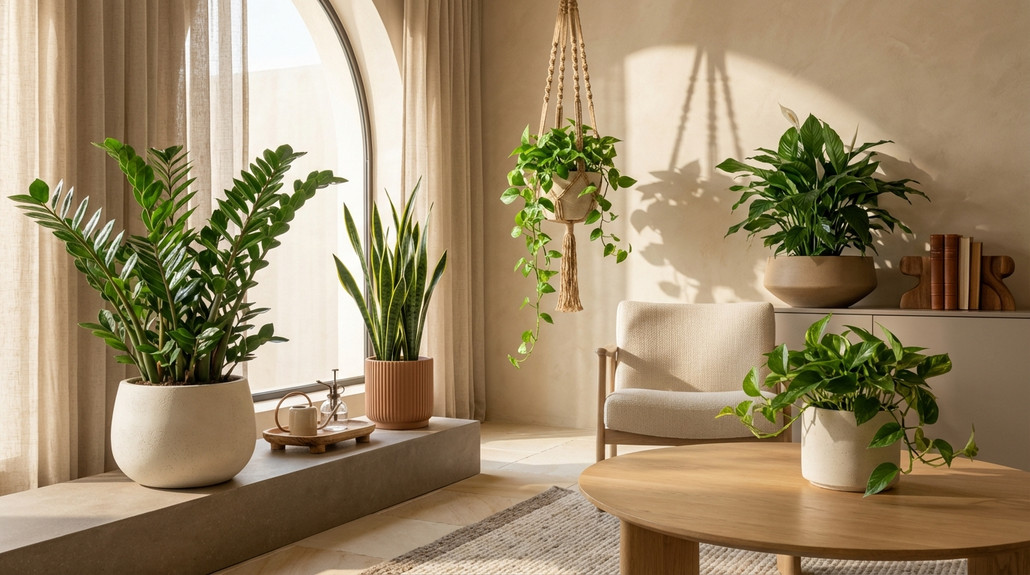
Best Indoor Plants That Survive Heat and AC in Saudi Arabia Homes
Posted by Mozher Experts on 24.02.26
Understanding the Indoor Climate Challenge in Saudi Arabia
Growing plants indoors in Saudi Arabia presents a unique set of challenges not found in more temperate climates. The primary obstacle is the constant battle between extreme external heat and powerful indoor air conditioning. While the AC provides a comfortable living environment for us, it creates an artificial, often difficult, climate for houseplants. The air becomes exceptionally dry, stripping moisture from both the soil and the leaves of the plants. This dry air can cause brown, crispy leaf edges and slow growth, even if you are watering correctly. Furthermore, plants placed directly in the path of an AC vent experience cold drafts that can shock their systems. The intense sunlight outside often means we keep curtains drawn, reducing the amount of natural light available indoors. Therefore, selecting the right plant is not just about aesthetics; it is about choosing a species that is genetically equipped to handle low humidity, tolerate a range of light conditions, and recover from occasional watering lapses. The most successful indoor plants in this region are those that are inherently resilient and adaptable. They must withstand the dry atmosphere created by constant AC usage and thrive without direct, scorching sunlight.
Key Traits of a Resilient Houseplant for Local Homes
When selecting a plant for a home in Saudi Arabia, specific characteristics indicate a higher chance of survival and success. The most important trait is drought tolerance. A plant that can withstand periods of dryness is better suited to the arid indoor air and is more forgiving if you forget to water it. These plants often have adaptations like thick, waxy leaves or extensive root systems (rhizomes) that store water. Another crucial factor is a plant's light requirement. Given the harshness of the direct sun, many homes are designed to minimize solar gain, resulting in lower indoor light levels. The best indoor plants for low-light conditions will not just survive but actively grow in bright, indirect light or even in rooms with less natural illumination. Avoid plants that require hours of direct sun, as they will struggle near a window that gets blasted by the afternoon heat. Finally, consider the plant's sensitivity to temperature changes and drafts. A resilient plant will not show immediate signs of stress if placed near a drafty area or if the AC temperature fluctuates. Plants native to arid or tough environments are generally better choices than delicate tropicals that demand constant high humidity and stable temperatures.
Top Choices for Durability and Aesthetics
Based on these criteria, several plants have proven to be exceptionally well-suited for the typical indoor environment in Saudi Arabia. These species are known for their hardiness and ability to maintain their beauty with minimal intervention. They offer a range of looks, from structural and modern to lush and trailing, ensuring there is an option for any interior design style.
Zamioculcas Zamiifolia (ZZ Plant)
The ZZ Plant is arguably the most resilient houseplant available. Its ability to thrive on neglect is legendary. It features wide, dark green, glossy leaves that reflect light, adding a touch of vibrant life to any corner. The plant's secret to survival lies in its large, potato-like rhizomes located beneath the soil. These rhizomes store water, allowing the plant to go for extended periods, sometimes weeks, without watering. It is perfectly happy in low-light conditions, making it ideal for interior rooms or offices with limited window access. The ZZ plant is also a slow grower, meaning it will not quickly outgrow its space or require frequent repotting. Its tolerance for dry air is exceptional, and it is largely untroubled by pests. Simply water it thoroughly when the soil has completely dried out and wipe the leaves occasionally to keep them dust-free.
Sansevieria Trifasciata (Snake Plant)
Also known as Mother-in-Law's Tongue, the Snake Plant is another champion of durability. Its stiff, upright leaves provide a strong architectural element to a room. There are many varieties, with different heights and leaf patterns, from dark green with yellow edges to silvery-green variegations. Like the ZZ Plant, Sansevieria is highly drought-tolerant and susceptible to root rot if overwatered. It is crucial to let the soil dry out completely between waterings. Snake plants are renowned for their air-purifying qualities and are extremely adaptable to various light levels, from low indirect light to brighter spots. They are not demanding and can handle the dry air from air conditioning without showing signs of stress. This makes them one of the best choices for beginners or anyone with a busy lifestyle.
Epipremnum Aureum (Pothos)
Pothos is a versatile and fast-growing vine known for its heart-shaped leaves, which can be green, variegated with white, or golden yellow. It is an excellent choice for hanging baskets or for placing on a shelf where its trailing vines can cascade down. Pothos is very communicative; it will visibly droop when it needs water and perks up quickly once hydrated. This makes it difficult to overwater. It thrives in a wide range of lighting conditions, from bright, indirect light to lower-light areas, although its variegation may be less pronounced in dimmer spots. It is highly tolerant of the dry indoor air and is very forgiving of inconsistent care. For a lush, green look that is easy to maintain, Pothos is an outstanding selection from our general collection of indoor plants.
Plants That Thrive with a Bit More Care
While the previously mentioned plants are nearly foolproof, some popular and beautiful houseplants can also succeed in Saudi Arabia with slightly more attention to their needs. These species may require more consistent watering or specific placement but reward the effort with their stunning foliage and presence. They are a good next step for plant owners who have gained confidence and are ready for a bit more of a challenge.
Spathiphyllum (Peace Lily)
The Peace Lily is beloved for its elegant white spathes that resemble flowers and its lush, dark green leaves. It is an excellent air purifier and brings a touch of tropical elegance to a space. Unlike the ultra-durable plants, the Peace Lily prefers to remain consistently moist, but not waterlogged. It will dramatically droop when thirsty, providing a clear visual cue that it is time to water. This plant prefers bright, indirect light and can even produce its signature blooms in lower light conditions. It is more sensitive to the dry air from AC, so it benefits from occasional misting or being placed near other plants to create a small pocket of humidity. It is also important to note that Peace Lilies are toxic if ingested, so they may not be the best choice for homes with curious pets or small children. For those concerned, we recommend browsing our curated list of non-toxic and pet-safe plants.
Dracaena Species
The Dracaena family includes many popular houseplants, such as the Dracaena Fragrans (Corn Plant) and Dracaena Marginata (Dragon Tree). These plants have a tree-like appearance with woody stems and crowns of arching, strap-like leaves. They are excellent for adding vertical height and a sense of structure to a room. Dracaenas are relatively drought-tolerant and prefer their soil to dry out between waterings. They do best in bright, indirect light but can adapt to lower light levels. One key consideration for Dracaena in our climate is their sensitivity to fluoride and other salts in tap water, which can cause brown leaf tips. Using filtered or distilled water can help keep their foliage looking pristine. They are generally robust and handle dry air well, making them a solid choice for a statement plant.
Critical Care Adjustments for AC-Cooled Homes
Keeping plants healthy indoors here requires adjusting standard care advice to account for the unique environment created by air conditioning. The most common mistake is overwatering. Because the air is so dry, the surface of the soil can appear dry quickly, but the soil deeper in the pot may still be wet. Constant surface watering leads to root rot, the number one killer of indoor plants. To avoid this, always check the soil moisture at least a few inches down before watering. A simple finger test works, but for larger pots, using a soil moisture meter provides an accurate reading and removes all guesswork. Another crucial step is to protect plants from direct AC drafts. The constant flow of cold, dry air will dehydrate and stress the plant. Position your plants where they receive the benefit of the cool room but are out of the direct line of fire from vents. Finally, combat the low humidity by grouping plants together, placing them on a pebble tray with water, or lightly misting them every few days. This creates a more humid micro-environment that helps prevent crispy leaf edges.
Plants to Approach with Caution in This Climate
While many plants can be adapted, some species consistently struggle in the dry, air-conditioned homes of Saudi Arabia. Ferns, such as the Boston Fern or Maidenhair Fern, are particularly difficult. They crave high humidity and will quickly develop brown, crispy fronds without constant moisture in the air. Calatheas and Marantas, while stunningly beautiful for their patterned foliage, are also humidity-lovers and are prone to brown edges and pest issues like spider mites when the air is too dry. Fleshy succulents and cacti, which seem like a natural fit for a desert climate, can also be tricky indoors. They require a significant amount of direct sunlight to thrive, which is often lacking in interior spaces. Without enough light, they tend to stretch out (etiolate) and become weak. While it is not impossible to grow these plants, they require dedicated care and are not recommended for beginners. Focusing on the more resilient options provides a much higher rate of success and enjoyment. For more guidance, review our comprehensive guides to plant care tailored for our region.
Frequently Asked Questions
How can I increase humidity for my plants without buying a humidifier?
There are several effective, low-cost methods. The easiest is to group your plants together. Plants naturally release moisture through a process called transpiration, so clustering them creates a small, humid microclimate. Another popular technique is to use a pebble tray. Simply fill a shallow tray with pebbles, add water until it is just below the top of the pebbles, and place your plant pot on top. The evaporating water will increase the humidity directly around the plant without making the soil soggy. Lastly, regular misting with a spray bottle can provide a temporary boost, especially for tropical-leaning plants.
Are flowering indoor plants difficult to grow here?
They can be more challenging but are not impossible. Species like the Peace Lily, Anthurium, and Orchid can bloom successfully indoors. The key is providing the right conditions. Most flowering plants require very bright, indirect light to produce blooms. They also may be more sensitive to watering schedules and appreciate slightly higher humidity. Success often comes down to choosing the right plant for your specific light conditions and being consistent with care, especially during their blooming season.
How do I know if my home has enough light for a specific plant?
Observe the light in your chosen spot throughout the day. "Bright, indirect light," the most common requirement, means a spot where the plant can see a wide view of the sky for several hours but is not in the direct, harsh sunbeams. An east-facing window is often ideal. "Low light" does not mean no light; it refers to a spot further from a window or in a north-facing room that receives no direct sun at all. If you can comfortably read a book in the area during the day without artificial light, it can likely support a low-light plant.