


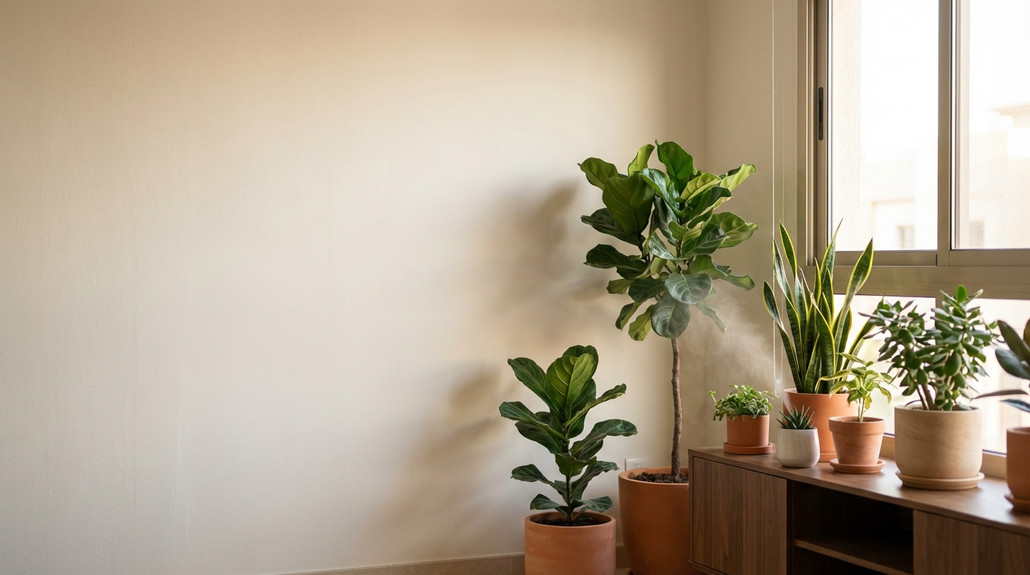
Common Indoor Plant Problems in Hot Homes in Saudi Arabia Homes
Posted by Mozher Expoerts on 10.03.26
The Silent Distress Signal: Why Your Indoor Plant Leaves Are Turning Yellow in Saudi Arabian Homes
Few things are as disheartening for a dedicated plant enthusiast as observing the once-vibrant green foliage of their cherished indoor plants slowly fade to a sickly yellow, or a robust leaf unexpectedly drooping. In the distinctive climate of Saudi Arabian homes, where outdoor temperatures frequently soar above 45°C and air conditioning (locally known as Al-Sablat) operates almost continuously, these common signs of plant distress can be particularly perplexing. The AC, while providing essential comfort, paradoxically creates an indoor microclimate that is both exceptionally cool and, critically, very dry. This sharp environmental contrast profoundly impacts the delicate physiology of our indoor plants, often leading to a gradual decline rather than robust, thriving growth.
Many passionate plant owners in Saudi Arabia, despite their best intentions, find their indoor plants struggling. This disheartening scenario rarely stems from a lack of genuine care. Instead, it often arises from a fundamental misunderstanding of how this unique local environment shapes a plant’s physiological demands. The relentless dehumidification by the AC actively strips moisture from the air, frequently reducing indoor humidity levels far below the ideal 40-60% range where most tropical indoor plants naturally thrive. This persistent dry air, coupled with potential cold drafts from AC vents, the pervasive fine dust that inevitably settles on foliage, and the inherent stress plants endure during delivery, all contribute to an unseen battleground for even the most resilient flora. Generic plant advice, typically crafted for more temperate, humid regions, simply will not suffice here. As a senior indoor-plant specialist and horticulture educator, and an editor at Mozher, I assure you that a struggling plant is not necessarily a lost cause; it’s often a quiet plea for attention, indicating a struggle to maintain its vitality. With calm, credible expertise, we will guide you through diagnosing the issue and implementing effective recovery steps, bringing your plant back from the brink. For a more comprehensive understanding of common issues, consult Mozher's comprehensive indoor plant problem-solving guide.
Decoding the Distress: Common Symptoms and Initial Diagnoses in AC-Cooled Homes
Your indoor plants communicate their needs and discomfort through a nuanced language of visual cues expressed in their foliage and growth habits. Learning to interpret these signals accurately is the most crucial step in effective problem resolution. Instead of resorting to guesswork, a systematic evaluation of the most common indicators of plant distress, particularly within the context of Saudi Arabia’s intense heat and AC-dominated interiors, will lead to more precise and successful interventions.
Yellow Leaves: Overwatering, Underwatering, or Nutrient Imbalance?
Yellowing leaves, technically known as chlorosis, represent arguably the most frequent and frustrating symptom encountered by indoor plant owners. The underlying cause, however, is rarely straightforward, especially when attempting to distinguish between the subtle, often contradictory, signs of overwatering and underwatering in our perpetually air-conditioned homes:
- Overwatering: The Silent Killer. If your plant's yellow leaves feel soft, limp, or mushy, and the potting soil remains consistently wet and heavy to the touch even days after watering, overwatering is almost certainly the culprit. The constant cool, dry air from the AC can significantly decelerate the rate of soil evaporation, creating a deceptively saturated root zone. Plant roots desperately require oxygen to function, and waterlogged soil literally suffocates them, initiating the destructive process of root rot.
- Underwatering: Thirsty Roots and Crispy Foliage. Conversely, if the yellowing leaves are dry, crispy, and brittle, and the soil is visibly bone-dry, hard, and pulling away from the sides of the pot, your plant is undoubtedly severely parched. In this scenario, the plant is sacrificing older leaves, typically starting from the bottom, to conserve precious moisture for newer growth. This is a common occurrence, particularly in AC-heavy environments where the air aggressively pulls moisture from both the plant and its potting medium at an accelerated rate. For an even more detailed examination of this common issue, please refer to our specific guide on why indoor plant leaves turn yellow.
- Nutrient Deficiencies: The Hidden Hunger. While less immediate than watering issues, a chronic lack of essential nutrients can also lead to yellowing foliage. Nitrogen deficiency commonly manifests as a uniform yellowing of older leaves, as the plant reallocates this mobile nutrient to new growth. Deficiencies in micronutrients like iron or magnesium often cause "interveinal chlorosis"—a distinct pattern where the tissue between the leaf veins turns yellow, while the veins themselves remain green, and usually affects newer leaves first.
Brown Tips and Edges: A Clear Sign of Low Humidity or Salt Buildup
The frequent appearance of crispy, brown tips or edges on otherwise healthy green leaves is a classic and almost universal indicator of persistently low atmospheric humidity. This is a pervasive challenge in Saudi Arabia due to the continuous operation of AC units, which are primarily designed to dehumidify the air. The constant stream of dry air aggressively draws moisture from the plant's leaves faster than its roots can possibly replenish it, leading to a relentless "جفاف الجو" (dry air effect). Direct blasts from AC vents can severely exacerbate this desiccating effect, causing rapid damage. Brown tips can also signal a buildup of mineral salts from local tap water within the soil, which hinders the plant's ability to absorb water effectively, even if ample water is present.
Drooping or Wilting: Thirsty or Drowning?
A plant that appears generally deflated, with its leaves noticeably drooping or sagging, is unequivocally in distress. The key to accurate diagnosis here lies in carefully assessing the soil moisture. If the soil is completely dry and compacted, the plant is suffering from severe underwatering and is parched, signaling an urgent need for hydration. If, however, the soil feels soggy and waterlogged, then wilting can indicate advanced root rot, as the damaged roots are no longer capable of absorbing water efficiently, even in a saturated environment. To avoid any guesswork and ensure precise watering decisions, a reliable moisture meter from Mozher is an invaluable tool for accurate assessment in these ambiguous situations.
Pests and Fungus Gnats: Uninvited Guests Causing Trouble
Minute sap-sucking insects such as spider mites, aphids, and mealybugs can rapidly drain a plant's vitality, leading to discolored, weakened, and yellowing foliage. Spider mites, in particular, flourish in the dry, AC-controlled conditions prevalent in Saudi Arabian homes, making them a frequent concern. Their presence is often subtly indicated by fine, almost invisible webbing on the undersides of leaves or tiny speckled spots. Fungus gnats, while generally not directly harmful to mature plants, are a clear and common sign of consistently wet topsoil conditions, which is a frequent precursor to root rot and a symptom of chronic overwatering.
Common Missteps to Avoid: The "Do Not Do" List in Saudi Homes
In the understandable and often urgent desire to rescue a struggling plant, it is surprisingly easy for even well-intentioned owners to commit errors that, while seemingly helpful, are ultimately detrimental. These common "panic reactions" frequently worsen the situation rather than improve it, significantly delaying any genuine recovery. Maintaining a calm and observant approach is crucial for implementing effective solutions, especially when dealing with indoor plants in a demanding climate like Saudi Arabia. Understanding these prevalent pitfalls is a fundamental aspect of successful indoor plant care, helping you avoid unnecessary setbacks.
- Ignoring the "Finger Test": Consistently relying on a fixed watering schedule instead of diligently checking the soil moisture deeply will almost invariably lead to either chronic overwatering or severe underwatering. This is particularly true in AC-dependent environments where soil drying rates can vary dramatically and deceptively.
- Forgetting Proper Drainage: Using decorative pots without adequate drainage holes, or allowing plants to sit in stagnant water collected in saucers, is a direct and swift route to root rot. Mozher always advocates for selecting well-draining pots to ensure optimal root health and prevent waterlogging.
- Over-Fertilizing a Struggling Plant: A plant that is visibly sick is very rarely hungry; it is unwell and already under significant stress. Adding more fertilizer to a compromised plant can chemically burn its roots, causing further damage that is often irreparable. Only fertilize healthy, actively growing plants during their active growth season, and always dilute the fertilizer to at least half of the recommended strength.
- Removing All Yellow Leaves at Once: While unsightly, yellowing leaves still contain some valuable residual nutrients that the plant can reabsorb to conserve precious energy during its recovery. Only remove them once they have turned completely brown, become crispy, or if they clearly exhibit signs of active disease or pest infestation that could spread.
- Frequent Relocation: Constantly moving a plant to drastically different conditions of light, temperature, or humidity will only amplify its stress and make it exceedingly difficult for it to acclimate. Once a suitable spot is found, strive to keep the plant there consistently, allowing it to adapt peacefully.
- Ignoring Dust on Leaves: The pervasive fine dust prevalent in the Saudi Arabian environment can quickly accumulate on plant leaves. This physical layer blocks vital stomata—the tiny pores through which plants "breathe" and exchange gases—thereby hindering efficient photosynthesis. Regular, gentle cleaning of leaves with a soft, damp cloth is crucial for maintaining proper airflow and overall plant health.
- Immediate Repotting of a Stressed Plant: Unless critical root rot is unequivocally present and demands immediate action, adding the significant stress of repotting to a plant already struggling with new environmental conditions or delivery shock can dramatically set back its recovery. It is always best to allow a new plant 1-2 weeks to acclimate peacefully to its new home before considering any major interventions like repotting.
Troubleshooting: Your Step-by-Step Recovery Plan for Saudi Homes
When you observe your plant showing signs of distress, the most effective approach is to remain calm and adopt a systematic, thoughtful plan. Avoid making hasty decisions that could inadvertently worsen the situation. Your primary focus should be on diligently identifying and addressing the fundamental underlying problem first. Always remember that genuine recovery for plants takes time, patience, and consistent, informed care. This section provides a practical, step-by-step guide to effective problem resolution specifically tailored for your indoor plants in Saudi Arabia.
Immediate Actions for a Struggling Plant
Upon noticing widespread yellowing leaves or other signs of distress, the very first crucial step is to isolate the affected plant if you suspect a pest infestation or disease. This preventative measure helps to contain any potential spread to your other healthy specimens. Following isolation, systematically and carefully check for the most common culprits:
- Assess Watering Deeply: Perform the "finger test" by inserting your finger approximately 5-7 centimeters (2-3 inches) deep into the soil. Is the soil bone dry and crumbly (indicating underwatering) or noticeably soggy and wet (indicating overwatering)? Immediately adjust your watering frequency and volume based on this assessment. This is frequently the most critical initial step for preventing further decline and addressing issues directly related to root health. Remember, yellow, soft, mushy leaves strongly suggest overwatering, whereas crispy yellow leaves are a clear sign of underwatering.
- Check Light Exposure: Evaluate your plant's current position. Is it receiving too much direct, harsh Saudi sun, which can lead to bleached, scorched, and yellowed leaves? Or is it in a dimly lit corner, causing it to stretch awkwardly and appear weak with pale yellow foliage? Relocate the plant as needed to a spot that consistently provides bright, indirect light, which is ideal for the vast majority of indoor plants. For areas with inherently limited natural illumination, selecting low-light tolerant plants is a wise choice.
- Inspect for Pests: Conduct a meticulous inspection of all parts of the plant, paying close attention to the undersides of leaves, stems, and any new growth. Look for any visible signs of tiny insects, sticky residues, or fine, almost invisible webbing (a characteristic sign of spider mites). If pests are detected, treat the plant immediately using appropriate and safe methods, such as insecticidal soap or neem oil. Early diagnosis and intervention significantly improve the chances of a quick and full recovery.
- Evaluate Humidity Levels: Are you observing crispy brown tips on the plant's leaves despite maintaining consistent and adequate watering? This frequently indicates insufficient ambient humidity, a pervasive issue in Saudi Arabian homes due to continuous AC use. Increase local humidity around the plant using methods such as pebble trays filled with water (with the crucial caveat that the pot does not sit directly in the water) or by grouping several plants together, with good airflow to prevent potential fungal issues.
Addressing Root Rot: The Silent Threat and Immediate Fixes
Root rot is a common and often fatal consequence of persistent overwatering, a problem particularly exacerbated in AC-cooled environments where potting soil dries out slowly and unevenly. Above-ground symptoms typically include widespread yellowing leaves (often soft, mushy, and wilting), severely stunted growth, and a general drooping appearance, even when the soil is visibly wet. The most definitive test for root rot involves gently unpotting the plant and carefully inspecting its roots. Healthy roots are typically firm, plump, and light-colored. Roots afflicted by rot, however, will appear black, brown, slimy, mushy, and may emit a distinctly foul odor. If severe root rot is identified, immediate and decisive intervention is absolutely required to save the plant:
- Gently remove the plant from its pot and carefully shake off as much of the old, saturated soil as possible. Discard this old soil entirely.
- Using clean, sterile scissors or pruning shears, meticulously trim away all black, mushy, or foul-smelling roots. Continue cutting back until only healthy, firm, and light-colored tissue remains.
- If feasible, gently wash the remaining healthy roots under lukewarm water to remove any lingering pathogens.
- Repot the plant into a fresh batch of quality potting mixes and care essentials with excellent drainage. Ideally, use a clean pot of the same size or slightly smaller than the original to prevent excess moisture retention. Always ensure the pot has adequate drainage holes.
- Water lightly after repotting to help settle the new soil, then allow the soil to dry out significantly before the next watering. Be extra vigilant and mindful with all future watering schedules.
- Temporarily reduce the plant's light exposure to minimize stress during this critical recovery timeline.
Reviving a Wilted Plant: Timely Intervention for Drooping Foliage
A plant that is wilted, with its leaves drooping but not yet crispy, may be suffering from either severe underwatering or, less commonly, extreme overwatering leading to root damage. The key to accurate diagnosis here is a thorough check of the soil moisture. If the soil is bone dry and compacted, the plant is undoubtedly thirsty and requires immediate hydration. If it feels soggy and waterlogged, then wilting can indicate advanced root rot, as the damaged roots are no longer able to absorb water efficiently (in which case, the steps outlined above for root rot should be followed). Addressing wilting promptly can prevent further irreversible decline:
- If the soil is extremely dry and compacted, implement bottom watering. Place the potted plant in a sink or basin filled with a few inches of lukewarm water. Allow it to soak for 30-60 minutes, or until the topsoil visibly appears damp. This method allows the soil to slowly rehydrate thoroughly from the bottom up.
- Alternatively, if the soil is only moderately dry, water slowly and thoroughly from the top, allowing water to drain freely from the bottom of the pot. Then, water again until the soil is fully saturated and damp.
- After completing any watering, promptly remove any excess water from the saucer to prevent stagnant waterlogging, which can quickly lead to new problems.
- Most plants suffering from underwatering will visibly perk up and regain their turgor within a few hours to a single day, offering a rapid and clear recovery path. Continue to monitor soil moisture regularly using a reliable moisture meter to avoid any recurrence of the issue.
Should the wilting be attributable to extreme heat exposure or persistent cold drafts (commonly from the AC), immediately relocate the plant to a more stable environment, well away from direct AC blasts or intense unfiltered sun. Provide consistent care, and allow the plant sufficient time to recover. While not all existing leaf damage may reverse or disappear, the emergence of new, healthy growth will ultimately signify a successful recovery.
Comparison Table: Diagnosing Common Indoor Plant Problems in Saudi Arabia
| Symptom | Likely Cause | Key Observation | Solution | Recovery Timeline |
|---|---|---|---|---|
| Yellow, soft, mushy leaves (often lower) | Overwatering, Root Rot | Soil consistently wet, heavy pot, possibly foul smell from roots. | Reduce watering frequency, check roots for rot and repot if needed. Ensure excellent drainage. | 2-4 weeks for new growth; damaged leaves won't recover. |
| Yellow, crispy, brittle leaves (often lower) | Underwatering | Soil bone dry, lightweight pot, leaves may be curling. | Water thoroughly until drainage occurs, then check regularly with a moisture meter. | A few hours to 1 day for revival; damaged leaves won't recover. |
| Yellowing/bleaching on new growth, brown crispy spots | Too much direct sun | Plant exposed to intense, unfiltered sun (e.g., south/west window). | Move to a spot with bright, indirect light; use sheer curtains to diffuse harsh light. | New growth appears healthy in 1-2 weeks. |
| Pale yellow, small leaves, leggy growth | Insufficient light | Plant in a very dim area, noticeably stretching towards a light source. | Relocate to a brighter spot; consider selecting low-light tolerant plants if the space is inherently dim. | New, healthier growth in 2-4 weeks. |
| Crispy brown tips/edges, otherwise green leaves | Low humidity (AC effect) or Salt Buildup | Dry indoor air, plant near AC vent, or white crust on soil surface. | Increase local humidity (pebble tray, grouping plants), move from drafts, flush soil to remove salts. | New growth appears healthier in 2-3 weeks; damaged tips won't recover. |
| Yellowing with tiny bugs, sticky residue, or fine webbing | Pests (spider mites, mealybugs, etc.) | Visible insects, mottled spots, or fine webbing on the leaves. | Isolate the plant, treat with insecticidal soap or neem oil. | 1-2 weeks for pest control, then 2-4 weeks for plant recovery. |
| Uniform yellowing of older leaves, stunted growth | Nutrient Deficiency (e.g., Nitrogen) | Long-term issue, typically new growth appears healthy for some time. | Fertilize sparingly with a balanced, diluted liquid fertilizer during active growth. | Improvement in new growth in 3-5 weeks. |
| Yellowing between veins, especially on new leaves | Micronutrient Deficiency (Iron, Magnesium) | Green veins with yellow tissue; can be related to water pH. | Use a chelated micronutrient supplement; check water quality and adjust if necessary. | Slow recovery; new growth appears improved in 4-6 weeks. |
Proactive Prevention: Cultivating Resilience in Your Saudi Home
The most effective defense against yellowing leaves and other common indoor plant problems is not reactive treatment, but a proactive, consistent care routine specifically tailored to the unique challenges of Saudi Arabian homes. By thoughtfully understanding and anticipating the prevailing environmental factors, you can significantly increase your chances of cultivating a flourishing green oasis with far fewer frustrations. Mozher's commitment to providing exceptionally hardy indoor plants means you're starting with resilient varieties, but your consistent, informed care truly makes all the difference in their long-term success.
Conscious Watering Practices: Less is Often More
Regularly perform the "finger test" to accurately gauge the deep moisture content of your soil. Only apply water when the top 5-7 cm (2-3 inches) of potting mix feels entirely dry to the touch. When you do water, do so deeply and thoroughly until you observe water flowing freely from the drainage holes in the bottom of the pot. Crucially, always empty any excess water from the saucer immediately to prevent stagnant waterlogging, which is a prime cause of root rot. Consider using filtered water or allowing tap water to sit for 24 hours before use, as this can help dissipate chlorine and reduce the accumulation of mineral salts — a common issue with local water quality in the region.
Optimizing Light Exposure: Harnessing Indirect Radiance
Strategically place your plants in locations that consistently receive bright, indirect light. This typically translates to a spot a few feet away from a very bright window, or behind sheer curtains that diffuse the intense Saudi sun. For most tropical indoor plants, it is imperative to avoid direct afternoon sunlight, which can easily scorch delicate foliage. Rotate your plants weekly by a quarter turn to ensure even light exposure across all sides, promoting balanced growth and preventing them from stretching awkwardly towards a single light source. If natural light is inherently limited in certain areas of your home, wisely selecting low-light tolerant plants is a sensible and rewarding choice.
Enhancing Humidity and Ensuring Good Airflow: Resisting the AC's Drying Grip
Actively counteracting the persistent dehumidifying effect of the AC is paramount for most indoor plants. Group humidity-loving plants together to create small local microclimates where their collective transpiration naturally increases ambient moisture. Utilize pebble trays filled with water (with the crucial caveat that the pot does not sit directly in the water) to gently and consistently increase local humidity around your plants. Most importantly, position all your indoor plants well away from the direct blasts of cold, dry air emanating from AC vents, as these powerful currents are severely dehydrating and can cause rapid damage. While good air circulation is beneficial for preventing fungal issues, harsh drafts are profoundly detrimental. Regular and gentle cleaning of the leaves of accumulated dust, a frequent occurrence in Saudi Arabia, also significantly improves airflow around the plant and enhances its photosynthetic efficiency.
Thoughtful Fertilization: Feeding When Needed, Not Just Because
Fertilize sparingly and only when your plants are actively exhibiting new growth, which typically occurs during the spring and summer months. Always use a balanced liquid fertilizer diluted to at least half of its recommended strength, and critically, ensure the plant's soil is thoroughly moist before applying any fertilizer to prevent chemical root burn. Avoid fertilizing plants that are stressed, newly acquired, or dormant (typically during the cooler, shorter days in autumn and winter). Regularly flush the soil with plain water every few months to actively leach out any accumulated mineral salts, a common problem exacerbated by both local tap water and insufficient watering practices. Mozher offers a range of quality potting mixes and care essentials to help ensure balanced nutrition.
Acclimating New Arrivals: Minimizing Delivery Stress
When you bring a new plant home from Mozher, gently unbox it and immediately place it in its designated, stable spot that provides bright, indirect light, well away from any direct AC blasts. Resist the common urge to immediately repot it or apply heavy fertilizer. Instead, allow a crucial period of 1-2 weeks for the plant to calmly acclimate to its new environmental conditions. Provide consistent, mindful care during this period, ensuring proper watering (checking with the finger test) and optimal light. This gentle introduction is vital for its long-term health and significantly reduces the impact of "delivery stress."
Establishing a Sustainable Routine: Year-Round Vibrancy for Your Saudi Home
The journey of successfully caring for indoor plants in your Saudi Arabian home is a continuous process of learning, observation, and thoughtful adaptation. It's not about rigidly adhering to a daily checklist, but rather about fostering a consistent rhythm of mindful observation and flexible responses to your plants' evolving needs. This adaptive approach significantly minimizes stress for both you and your plants, nurturing a flourishing indoor oasis year-round. It's all about proactive engagement and truly understanding the subtle cues your plants consistently provide.
Weekly Plant Checkpoints for Lasting Health
- Perform the Finger Test: Make it a consistent habit to check the soil moisture of all your plants weekly, but only water those that are genuinely dry 5-7 centimeters (2-3 inches) deep. This practice is essential for maintaining a healthy, responsive watering schedule precisely tailored to Saudi Arabian conditions, effectively avoiding the common pitfall of overwatering in AC environments.
- Rotate Plants: Give each plant a quarter turn weekly to ensure even light exposure and balanced growth, effectively preventing lopsided or stretched development towards a single light source.
- Dust Leaves: Gently wipe down any dusty leaves with a soft, damp cloth. This is particularly vital in Saudi Arabia’s often dusty environment to ensure efficient photosynthesis and proper airflow, contributing significantly to overall plant health. Clean leaves breathe and absorb light much better.
- Inspect for Pests: Briefly but thoroughly check the undersides of leaves, stems, and any new growth for any early signs of insects, sticky residues, or fine, almost invisible webbing (especially common with spider mites). Early detection is your absolute best defense against infestations that can quickly thrive in dry indoor air.
Monthly Deep Dives and Adjustments
- Assess Overall Growth: Take a moment for a broader assessment. Observe if your plants are producing new, healthy growth or if they are exhibiting any subtle signs of distress (such as continued yellowing, browning, or stunted development) despite your weekly care.
- Fertilize (if actively growing): Only fertilize healthy, actively growing plants during their active growth season (typically spring and summer in Saudi Arabia), using a diluted, balanced liquid fertilizer. Always water the plant first to prevent any chemical root burn.
- Flush Soil: Every few months, give your plants a thorough, deep watering to effectively flush out any accumulated mineral salts from the tap water, which can be high in our region. This helps prevent nutrient lock-out and salt burn, maintaining a healthier root environment.
- Check for Root Bound: Gently lift plants from their pots to visually inspect if the roots are circling tightly at the bottom or emerging from drainage holes. If they are, it might be an opportune time for repotting into a slightly larger container, using appropriate Mozher soil and plant care tools.
Frequently Asked Questions
How can I tell if yellowing leaves are from overwatering or underwatering in an AC-cooled Saudi Arabian environment?
This is a critical distinction in Saudi Arabia's climate, largely influenced by the AC (Al-Sablat). If the yellow leaves are soft, limp, and feel somewhat mushy, and the soil remains wet to the touch even days after watering, this strongly indicates overwatering, potentially leading to root rot. The cool air from the AC significantly slows water evaporation, trapping moisture around the roots. Conversely, if the yellow leaves are dry, crispy, and brittle, and the soil is bone-dry and visibly pulling away from the pot, it's a clear sign of underwatering. Always check the soil moisture deeply with your finger or using a reliable moisture meter before diagnosing the problem or adding more water. Understanding this key difference is paramount to providing the correct care for your indoor plants in Saudi Arabia. For more comprehensive guidance, you can refer to the Clemson University Home & Garden Information Center: Indoor Plant Care.
What are the common signs of low humidity stress for indoor plants in Saudi Arabia’s dry, AC environment?
Low humidity stress, common in Saudi Arabian homes due to the continuous use of the AC, typically manifests as crispy, brown tips and edges on otherwise green leaves, even when the potting soil is adequately moist. You might also observe leaves curling inward or developing a general droop as the plant actively tries to conserve moisture. Some plants, especially those with thinner or more delicate foliage, may also exhibit yellowing between the veins. If these symptoms are present, consider grouping your plants closer together to create a localized microclimate with slightly higher humidity or using pebble trays filled with water beneath the pots (with the crucial caveat that the pot bases do not sit directly in the standing water). Crucially, position your plants well away from direct blasts of cold, dry air from AC vents. You can also explore Mozher's collection of exceptionally hardy indoor plants that tend to adapt better to the dry conditions.
Are there any truly pet-safe indoor plants suitable for homes with children and pets in Saudi Arabia?
Yes, absolutely. For households that include curious pets or active small children, ensuring the safety of your plants is a top priority. Excellent low-maintenance and non-toxic options that thrive well in Saudi Arabian indoor conditions include the popular Spider Plant (Chlorophytum comosum) and the resilient Cast Iron Plant (Aspidistra elatior). While the Areca Palm is also generally considered pet-safe, it typically requires a bit more humidity, so it's advisable to keep it away from direct AC drafts. It is always a wise practice to thoroughly research any new plant before introducing it into your home. Mozher places a special emphasis on curating a selection of pet-safe indoor plants to ensure a harmonious and secure living environment for everyone in your family.
Can the quality of tap water in Saudi Arabia affect the health of my indoor plants?
Yes, unequivocally. Tap water in Saudi Arabia can frequently contain elevated levels of minerals, such as chlorine and fluoride, alongside other dissolved salts. Over time, these minerals and salts can accumulate in the potting soil. This buildup often leads to what is known as "salt burn," which can damage the delicate plant roots and impede their ability to absorb essential nutrients and moisture, leading to symptoms like crispy brown tips or a general yellowing of the foliage. To mitigate this, consider using filtered water or collected rainwater for your plants. Alternatively, allowing tap water to sit uncovered in a container for 24 hours before watering can help the chlorine dissipate. Regular, deep watering that allows water to freely flush through the drainage holes is also beneficial, as it helps to leach out excess salts from the soil, maintaining a healthier growing environment. For optimal root health and to prevent such issues, always ensure you are using quality potting mixes and care essentials. For more comprehensive advice on maintaining healthy plants, always consult credible horticulture sources such as the Missouri Botanical Garden: Houseplant Pests and Problems.