


How Indoor Plants Behave Differently in Hot Climates in Iraq Homes
Posted by Mozher Expoerts on 28.02.26
The Challenge of Indoor Gardening in Iraq: Balancing Extreme Heat and AC Environments
Stepping into a home in Iraq during the long, scorching summer months, the immediate relief of air conditioning, often referred to locally as the السبلت, is a welcome comfort. Yet, this very system, while indispensable for us, creates a unique and demanding paradox for our beloved indoor plants. The external environment pushes temperatures to extreme levels, while indoors, the continuous operation of the السبلت relentlessly strips humidity from the air. This creates an artificially arid microclimate that is far removed from the natural, humid conditions many popular tropical plant species naturally crave. It’s a constant dance between intense external heat and often excessively dry, cool internal air. Understanding this delicate balance is the first crucial step to cultivating thriving indoor plants in Iraq.
Beyond the fundamental climate paradox, plants in Iraq often face additional stressors. The journey from a nursery, where conditions are typically more controlled and humid, to a new home can induce what’s known as “delivery stress.” Furthermore, the pervasive fine dust (غبار) that settles on foliage can impede a plant's vital functions, and the mineral content in local tap water can also present challenges. Generic plant care advice, often tailored for more forgiving climates, simply falls short here. At Mozher, we recognize these specific environmental pressures and offer curated plants and climate-aware recommendations designed to thrive in these unique conditions. Our goal is to transform the frustration of struggling greenery into the joy of a flourishing indoor oasis, fostering healthier plants and minimizing losses. This guide will delve into the essential principles and practical solutions for successful indoor plant care in Iraq, ensuring your plants don't just survive, but truly thrive.
Decoding Light: More Than Just 'Bright' for Iraqi Homes
Light is the fundamental energy source for every plant, powering the photosynthesis that sustains its life and vibrant growth. In Iraqi homes, however, the concept of "light" is often far more nuanced than simply placing a plant near a window. The intense external sun, even when filtered through glass, can be overwhelmingly powerful for many tropical indoor plant species. This harsh light can easily scorch delicate leaves, leaving them with unsightly brown or bleached patches. Conversely, to combat the extreme heat, many modern homes feature heavy curtains or tinted windows, inadvertently creating dimly lit interiors where plants struggle to photosynthesize efficiently. The key is finding the right balance: providing "bright, indirect light" that energizes the plant without causing harm. This means positioning plants to receive ample illumination without the scorching effects of direct, harsh sun rays.
Understanding Light Intensity in Your Living Space
To provide optimal light, observe how sunlight moves through your rooms throughout the day. A window facing south or west might offer intense direct light for several hours, which is often too strong for many indoor plants not specifically adapted to such conditions. These sun-drenched areas are typically best reserved for cacti and succulents. East-facing windows usually provide softer morning sun, which is generally gentle enough for most plants, while north-facing windows offer consistent, indirect light throughout the day. For the majority of foliage plants, a spot a few feet away from a bright window, or near a window with sheer curtains, often provides the ideal "bright indirect light." If your space is naturally dim, attempting to force a sun-loving plant to adapt will likely lead to leggy, stretched-out growth and pale, yellowing leaves. Instead, for such areas, selecting plants for low-light conditions becomes invaluable, ensuring your plant receives precisely what it needs without suffering from either overexposure or insufficient energy. Remember that a plant’s specific light needs are tied to its species and can even change with the seasons, requiring subtle adjustments to its placement.
Recognizing the Signals: Too Much or Too Little Light
Your plants will communicate their light needs through their foliage. Too much light often results in leaves that appear bleached, washed out, or yellow, and may develop crispy brown edges or spots, as if "sunburned." The plant might look generally stressed and struggle to maintain its vibrant green color. On the other hand, insufficient light can lead to characteristic leggy, stretched-out growth with smaller, paler leaves, sometimes accompanied by the premature dropping of older foliage. The plant might visibly "reach" dramatically towards the nearest light source, a clear indication it’s seeking more energy. Learning to recognize these visual cues is crucial for adapting your plant's placement and ensuring it receives the optimal light for its specific needs. A proactive approach to light management can prevent many common problems and ensure your indoor plants remain vibrant.
The Art of Watering: Navigating Iraq's AC-Cooled Interiors
Incorrect watering is, without a doubt, the leading cause of indoor plant problems in Iraq, and it's especially deceptive due to our unique climate. The cool, dehumidified air from the السبلت dramatically alters soil drying dynamics, often leading to mistakes that are fatal to our green companions. The constant AC airflow can make the top layer of soil appear parched very quickly, creating a deceptive illusion that the plant is thirsty. However, underneath this seemingly dry surface, the root ball can remain saturated for days, or even weeks. This leads to well-meaning owners adding more water to already wet soil, creating a vicious cycle of root damage. Plant roots need oxygen as much as they need water. When those oxygen pockets are filled with stagnant water, the roots literally drown and begin to rot. Understanding the nuanced balance of soil moisture is paramount for indoor plant survival here.
The Golden Rule: Check the Soil, Deeply, Every Time
Abandoning a fixed watering schedule is paramount for success. Instead, adopt an observation-based approach: the golden rule is "check the soil, deeply, before every watering." Insert your finger about 5-7 centimeters (2-3 inches) into the potting mix. If it feels completely dry, powdery, or crumbly to the touch, then it's genuinely time for a thorough drink. If there is any lingering moisture or coolness, even slight dampness, wait patiently for a few more days. For particularly drought-tolerant plants, this might mean waiting an extra week or two after the soil surface dries. This manual check is far more reliable than adhering to a calendar, which cannot account for the variable drying rates influenced by your home's unique conditions. For a deeper dive into optimal watering practices specific to our region, consult our guide on how to correctly water your indoor plants in Iraq. For absolute clarity and peace of mind, an accurate moisture meter can be an invaluable tool, providing an objective reading deep within the root zone and eliminating guesswork.
Deep Watering and Why Drainage is Non-Negotiable
When you do water your plants, do it thoroughly. Avoid giving your plants small, frequent "sips." This superficial approach encourages shallow root growth, making the plant less resilient to dry periods and more vulnerable to nutrient deficiencies. Instead, water deeply and slowly until you see water flowing freely from the drainage holes at the bottom of the pot. This ensures the entire root system is hydrated, penetrating deep into the soil. Deep watering also performs another crucial function: it helps to flush out any harmful mineral salts that can accumulate from local tap water over time, a common issue in our region that can impede nutrient uptake and overall plant health.
Critically, after watering, ensure the pot drains completely. Allow it to drain for 15-20 minutes, then promptly discard any water from the saucer. Leaving a plant to sit in stagnant water is a direct path to root rot, which is particularly destructive in cooler, AC-controlled indoor environments where soil evaporation is naturally slower. For this reason, Mozher always recommends selecting pots with proper drainage and adequate drainage holes to facilitate this crucial process and safeguard your plant's health. The material of the pot also plays a role: porous terracotta pots allow some moisture to evaporate through their walls, which can be beneficial for plants prone to overwatering by helping the soil dry faster. Conversely, glazed ceramic or plastic pots retain moisture for longer, requiring even more careful monitoring of soil dryness.
Humidity & Airflow: Counteracting the AC's Drying Touch
The very air conditioning that provides comfort in our Iraqi homes is often the silent saboteur of our indoor plant efforts, creating an environment diametrically opposed to the humid, tropical conditions many popular species naturally crave. Managing the interaction between airflow and humidity is a critical, and often overlooked, aspect of indoor plant survival in Iraq.
The Challenge of AC-Induced Dryness
AC units (السبلت) actively remove moisture from the air, resulting in an exceptionally dry atmosphere indoors. Most tropical houseplants thrive in humidity levels ranging from 40-60%, a stark contrast to the often sub-30% levels found in a consistently air-conditioned room. This dry air rapidly pulls moisture from the plant's leaves faster than its roots can replenish it, leading to classic symptoms such as crispy, brown leaf tips and edges, even if the soil itself is adequately moist. Direct blasts of cold, dry air from the السبلت vents exacerbate this situation, causing rapid desiccation, leaf curling, and overall plant stress. It's not solely about temperature; it's about the constant, dehydrating wind that many tropical plants are not equipped to handle.
Cultivating Microclimates: Practical Humidity Solutions
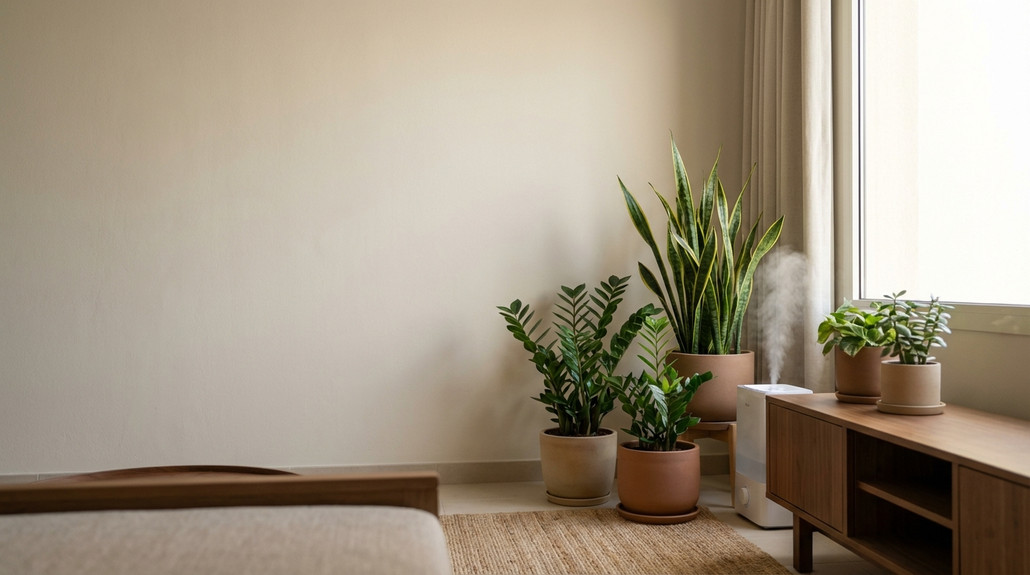
To counteract low indoor humidity, active intervention is often required. One simple yet effective method is to group humidity-loving plants together. As each plant naturally releases moisture through transpiration, a small, localized humid microclimate is created, benefiting the entire cluster. Another popular technique is to use a pebble tray: fill a shallow tray with decorative pebbles and add water until it is just below the top of the pebbles, then place your plant pot on top (ensuring the base doesn't sit directly in the water). As the water evaporates from the tray, it gently humidifies the air immediately surrounding the plant. While misting can provide a temporary boost, its effects are fleeting and may sometimes encourage fungal issues on certain foliage types if ventilation is poor. For sensitive tropicals, a small room humidifier remains the most consistent and effective solution for sustained humidity.
Strategic Placement and Dust Management
Beyond managing humidity, strategic placement is vital. Plants must be positioned carefully, well away from direct airflow from the السبلت vents. This allows for gentle air circulation without the harsh, drying blast that can cause rapid desiccation and stress. This ensures the plant receives good ventilation without being subjected to excessive environmental pressure. Furthermore, the regular cleaning of plant leaves is an often-overlooked but crucial task, especially with the pervasive fine dust (غبار) that accumulates in our region. Clean leaves can transpire and photosynthesize more effectively, maintaining their moisture balance better and ensuring the plant breathes and converts light into energy efficiently. Gently wipe down leaves with a soft, damp cloth every few weeks to remove accumulated dust, allowing your indoor plants to thrive without obstruction.
Soil and Pots: The Unseen Foundation for Resilience
The foundation for any healthy indoor plant is its growing medium and the pot it resides in. In Iraq, where specific climate challenges dictate unique needs, using a generic or unsuitable soil mix, or a pot without proper drainage, is a common mistake that sets plants up for failure. Improper drainage exacerbates watering woes, creating conditions ripe for root problems and slow decline, which is a key reason for losses among indoor plants. The right soil and pot work synergistically to create a stable, breathable environment for the root system, which is paramount for a plant to withstand the stresses of a hot, AC-dependent indoor climate.
Choosing the Right Potting Mix
The soil is where your plant finds its anchor, its water, and its vital nutrients. Standard garden soil is far too dense and heavy for potted indoor plants; it compacts easily, drains poorly, and quickly suffocates delicate roots by depriving them of oxygen. Therefore, using a high-quality, specialized indoor potting mix is absolutely essential. Look for a lightweight and airy blend, containing components such as peat moss, perlite, and coco coir. These ingredients provide the ideal balance between moisture retention and essential aeration, allowing roots to breathe while holding sufficient water for the plant's needs. For drought-tolerant species like succulents or cacti, a specialized mix offers even faster drainage, which is crucial for preventing root rot. Repotting your plants into fresh, nutrient-rich soil every 1-2 years is also vital, as it helps to replenish exhausted nutrients, prevents compaction, and gives your plant a fresh start. Mozher offers a selection of quality potting mixes and care essentials specifically chosen to support these needs, ensuring your plants have the best possible foundation for healthy growth.
The Importance of Healthy Roots
Healthy roots are the bedrock of a healthy plant, responsible for absorbing water and essential nutrients. Poor watering practices—most commonly overwatering, especially in AC-cooled environments where soil dries out slowly—can quickly compromise root health. Ignoring these issues until the plant shows severe distress above ground is a critical mistake. Regularly check your plant's root system, especially if you suspect watering issues. Healthy roots should appear firm, plump, and light-colored (white or tan). If they are black, mushy, or emit a foul odor, root rot has likely set in. Trim away all affected, mushy roots with clean, sterile scissors and repot the plant in fresh, well-draining soil. This proactive approach, coupled with using the right soil mix and pots with adequate drainage, is your best defense against root-related problems, ensuring your plant has a strong foundation for robust growth.
Acclimation and Minimizing Delivery Stress: A Gentle Transition
The journey of an indoor plant from a nursery to its new home in Iraq can be quite stressful. This transition involves drastic changes in light intensity, temperature, and humidity, which can be a significant shock for the plant. Failing to properly acclimate new plants or ignoring signs of delivery stress are common mistakes that can lead to slow decline. At Mozher, we understand that this transition can be demanding, which is why our selection focuses on resilient indoor plants, chosen for safe delivery and their ability to bounce back from environmental shifts.
Easing the Shock for New Arrivals
Plants experience significant "transplant shock" when moved from the controlled conditions of a nursery to a new environment. This shock is particularly pronounced in Iraq due to the drastic changes in light intensity, temperature, and especially humidity they encounter. New plants may exhibit signs of stress, such as yellowing or drooping leaves, as they acclimate. Immediate repotting only adds another layer of stress, forcing the plant to adapt to both a new environment and new soil simultaneously. To minimize this impact, provide a stable and consistent environment for new plants. Place them in a spot with bright, indirect light, well away from direct السبلت drafts or intense, unfiltered window sun. Avoid immediate repotting or heavy fertilizing during the first few weeks, allowing the plant to acclimate peacefully and allocate its energy to adjusting. This gentle introduction is crucial for long-term vitality, giving your new companion the best chance to settle in and thrive.
Quick-Start Checklist for Indoor Plants in Iraq
- Choose Wisely: Select plants known for drought tolerance and adaptability to low humidity. Mozher’s curated selection of resilient indoor plants is an excellent starting point.
- Check Soil Moisture, Deeply: Always use the finger test (2-3 inches deep) or an accurate moisture meter before watering.
- Water Deeply, Drain Completely: Ensure water flows from drainage holes and empty saucers immediately. Using pots with proper drainage is essential.
- Provide Bright, Indirect Light: Bright, filtered light is best; avoid direct scorching sun and very dim corners. Consider plants for low-light conditions if your space is naturally dim.
- Boost Local Humidity: Group plants, use pebble trays, or consider a small humidifier.
- Avoid AC Drafts: Position plants away from direct blasts of cold, dry air from the السبلت.
- Use Quality Potting Mix: A light, airy, well-draining mix is essential. Find suitable options in our quality potting mixes and care essentials section.
- Acclimate New Plants: Allow new arrivals to adjust for several weeks before making major changes like repotting.
- Clean Leaves Regularly: Wipe away dust (غبار) to ensure efficient photosynthesis.
- Fertilize Sparingly & Seasonally: Only during active growth, and never on dry or stressed plants.
Common Myths vs. Reality for Iraqi Plant Owners
Myth: "My plant needs more water because the soil surface is dry."
Reality: In AC-cooled Iraqi homes, the surface soil dries quickly, but the roots below can still be saturated. Overwatering is the number one killer. Always check 2-3 inches deep or use a moisture meter before watering to prevent root rot. This is a crucial distinction that can save your plant from irreversible damage.
Myth: "Misting daily provides enough humidity."
Reality: While pleasant, misting offers only fleeting humidity. The water evaporates rapidly, and constant leaf wetness can sometimes encourage fungal issues, especially if ventilation is poor. Grouping plants, using pebble trays, or a humidifier provides more sustained and effective humidity in our dry climate. Focus on long-term solutions over temporary fixes.
Myth: "More fertilizer will make my struggling plant healthy."
Reality: Fertilizer is food for healthy, actively growing plants. A stressed or sick plant cannot effectively utilize nutrients, and over-fertilizing can "burn" compromised roots due to salt buildup, which is particularly problematic with our local tap water. Diagnose the real issue first and address it before considering fertilization. A healthy plant needs a balanced diet, not an overload.
Myth: "All indoor plants are essentially the same and need the same care."
Reality: Plants have vastly different needs. A cactus thrives in conditions that would quickly kill a fern. Understanding your specific plant's native habitat helps you replicate suitable conditions, especially when selecting indoor plants for an environment like Iraq. Choosing resilient plants from the outset that are naturally suited to drier, hotter conditions makes a huge difference in their long-term success and your enjoyment.
Frequently Asked Questions About Indoor Plants in Iraq
How can I tell if yellow leaves are from overwatering or underwatering in an AC-cooled room in Iraq?
This is a critical distinction in Iraq's climate. If the yellow leaves are soft, limp, and mushy, and the soil feels wet to the touch even days after watering, this strongly indicates overwatering. The cool air from the السبلت significantly slows water evaporation, trapping moisture. Conversely, if the yellow leaves are dry, crispy, and brittle, and the soil is bone-dry and pulls away from the pot, it's a sign of underwatering. Always check the soil moisture deeply with your finger or using a reliable moisture meter before diagnosing the problem or adding water. Understanding this difference is paramount to providing the correct care.
Can yellow leaves ever turn green again?
Unfortunately, once a leaf has turned definitively yellow, it rarely reverts to green. The cells responsible for producing chlorophyll have typically died. The best approach is to address the underlying cause of the yellowing. Once the issue is resolved, your plant will direct its energy towards producing new, healthy green growth. You can prune off severely yellowed or damaged leaves to encourage this new growth and improve the plant's overall appearance and vigor. Focus on the future health of your plant rather than trying to reverse existing damage.
My plant has yellow leaves but also brown, crispy tips. What's the problem in an Iraqi home?
This common symptom in Iraqi homes typically points to low ambient humidity caused by continuous air conditioning (السبلت). The dry air extracts moisture from the leaves faster than the roots can supply it, causing the tips to dry and brown, even if the soil itself is adequately moist. While ensuring proper watering is fundamental, the primary solution is to increase the humidity around the plant. Group plants together, use a pebble tray with water, or keep the plant away from direct AC vents. Mineral buildup from tap water can also contribute to brown tips. For more insights into general plant care and common problems, the Clemson University Home & Garden Information Center offers valuable advice.
What are the most common pests that cause problems for indoor plants in Iraq?
In Iraq's indoor environment, particularly due to the dry air from continuous السبلت use, spider mites are a very common pest. They thrive in low humidity and can rapidly cause yellow speckling on leaves, often accompanied by fine, delicate webbing on the undersides. Other potential pests include mealybugs (small, cottony white insects) and fungus gnats (tiny flying insects often indicating wet soil). Regular inspection of your indoor plants, especially the undersides of leaves, is your best defense against these unwelcome guests. Early detection and prompt, appropriate action are crucial for effective pest management. For comprehensive pest management strategies, refer to resources from reputable botanical gardens, such as the Missouri Botanical Garden's plant care guides.
Cultivating vibrant indoor plants in Iraq’s unique climate is not an impossible dream; it’s a rewarding journey that requires understanding, patience, and a bit of local wisdom. By embracing climate-aware recommendations for watering, light, humidity, soil, and acclimation, you can significantly reduce plant losses and transform your home into a thriving green sanctuary. Remember, every plant tells a story through its leaves. Learn to listen, and you'll unlock the secret to a resilient indoor garden that brings joy for years to come. For a more comprehensive overview of how to sustain plants in our challenging regional climate, explore our comprehensive guide to indoor plant care in hot climates.