


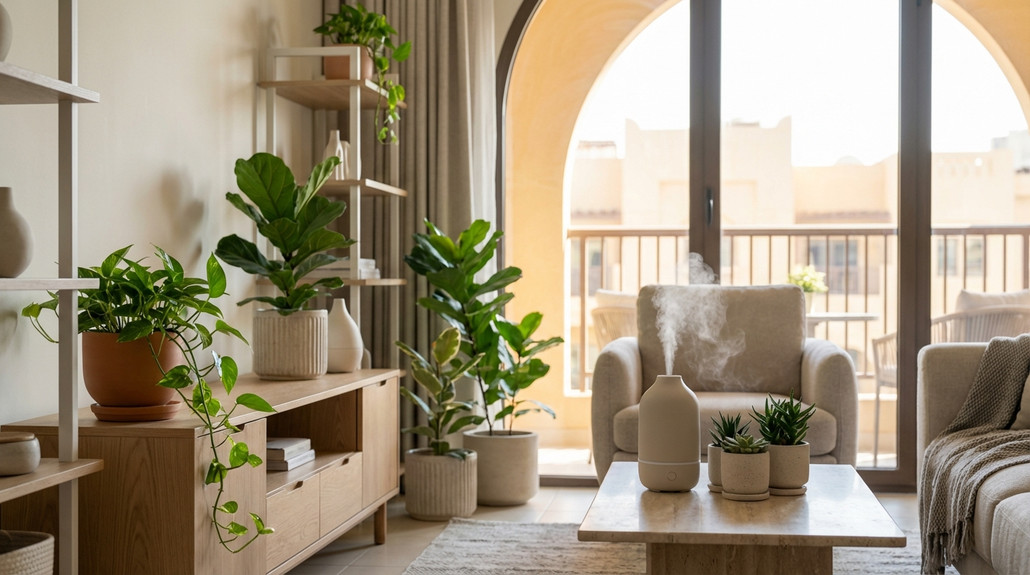
How Indoor Plants Behave Differently in Hot Climates in Iraq Homes
Posted by Mozher Experts on 24.02.26
Understanding the Indoor Environment in Iraq
Success with indoor plants in Iraq is less about the heat outside and more about managing the artificial climate we create inside. Homes are sealed against dust and heat, with air conditioning units running for months. This creates a unique environment: stable temperatures, but with extremely low humidity and forceful, cold air drafts. Sunlight, even when filtered through glass, is intensely bright and can scorch leaves that would thrive elsewhere. The primary challenge is not the outdoor temperature, but this combination of intense light, dry air from the AC, and the risk of overwatering in response to the perceived heat. A plant placed near a window might experience scorching sun, while another a few meters away sits in a direct, dehydrating AC draft. Mastering this indoor microclimate is the foundation of successful plant care here.
The Reality of Light in a Hot Climate
Standard plant labels often use terms like "bright, indirect light," which can be misleading in our region. The sun's intensity in Iraq means that even a spot several feet from a north-facing window can be intensely bright. Direct sun through a window acts like a magnifying glass, rapidly burning leaves and overheating the soil. It is crucial to observe how the light moves through your rooms during the day. Sheer curtains are not just for decoration; they are essential tools for diffusing harsh sunlight and protecting your plants. Most tropical houseplants, which form the bulk of the indoor plant market, evolved under the canopy of a rainforest. They are not adapted for the direct, unfiltered solar radiation common here. You must learn to read the light in your own space. Yellowing or pale leaves can indicate too much direct light, while weak, spindly growth with small leaves points to insufficient light. Finding the right balance often means placing plants further from windows than you might think is necessary or selecting from a curated list of plants suited for bright, indirect light that can tolerate these conditions better.
Watering: The Most Common Point of Failure
The dry air created by continuous air conditioning tempts many to water their plants too frequently. This is the single most common mistake. While the air is dry, the soil in the pot may remain damp for a long time, especially if the pot has poor drainage or the soil mix is heavy. Constant AC can also cool the root ball, slowing down water absorption and metabolic activity. This combination of dry air and cold, wet roots is a recipe for root rot, a condition from which few plants recover. The correct approach is to ignore a fixed schedule. Instead, check the soil directly. Push your finger about two inches deep; if it feels dry at that depth, it is time to water. For larger pots, using a moisture meter removes all guesswork. When you do water, do so thoroughly until water drains from the bottom of the pot. Discard this excess water immediately. Never let a plant sit in a saucer full of water. This disciplined approach prevents the soil from becoming a waterlogged, airless environment where roots cannot survive.
Managing Humidity and Airflow
Air conditioning is a necessity, but it is hostile to most indoor plants, particularly those of tropical origin. It strips moisture from the air, creating an environment with humidity levels far lower than what these plants need to thrive. Signs of low humidity stress include brown, crispy leaf tips and edges, stunted growth, and increased susceptibility to pests like spider mites. Placing a plant directly in the path of an AC vent will dehydrate it rapidly. While misting provides a momentary boost, its effects are temporary and often insufficient. A more effective strategy is to group your plants. As they transpire, they release moisture, creating a small pocket of higher humidity around them. Placing pots on a tray filled with pebbles and water (ensuring the pot sits on the pebbles, not in the water) can also help increase local humidity as the water evaporates. For rooms that naturally have more moisture, such as a bathroom with a window, consider placing humidity-loving plants there, where they are more likely to flourish.
The Importance of Proper Soil and Pots
The container and the medium it holds are just as critical as light and water. In an air-conditioned Iraqi home, the choice of soil and pot can make the difference between a thriving plant and a struggling one. Many generic potting soils sold in the market are peat-based and designed to retain moisture. In our climate, this can be a liability, as they stay wet for too long and contribute to root rot. A better choice is a well-draining mix. You can amend a standard potting soil by adding materials like perlite or pumice to improve aeration and drainage. This ensures that even if you water thoroughly, the roots have access to oxygen. The pot material also plays a significant role. Terracotta (clay) pots are porous and allow soil to dry out faster, which is beneficial in our environment as it reduces the risk of overwatering. Glazed ceramic or plastic pots retain moisture for much longer and require less frequent watering. Choosing the right pots for your specific plants and your watering habits is a key component of proactive plant care.
Selecting Resilient Plants for Iraqi Homes
Starting your indoor plant journey with the right species is crucial for building confidence. Not all plants are created equal in their ability to handle the dry, air-conditioned environments of Iraq. Beginners should avoid sensitive species like Calatheas, ferns, or Fiddle Leaf Figs, which demand high humidity and consistent conditions. Instead, focus on plants known for their resilience. The Snake Plant (Sansevieria), ZZ Plant (Zamioculcas zamiifolia), and Pothos (Epipremnum aureum) are exceptionally tolerant of a wide range of conditions, including lower humidity and occasional watering neglect. They are excellent choices for learning the fundamentals of plant care in this specific climate. When you are ready to expand your collection, look for plants that have thicker, waxier leaves, as this is often an adaptation that helps them retain moisture and better withstand dry air. By selecting plants known for their hardiness, you set yourself up for success and can gradually move on to more demanding species as you gain experience and understand the nuances of your home's environment.
Frequently Asked Questions
Why do my plant's leaves get brown, crispy tips?
This is the most common symptom of low humidity. The constant operation of air conditioning units removes moisture from the air, causing the delicate tissue at the tips and edges of leaves to dry out and die. While it can also be a sign of inconsistent watering or mineral buildup from tap water, dry air is the primary culprit in most Iraqi homes. Grouping plants together or using a pebble tray can help mitigate this issue.
Is it better to put my plants outside in summer for more sun?
No, this is generally not advisable for most houseplants. The transition from a climate-controlled indoor environment to the extreme heat and intense, direct sun outside will cause severe shock, sunburn, and rapid dehydration. Indoor plants are not acclimated to outdoor conditions in our region. Keep them indoors where you can control their environment.
Can my plants survive on just artificial light?
Yes, many plants can thrive exclusively under artificial light, provided it is the correct type and intensity. Standard household light bulbs are usually insufficient. You will need full-spectrum grow lights positioned at the correct distance from the plant and left on for 12-14 hours a day. This is an excellent solution for rooms with no windows or very low natural light, allowing you to have greenery in any part of your home.