


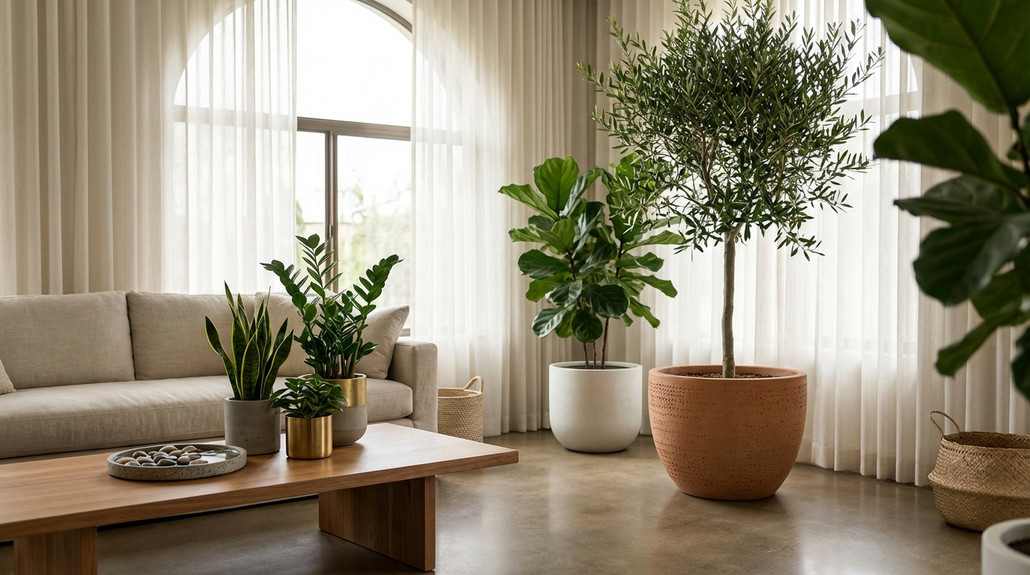
How Indoor Plants Behave Differently in Hot Climates in UAE Homes
Posted by Mozher Experts on 24.02.26
The Challenge of AC and Intense Window Light
In the UAE, the environment for indoor plants is defined by a constant paradox. Outside, the sun is intense and the heat is extreme. Inside, air conditioning runs almost continuously, creating a cool but artificially dry atmosphere. This creates a unique set of challenges not found in more temperate climates. The glass of our windows acts like a magnifying glass, intensifying the sunlight to levels that can scorch even sun-loving plants. A few feet away, an AC vent blasts cold, dry air that mimics a desert wind, stripping moisture from leaves and soil. This dual stress of intense light in one spot and cold drafts in another is the primary reason many common plant care rules fail here. Understanding how to manage this specific indoor ecosystem is the foundation of successful plant ownership in the region. It requires a shift in thinking from generic advice to a more precise, locally-aware approach.
Rethinking Light Exposure Through UAE Windows
The term "bright, indirect light" is the most common recommendation for houseplants, but its meaning changes dramatically in the UAE. Sunlight filtering through a south-facing window in Europe is very different from the unfiltered, high-angle sun in Dubai. Here, even light that is technically "indirect" can be too strong for many popular indoor plants like Calatheas or Ferns. Leaves can scorch, turning brown or yellow, even when they are not in a direct sunbeam. The intensity and duration of the light are simply greater. It is crucial to observe how the light moves through your space during the day. A spot that seems perfect in the morning might receive punishing afternoon sun. A sheer curtain is often not just a decorative choice but a necessary tool to diffuse this harsh light, protecting your plants from stress. For most homes here, the safest and most effective lighting comes from east-facing windows, which receive gentler morning sun, or from a position several feet back from a south or west-facing window. You can also explore a curated selection of species that thrive in bright indirect light and are better suited for our conditions.
Watering Discipline in a Deceptively Dry Environment
The dry air produced by constant air conditioning creates a misleading situation for plant owners. The top layer of soil can feel bone-dry to the touch just a day or two after watering, tempting you to water again. This is one of the most common paths to root rot. While the surface is dry, the soil deeper in the pot, where the roots are, may still be saturated. The AC does not dry the entire soil column evenly. Therefore, a fixed watering schedule is unreliable and often harmful. The only accurate method is to check the moisture level two to three inches below the surface. You can do this with your finger or, for greater precision, with a tool. A reliable moisture meter removes all guesswork. Insert it into the soil to get an accurate reading of the conditions at the root level. Water thoroughly only when the meter indicates "dry" or your finger feels no moisture. When you do water, do so until water drains from the bottom of the pot, ensuring the entire root ball is hydrated. Then, allow it to dry out appropriately before watering again.
Managing Humidity: The Invisible Necessity
Most popular indoor plants are native to tropical or subtropical regions where humidity levels are consistently high. Our air-conditioned homes in the UAE are the opposite, with humidity levels that are often extremely low. This dry air causes plants to lose water from their leaves faster than their roots can absorb it, a process called transpiration. This stress manifests as brown, crispy leaf edges, curling leaves, and a general failure to thrive. While installing a large humidifier is one option, simpler methods are often effective. Grouping plants together creates a small microclimate where the collective transpiration raises the local humidity. Placing pots on a tray filled with pebbles and a small amount of water is another classic technique; as the water evaporates, it provides moisture to the air directly around the plants. For spaces like bathrooms that naturally have higher humidity, consider choosing from a range of plants adapted to high humidity, such as Ferns or Calatheas, which will perform much better in those conditions.
The Critical Role of Airflow and Ventilation
Airflow is a double-edged sword for indoor plants in the region. Gentle air circulation is beneficial, as it helps prevent the stagnant air that can encourage pests and fungal diseases. However, the direct, cold draft from an AC unit is extremely damaging. This constant stream of cold air can cause sudden temperature fluctuations around the plant, leading to shock, which often results in sudden leaf drop. It also rapidly dries out both the leaves and the soil, exacerbating the problems of low humidity and inconsistent moisture. When placing your plants, take a moment to identify where the AC vents are located and how the air flows from them. Ensure no plant is positioned directly in the path of this airflow. Even being a few feet to the side can make a significant difference. The ideal location is a spot with good ambient light and gentle, indirect air movement, but away from the direct blast of conditioned air.
Why Soil and Pot Selection Are More Important Here
The choice of soil and pot has a greater impact on plant health in our unique indoor climate. Standard, dense potting soils that retain a lot of water can be a liability. In an environment where we are tempted to overwater due to dry surface soil, a dense mix can quickly become waterlogged, starving the roots of oxygen and leading to rot. A better choice is a well-draining, airy potting mix, often amended with perlite or orchid bark. This type of mix allows excess water to drain away freely while still retaining enough moisture for the plant. The pot material also plays a key role. Porous terracotta pots allow soil to dry out faster, which can be beneficial for drought-tolerant plants like succulents and cacti, providing an extra safeguard against overwatering. Non-porous materials like glazed ceramic or plastic retain moisture for longer, making them suitable for plants that prefer consistently moist soil. Choosing appropriate pots and containers that match your plant's needs and your watering habits is a critical step.
A Quick-Start Checklist for UAE Homes
Navigating the specifics of our environment can feel complex. This short checklist provides a practical starting point for new and experienced plant owners alike.
- Assess Your Light Honestly: Observe the light in your chosen spot for a full day. What seems like "indirect" light might be several hours of intense, direct sun. Adjust placement or use sheer curtains to filter it.
- Water by Feel, Not by Schedule: Abandon the "once a week" rule. Check the soil moisture 2-3 inches deep. Water only when it's genuinely dry at the root level.
- Avoid Direct AC Drafts: Position plants away from the direct flow of air conditioning vents. The cold, dry air is a primary source of stress.
- Keep Leaves Clean: Dust accumulates quickly in the UAE. Wipe your plant's leaves with a damp cloth every few weeks. Clean leaves photosynthesize more efficiently and look healthier.
- Start with Forgiving Plants: If you are new to keeping indoor plants in this climate, begin with resilient species. A curated selection of resilient and hardy varieties can help build your confidence. Plants like the ZZ Plant, Snake Plant, and Pothos are more tolerant of inconsistent watering and lower humidity.
Frequently Asked Questions
Why are my plant's leaves getting brown, crispy edges?
This is the most common symptom of low humidity, a direct result of constant air conditioning. The dry air pulls moisture from the leaves faster than the plant can replenish it. To fix this, try grouping plants together, using a pebble tray with water, or misting the leaves every few days. It can also be a sign of underwatering, so ensure you are checking the soil moisture properly.
How often should I really water my plants in the summer?
There is no single correct answer or schedule. It depends entirely on the plant type, pot size, soil mix, and the specific conditions in your home. A small plant in a terracotta pot near a bright window will need water far more often than a large plant in a plastic pot in a low-light corner. The only reliable method is to check the soil moisture regularly and water based on the plant's actual needs, not the calendar.
Are air-purifying plants actually effective against dust?
While many plants are known to remove certain volatile organic compounds (VOCs) from the air, their impact on heavy dust particles is minimal. They can help improve overall air quality, but they are not a substitute for regular cleaning. The best approach is to wipe down both your surfaces and your plant leaves regularly to manage dust accumulation effectively. Plants with large, smooth leaves like the Fiddle Leaf Fig or Rubber Plant are particularly easy to keep clean.