


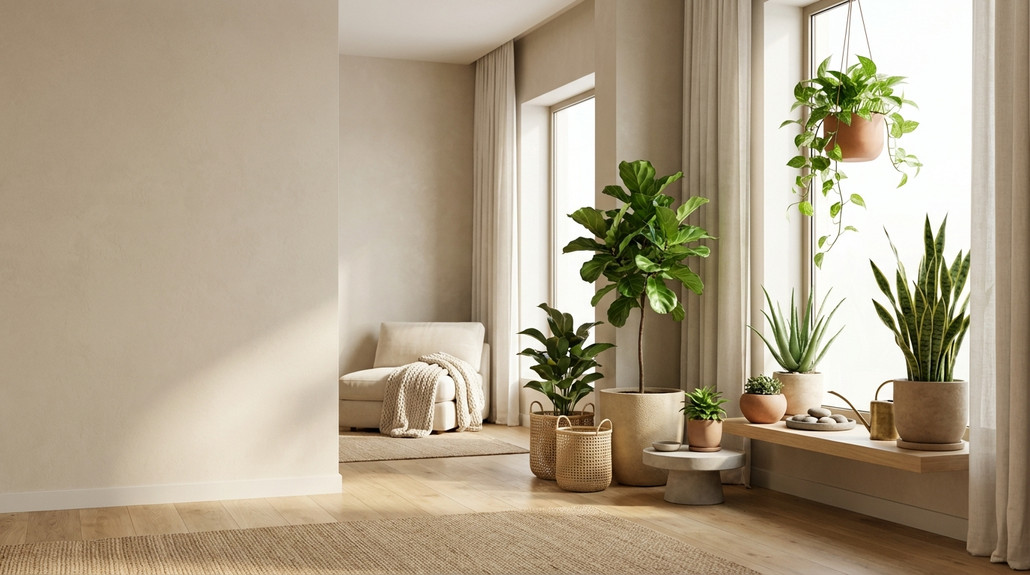
How to Care for Indoor Plants During Extreme Summer Heat in Iraq Homes
Posted by Mozher Expoerts on 27.02.26
The Summer Watering Challenge for Indoor Plants in Iraq Homes
The Iraqi summer is relentless, pushing temperatures to extremes that often make our air-conditioned homes (the "السبلت") a necessity, not a luxury. While this cool reprieve brings comfort to us, it creates a uniquely challenging and often paradoxical environment for our beloved indoor plants. The constant operation of the AC unit relentlessly strips moisture from the air, fabricating an artificially arid microclimate. This pervasive dryness, coupled with direct, cold drafts from vents and the fine dust that frequently settles on surfaces, crafts a silent battleground for your green companions. Many plant owners find themselves bewildered as their vibrant plants begin to struggle, often misinterpreting signs of distress. The assumption might be that intense heat demands more frequent watering, leading to the common pitfall of overwatering. Conversely, the dry air rapidly dehydrates foliage, even if the deeper soil remains saturated. Understanding this intricate interplay of external heat, internal coolness, and persistent low humidity is not just helpful; it is the foundational education required to transform your indoor plant aspirations into a thriving, resilient reality here in Iraq. At Mozher, we curate premium, climate-aware indoor plants and essentials specifically suited for these realities, ensuring they arrive healthy and are equipped for a successful journey in your home, leading to healthier plants and fewer losses. This guide will provide clear, practical steps to ensure your indoor plants not only survive but genuinely flourish through Iraq’s extreme summer heat.Understanding Your Plant's Hydration Needs: Beyond a Fixed Schedule
The most common reason for indoor plant demise is incorrect watering. In Iraq's AC-heavy homes, this reality is significantly amplified and often deceptive. The cool, dehumidified air from the "السبلت" can cause the top layer of soil to dry out remarkably quickly, creating a misleading illusion that the plant is thirsty. However, underneath this seemingly parched surface, the root ball can remain saturated for days, or even weeks. Adding more water to already wet soil starves the roots of vital oxygen, leading to suffocation and irreversible root rot. Therefore, abandoning a fixed watering schedule is paramount. Instead, adopt an observation-based approach, listening to your plant's true needs.Mastering the Finger Test: Your Primary Watering Tool
The golden rule for watering indoor plants in Iraq is simple: "Check the soil, deeply, before every watering." Insert your finger about 5-7 centimeters (2-3 inches) into the soil. If it feels completely dry, powdery, or crumbly, then it is time for a thorough drink. If there is any lingering moisture or coolness, wait patiently. For plants that are particularly drought-tolerant, like a Snake Plant or ZZ Plant, this might mean waiting an extra week or two. This manual check provides direct, real-time data on your plant's actual hydration status, far more reliable than a calendar.Leveraging a Reliable Moisture Meter for Precision
For greater accuracy, especially with larger pots or for new plant enthusiasts, a reliable moisture meter can prove invaluable. This tool provides an objective reading deep within the root zone, eliminating any guesswork. Insert the probe gently into the soil, halfway between the stem and the pot rim, and about two-thirds of the way down. The reading will tell you if the soil is wet, moist, or dry, allowing you to respond accurately to your plant's hydration levels. Understanding the moisture profile beneath the surface prevents both the risks of overwatering and the stress of underwatering.The Art of Thorough Watering and Proper Drainage
Once you've determined that watering is necessary, the method of application matters significantly. It’s not just about adding water, but about ensuring it reaches where it's needed and then drains away efficiently.Watering Deeply for Root Health
Avoid giving plants small, frequent "sips" of water. This practice encourages shallow root growth, which makes the plant less resilient to dry periods and vulnerable to nutrient deficiencies. Instead, water thoroughly and deeply until water flows freely from the drainage holes at the bottom of the pot. This ensures the entire root system is hydrated and helps to flush out any harmful mineral salts that can accumulate from tap water, a common issue in our region.The Critical Role of Well-Draining Pots
Critically, after watering, ensure the pot drains completely for 15-20 minutes, then promptly discard any water collected in the saucer. Allowing a plant to sit in stagnant water is a direct path to root rot, which is particularly destructive in cooler, AC-controlled indoor environments where evaporation is slowed. For this reason, Mozher always recommends selecting properly draining pots to facilitate this crucial process and safeguard your plant's health. The right pot material also plays a role: porous terracotta pots allow some moisture to evaporate through their walls, which can be beneficial for plants prone to overwatering by helping the soil dry faster. Glazed ceramic or plastic pots, conversely, retain moisture for longer.Crafting the Ideal Environment: Soil, Humidity, and Airflow
Watering is just one piece of the puzzle. The composition of your soil, the humidity of your indoor air, and adequate airflow all critically impact how your plant uses and manages water.Choosing the Right Soil Mix for Iraqi Conditions
The soil is where your plant finds its anchorage, water, and nutrients. Standard garden soil is far too dense for potted indoor plants; it compacts easily, drains poorly, and suffocates roots. Therefore, using a high-quality indoor potting mix is essential. Look for a lightweight, airy blend that contains components like peat moss, perlite, and coco coir. These ingredients provide the ideal balance of moisture retention and aeration, allowing roots to breathe while holding enough water for the plant. For drought-tolerant species, a specialized cactus or succulent mix offers even faster drainage. Repotting into fresh soil every 1-2 years helps to replenish nutrients and prevent compaction, giving your plant a fresh start. Mozher offers quality soil and essential care tools to support these specific needs.Counteracting the AC: Humidity and Airflow Strategies
The air conditioning that maintains our comfort is frequently the silent saboteur of our indoor plants, creating an environment diametrically opposed to the humid, tropical conditions many popular species naturally crave. AC units actively remove moisture from the air, resulting in an exceptionally dry atmosphere. Most tropical houseplants thrive in humidity levels ranging from 40-60%, a stark contrast to the often sub-30% levels found in a consistently air-conditioned room. This dry air rapidly pulls moisture from the plant's leaves faster than its roots can replenish it, leading to classic symptoms such as crispy, brown leaf tips and edges, even if the soil is adequately moist.Cultivating Microclimates: Boosting Local Humidity
To counteract low indoor humidity, active intervention is required. One simple and effective method is to group plants together. As each plant naturally releases moisture through transpiration, a small, localized microclimate of higher humidity is created, benefiting the entire cluster. Another popular technique is to use a pebble tray. Fill a shallow tray with decorative pebbles and add water until it is just below the top of the pebbles. Place your plant pot on top of the pebbles, ensuring the base of the pot does not sit directly in the water. As the water evaporates from the tray, it gently humidifies the air immediately surrounding the plant. While misting can provide a temporary boost, its effects are fleeting and may sometimes encourage fungal issues on certain foliage types if ventilation is poor. For sensitive tropicals, a small room humidifier remains the most consistent and effective solution.Protecting Plants from Direct Airflow and Dust
In addition to increasing humidity, strategic placement is vital. Plants must be positioned carefully, well away from direct airflow from AC vents. This allows for gentle air circulation without the harsh blast that can cause rapid drying and stress. Regular cleaning of plant leaves, a common challenge with the pervasive dust ("غبار") in our region, also helps. Clean leaves can transpire more effectively and maintain their moisture balance better, ensuring the plant breathes and photosynthesizes efficiently.Acclimation and Root Health: Ensuring a Strong Start and Long-Term Vitality
The journey of a plant from a nursery to your home, especially in Iraq's climate, can be stressful. Ensuring a gentle transition and maintaining robust root health are foundational to its survival and flourishing.Welcoming New Arrivals: The Art of Acclimation
Plants experience significant stress when transported from the nursery to a new home. This "transplant shock" is particularly pronounced in Iraq due to the drastic changes in light, temperature, and humidity they encounter. New plants may show signs of yellowing or drooping leaves as they acclimate. To minimize this effect, provide a stable environment. Place your new plant in a spot with bright, indirect light, away from direct AC drafts or intense window sun. Avoid immediate repotting or fertilizing during the first few weeks, allowing it to acclimate peacefully. Even Mozher's curated selection of exceptionally hardy indoor plants, specifically chosen for safe delivery and resilience, benefits from a gentle introduction to their new environment to ensure long-term success.The Lifeline Below: Ensuring Healthy Roots
Healthy roots are the bedrock of a healthy plant. They are responsible for absorbing water and nutrients, anchoring the plant, and providing stability. Poor watering practices—most commonly overwatering in AC-cooled environments—can quickly compromise root health. Always inspect roots if you suspect a problem; they should appear firm and light-colored. If they are black, mushy, or smell foul, root rot has likely set in. Regular checks and using the proper soil and pots are your best defense.Common Watering Mistakes in Iraq Homes and How to Avoid Them
In the unique indoor climate of Iraq, certain watering habits, though well-intentioned, can inadvertently harm your plants. Understanding these pitfalls is crucial for success.-
Mistake 1: Watering on a Fixed Schedule
The Problem: Relying on a "water once a week" schedule is a recipe for disaster in an AC-cooled Iraqi home. While the dry air might make the surface appear parched, cooler indoor temperatures significantly slow down the drying rate of the entire root ball. This leads to overwatering.
The Fix: Always perform the finger test or use a reliable moisture meter before watering. Water only when the soil is dry to the touch, deep into the pot. This flexibility ensures you respond to your plant's actual needs.
-
Mistake 2: Giving Small Sips of Water
The Problem: Frequent, shallow watering encourages only surface root growth, leaving deeper roots unhydrated and the plant prone to drying out quickly. It also leads to mineral salt buildup on the soil surface.
The Fix: Water thoroughly and deeply until water drains from the bottom. This flushes out excess salts and encourages robust, deep root development.
-
Mistake 3: Allowing Plants to Sit in Standing Water
The Problem: After watering, if your plant sits in a saucer full of water for extended periods, its roots will suffocate due to lack of oxygen, leading to root rot.
The Fix: Always empty excess water from saucers or cachepots 15-20 minutes after watering. Ensure your pots have proper drainage holes.
-
Mistake 4: Misting as a Primary Humidity Solution
The Problem: While misting can temporarily refresh leaves, its effect on ambient humidity in a constantly air-conditioned environment is fleeting—often dissipating within minutes. It's not a sustainable solution and can sometimes encourage fungal issues on certain foliage types if ventilation is poor.
The Fix: Employ more effective humidity solutions like grouping plants together, using pebble trays, or investing in a small room humidifier. Focus on creating a consistent microclimate rather than temporary surface wetting.
Troubleshooting Common Watering-Related Issues
Even with the best intentions, problems can arise. Here's a quick guide to diagnose and address common watering issues in Iraq's indoor environment. For more comprehensive solutions, refer to Mozher's Common Indoor Plant Problems hub.-
Yellow, Soft, Mushy Leaves with Wet Soil
Likely Cause: Overwatering and/or poor drainage. The cool AC air slows evaporation, keeping soil wet longer.
Action: Stop watering immediately. Gently unpot and inspect roots for rot (black, mushy). Trim rotted parts with sterile shears and repot in fresh, well-draining soil. Ensure pot has adequate drainage and empty saucers promptly.
Recovery: Weeks to months. Focus on healthy new growth. Old yellowed leaves rarely recover.
-
Yellow, Dry, Crispy Leaves with Bone-Dry Soil
Likely Cause: Underwatering. Dry AC air accelerates soil drying, especially in smaller pots.
Action: Water thoroughly until water drains from the bottom. For severely dry, hydrophobic soil, bottom-watering (placing pot in a water basin for 30-60 minutes) can help. Monitor soil moisture with a moisture meter.
Recovery: Hours to days (plant perks up). Severely damaged leaves may still drop.
-
Crispy Brown Leaf Tips/Edges, Even with Moist Soil
Likely Cause: Low ambient humidity from AC, direct AC drafts, or mineral buildup from tap water.
Action: Increase ambient humidity (group plants, use pebble trays, or a humidifier). Move plant away from direct AC vents. Consider using filtered water or letting tap water sit out for 24 hours to dissipate chlorine.
Recovery: Existing damage is permanent. New growth should be healthy.
Safe Handling and Delivery Stress for Your Plants
At Mozher, we understand that a plant's journey from our nursery to your home in Iraq can be demanding. Our curation focuses on resilient varieties, and our delivery process is designed to minimize stress. However, all new plants will experience some degree of "transplant shock." It's normal for them to show minor yellowing or drooping leaves as they acclimate to their new environment. Provide a stable spot with bright, indirect light, avoid immediate repotting or heavy fertilizing for the first few weeks, and monitor their watering needs closely. This gentle introduction is crucial for long-term vitality.A Maintainable Watering Routine for Summer Heat in Iraq
Cultivating thriving indoor plants in Iraq's intense summer climate requires a mindful, consistent approach rather than rigid adherence to schedules. Here's a sustainable routine to integrate into your plant care:- Weekly Check: Dedicate a specific day each week (e.g., Friday morning) for a thorough inspection. Perform the "finger test" on all your plants, checking the soil moisture 5-7 cm deep.
- Water Selectively: Only water those plants whose soil is definitively dry. Water deeply until water runs from the drainage holes, then promptly empty any excess from the saucer.
- Humidity Boost: Group your humidity-loving plants together. Refill pebble trays as needed. If using a humidifier, ensure it's functioning properly.
- Clean Leaves: Gently wipe down dusty leaves with a soft, damp cloth every 1-2 weeks. This improves photosynthesis and deters pests.
- Rotate Plants: Rotate plants a quarter turn each week to ensure even light exposure and symmetrical growth.
- Pest Watch: During your weekly check, also look for any early signs of pests, especially on the undersides of leaves. Early detection makes treatment much easier.
- Monthly Fertilization (Seasonal): During the active growing months (typically spring and early summer in Iraq before the most extreme heat), apply a diluted, balanced liquid fertilizer to *moist* soil once a month. Reduce or halt fertilization during the peak summer dormancy and cooler winter months. Mozher's soil and fertilizer selection can assist.