


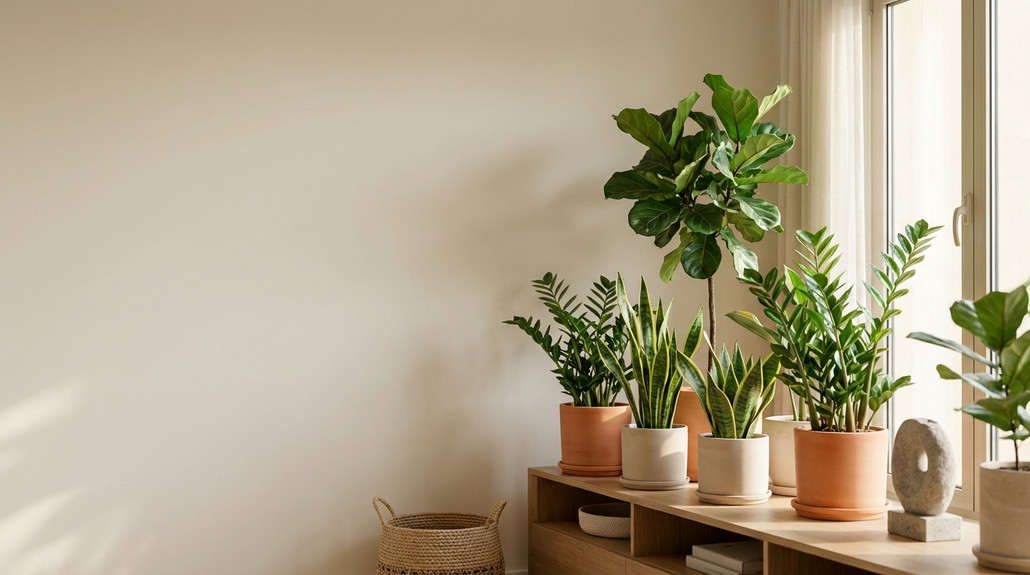
How to Save a Dying Indoor Plant Step by Step in Iraq Homes
Posted by Mozher Expoerts on 27.02.26
The Urgent Plea: Responding to a Dying Indoor Plant in Your Iraqi Home
There are few sights more disheartening for any plant enthusiast than witnessing a once-thriving indoor plant begin to falter. The leaves yellow, droop, or develop unsightly brown tips, sending a clear signal of distress. In Iraq, where our indoor environments are a stark contrast to the often-intense external heat, these signs can be particularly frustrating, often leaving plant owners unsure of how to intervene. The constant operation of our indispensable air conditioning (السبلت), while providing comfort, relentlessly strips humidity from the air, creating an artificially arid microclimate that challenges even the most robust indoor plants. Add to this the stress of transport from nursery to home and the unique properties of our local water, and it becomes clear why a clear diagnostic path is essential.
As a senior indoor-plant specialist and horticulture educator with Mozher, I understand the specific pressures faced by indoor plants in Iraq. Many common issues stem from well-intentioned but climate-unaware care. This guide is designed to offer a calm, credible, and practical approach to diagnosing and resolving the most frequent indoor plant problems, helping you understand what your plant is truly communicating and how to bring it back to health. Our aim is to transform your frustration into successful plant recovery, fostering a thriving green oasis within your home. For a broader understanding of how to prevent issues, consider visiting our central resource for indoor plant problems and fixes.
Decoding the Primary Culprits: Why Your Plant is Showing Distress
When an indoor plant begins to decline, it's rarely a singular issue. More often, it’s an indication that one or more factors in its environment or care routine are out of balance. In Iraqi homes, the interplay of external heat and internal cooling (السبلت) profoundly influences these dynamics. Understanding these common stressors is the first step toward effective problem resolution.
The Watering Paradox: Overwatering vs. Underwatering in an AC Environment
This is, without a doubt, the most common and often confusing cause of plant distress. Both too much and too little water can lead to similar visible symptoms like yellowing or drooping leaves, making proper diagnosis crucial. In our climate, the constant use of the السبلت quickly dries the surface soil, frequently misleading owners into believing their plant is thirsty. Yet, cooler indoor temperatures significantly slow evaporation from deeper within the pot, meaning roots can sit in saturated soil for extended periods. This creates a critical distinction: a plant might appear dry on the surface but be drowning below.
- Overwatering: The Silent Killer. If leaves are yellow, soft, limp, or even mushy, and the soil feels consistently wet and heavy, even several days after watering, overwatering is the likely culprit. This leads to root rot, where roots are deprived of oxygen and cannot absorb water or nutrients effectively. The plant paradoxically shows signs of dehydration because its damaged roots cannot function. You might also notice a musty odor from the soil or the presence of tiny fungus gnats hovering around.
- Underwatering: A Manageable Thirst. Conversely, if leaves are yellow, dry, crispy, and brittle, and the soil is bone-dry and hard, often pulling away from the pot's edges, the plant is severely underwatered. The dry AC air accelerates overall soil drying. The plant is simply dehydrated, struggling to transport moisture to its foliage. Many plants will visibly droop as a sign of thirst.
A simple finger test (inserting your finger about 5-7 cm into the soil) or using a reliable moisture meter is invaluable for accurate assessment before you decide to water. For a deeper dive into optimal watering practices specific to our region, consult our guide on how often to water indoor plants in Iraq homes.
Nutrient Imbalances: When Essential Food is Lacking or Excessive
Just like any living organism, plants require a balanced diet of macro and micronutrients to thrive. Over time, the limited soil volume in a pot can become depleted of these essential elements, especially if the plant hasn't been repotted or consistently fertilized. Conversely, too much fertilizer can be just as detrimental as too little.
- Nutrient Deficiency. This often manifests as a general yellowing of older, lower leaves (indicating nitrogen deficiency), or yellowing between the veins of newer leaves with the veins themselves remaining green (a sign of iron or magnesium deficiency, sometimes exacerbated by mineral buildup from our local hard tap water). Without adequate nutrients, plants cannot produce chlorophyll efficiently.
- Nutrient Burn (Over-fertilization). This occurs when too much fertilizer is applied, causing a buildup of salts in the soil that "burns" the roots. Symptoms include crispy brown leaf edges, stunted growth, or sudden leaf drop, particularly on new growth. In our dry climate, where salts can accumulate more easily, this is a real risk.
Regular repotting into fresh, high-quality potting mix and using appropriate fertilizers seasonally during active growth are the best preventative measures. Always follow dilution instructions carefully.
Temperature Extremes and Light Imbalance: The Harsh Realities of Indoors
Our indoor temperatures and light exposure in Iraq are a delicate balancing act. Direct blasts of cold, dry air from the السبلت can be just as damaging as excessive, unfiltered sunlight.
- Temperature Stress (AC Drafts). Leaves continuously exposed to direct cold airflow from an AC vent can turn yellow, curl, or develop brown, crispy patches. This is a form of thermal shock and rapid dehydration, causing cell damage.
- Excessive Heat/Light. Even indoors, if a plant is too close to a window receiving intense, unfiltered direct sun, the leaves can scorch. This results in yellowing, then browning, and a crispy texture. Many tropical indoor plants are not suited for the harsh direct sun our region experiences.
- Insufficient Light. This is one of the most frequent causes of yellowing leaves, particularly for new growth or lower foliage. Plants receiving too little light often become leggy and weak, with pale, sparse, and yellowing leaves as they struggle to photosynthesize enough energy to sustain all their existing foliage. If your space is dim, consider low-light tolerant plants.
Pest Infestations: Unwanted Guests Draining Vitality
Pests can quietly drain a plant's vitality, leading to yellowing leaves, distorted growth, and overall decline. In Iraq's dry indoor environments, some pests, particularly spider mites, thrive.
- Spider Mites. These tiny, almost invisible pests create fine, delicate webbing, especially on the undersides of leaves and in leaf axils. They suck sap, causing tiny yellow speckles that eventually lead to widespread yellowing, browning, and eventual leaf drop. They love dry, warm conditions, making them a common problem in AC-cooled homes.
- Fungus Gnats. Small, dark flying insects often seen hovering around the soil. While the adults are mostly a nuisance, their larvae feed on organic matter in constantly moist soil, and sometimes on delicate roots, further exacerbating overwatering issues.
- Mealybugs, Aphids, Scale. Other common sap-sucking pests that lead to stunted growth, distorted new leaves, and general yellowing. Regular inspection is key to early detection and management.
Beyond Yellow Leaves: Other Common Symptoms and Their Meanings
While yellow leaves are a prominent warning sign, plants communicate their needs through a variety of other visual cues. Learning to interpret these signals effectively is a cornerstone of good plant care, especially in the unique indoor climate of Iraq.
Brown Tips and Edges: A Cry for Humidity
If your plant's leaves are developing crispy, brown tips and edges, even when the soil feels adequately moist, this is almost always a tell-tale sign of critically low ambient humidity. The constant operation of the السبلت, while providing cooling, relentlessly strips moisture from the air, creating an environment far too dry for many tropical plants. This dry air pulls moisture from the leaves faster than the roots can supply it, causing the edges and tips to dry out and die. Direct cold drafts from AC vents can exacerbate this issue. Mineral buildup from hard tap water can also contribute to this problem.
Drooping Leaves: Thirsty or Drowning?
Drooping leaves can be one of the most alarming symptoms because it can indicate two opposing problems: severe underwatering or root rot caused by overwatering.
- Drooping from Underwatering. If the leaves are limp but still firm, and the soil is bone dry, your plant is simply thirsty. It will usually perk up dramatically within hours of a good, thorough watering.
- Drooping from Overwatering. If the leaves are limp, soft, and somewhat mushy, and the soil is wet, this strongly indicates root rot. The damaged roots can no longer absorb water, causing the plant to wilt as if dehydrated, even in saturated soil.
Stunted Growth: A Sign of Chronic Stress
If your plant is showing minimal new growth, or the new growth is unusually small, pale, or distorted, it’s likely suffering from chronic stress. This isn't usually an immediate threat but indicates prolonged issues. Common causes include:
- Insufficient Light: Without enough energy from light, the plant simply lacks the resources to grow.
- Nutrient Deficiency: Depleted soil can't support vigorous growth.
- Root-bound: The plant has outgrown its pot, and its roots are circling tightly, unable to expand and absorb nutrients efficiently.
- Pest Activity: Persistent pest infestations can slowly sap a plant's energy, hindering growth.
Addressing these underlying factors is key to stimulating healthy new growth.
Your Diagnostic Path: A Step-by-Step Approach to Problem Resolution
When your indoor plant signals distress with yellow leaves or other symptoms, adopting a calm, systematic approach to diagnosis is far more effective than panicking. Here’s a practical sequence of steps to help you identify the root cause, designed specifically for Iraqi home environments.
1. Begin with the Soil Check: The Heart of the Matter
The soil is your first and most critical indicator. It tells you volumes about watering practices and root health.
- The Finger Test: Insert your finger about 5-7 cm (2-3 inches) deep into the potting mix. This is far more accurate than just looking at the surface, which can dry quickly due to the السبلت.
- If bone-dry: Suspect underwatering. Proceed to rehydrate thoroughly.
- If consistently wet/soggy: Suspect overwatering and potential root rot. This is a common issue in AC-cooled environments where evaporation is slowed. Gently unpot the plant for root inspection.
- If moist but not soggy: Watering is likely not the primary issue. Move to the next step.
- Use a Moisture Meter: For objective readings, especially with larger pots, a reliable moisture meter is invaluable. It provides a deeper, more accurate assessment of soil moisture.
2. Inspect the Roots: The Hidden Lifeline
If overwatering is suspected, or if your plant shows general decline despite seemingly adequate care, a root inspection is necessary.
- Gently Unpot the Plant: Carefully remove the plant from its pot. Shake off excess soil to reveal the root ball.
- Examine Root Color and Texture:
- Healthy roots: Should be firm, plump, and typically white or light tan.
- Rotted roots: Will appear black, brown, or mushy, and may have a foul, earthy odor. They break apart easily.
- Check for Root-bound Conditions: If roots are tightly circling the pot, the plant is root-bound and needs a larger pot or root pruning.
3. Examine the Leaves: Up Close and Personal
Beyond general yellowing, specific patterns on the leaves offer vital clues.
- Yellowing Pattern:
- Uniform yellowing (old leaves first): Often points to nutrient deficiency (like nitrogen) or general stress from insufficient light.
- Yellowing between veins (new leaves): Could indicate iron or magnesium deficiency, sometimes exacerbated by mineral buildup from our region's hard tap water.
- Yellow, soft, mushy leaves: Classic sign of overwatering.
- Yellow, crispy leaves: Classic sign of underwatering.
- Check for Brown Tips/Edges: As discussed, this strongly points to low ambient humidity, a pervasive issue with continuous السبلت use.
- Look for Pests: Use a magnifying glass if necessary. Inspect both the top and especially the undersides of leaves, and the leaf axils (where the leaf meets the stem). Look for tiny insects (spider mites, mealybugs), sticky residue (honeydew), or fine webbing. Spider mites thrive in the dry conditions common in Iraqi homes.
Effective Solutions and Realistic Recovery Timelines
Once you’ve accurately diagnosed the problem affecting your indoor plant in Iraq, the next step is to apply targeted solutions. Patience is key, as plants often take time to show significant improvement. Remember, existing damage (like thoroughly yellowed or crispy leaves) will rarely revert to green, but the goal is to stabilize the plant and encourage healthy new growth.
Adjusting Watering Habits: Less is Often More
- For Overwatering/Root Rot:
- Fix: Immediately cease watering. If roots are rotting, gently unpot the plant, trim affected roots with sterilized shears, and repot in fresh, well-draining soil. Ensure your pots have proper drainage. Always empty saucers after watering.
- Recovery Timeline: Visible improvement may take several weeks as the plant regrows roots. Yellowed leaves might drop; focus on new, healthy shoots. Stop interventions if no new growth appears after 2-3 months.
- For Underwatering:
- Fix: Water thoroughly and deeply until water drains from the bottom. For hydrophobic soil (that repels water), bottom-watering (placing the pot in a basin of water for 30-60 minutes) is very effective. Always check soil moisture deeply with your finger or a moisture meter before watering again.
- Recovery Timeline: Many plants perk up within hours to a day. Crispy leaves will not revive but can be pruned. New, healthy growth should appear in 1-2 weeks.
Addressing Nutrient Needs: Thoughtful Feeding
- For Nutrient Deficiency:
- Fix: Repot into a fresh, nutrient-rich potting mix if it's been over a year. During active growth (spring/early summer, before peak Iraqi heat), use a balanced, diluted liquid fertilizer on moist soil once a month. Never fertilize a dry or stressed plant.
- Recovery Timeline: Gradual improvement in new growth color will be seen over 3-6 weeks. Older, severely yellowed leaves may not recover but can be removed.
- For Nutrient Burn (Over-fertilization):
- Fix: Flush the soil thoroughly with plain water several times to leach out excess salts. Stop fertilizing for at least 3 months.
- Recovery Timeline: Damaged leaf edges are permanent. Monitor new growth for signs of health after flushing. Recovery can be slow, 1-3 months.
Optimizing Light and Temperature: Adapting to Your Home's Conditions
- For Insufficient Light:
- Fix: Move the plant to a brighter spot with indirect light. Rotate it weekly for even exposure. Consider supplemental artificial light if natural light is consistently poor. Explore low-light tolerant plants if your home lacks abundant natural light.
- Recovery Timeline: New growth will show improved color and vigor within 2-4 weeks. Older yellowed leaves may not recover.
- For Excessive Light/Scorching:
- Fix: Move the plant further from the window or use sheer curtains to diffuse harsh light.
- Recovery Timeline: Scorched leaves are permanently damaged and can be pruned. New growth should be healthy in 2-3 weeks.
- For Temperature Stress (AC Drafts):
- Fix: Move the plant away from direct السبلت vents. Group plants to create a microclimate with slightly higher humidity.
- Recovery Timeline: Immediate cessation of new damage. Existing damage is permanent. New growth will appear healthier in 2-4 weeks.
Pest Management Strategies: Timely Intervention
- For Spider Mites:
- Fix: Increase humidity around the plant (pebble tray, humidifier). Wipe down leaves thoroughly with a damp cloth or horticultural soap solution. Isolate the plant to prevent spread. Repeat treatment weekly.
- Recovery Timeline: With consistent treatment, infestation should be controlled in 2-4 weeks. Severely damaged leaves may continue to yellow and drop.
- For Fungus Gnats:
- Fix: This indicates consistently wet soil. Allow the top 5-7 cm of soil to dry out completely between waterings. Use sticky traps for adults. Consider a layer of sand over the soil to deter egg-laying.
- Recovery Timeline: Reduction in gnats seen in 1-2 weeks. Complete elimination may take 3-4 weeks as larvae cycles complete.
What NOT to Do: Common Panic Mistakes That Kill Plants Slowly
When faced with a struggling plant, our natural inclination is often to intervene rapidly, sometimes with good intentions but ultimately detrimental results. In the demanding indoor climate of Iraq, where conditions are often counterintuitive, rash actions can easily worsen a problem. As a horticulture educator, I frequently observe these common panic mistakes among plant owners, and here’s why it’s best to avoid them:
- Do NOT Automatically Overwater: This is the most prevalent and damaging mistake. The dry surface soil in an AC-cooled room often masks saturated lower soil. Adding more water to an already soggy plant will only accelerate root rot, which is the primary killer of most indoor plants in Iraq. Always check soil moisture deeply before watering, using your finger or a reliable moisture meter.
- Do NOT Drastically Relocate the Plant: Moving a struggling plant from a dim corner to scorching direct sun, or vice versa, can cause severe shock. Plants acclimate to their conditions, and sudden, dramatic changes in light or temperature are extremely stressful. If a move is necessary, do so gradually over several days. Even our exceptionally hardy indoor plants benefit from gentle transitions.
- Do NOT Fertilize a Stressed Plant: Fertilizer is plant food, but a sick or stressed plant cannot effectively absorb or metabolize nutrients. Applying fertilizer to an already struggling plant can burn its compromised roots and cause further damage, especially when soil moisture is imbalanced. Only fertilize healthy, actively growing plants during their peak season, using a diluted solution.
- Do NOT Remove All Yellow Leaves at Once: While unsightly, yellowing leaves may still be providing some minimal energy to the plant. Remove only those that are completely dry, mushy, or clearly beyond saving. Allow the plant to naturally shed others as it recovers and redirects its energy, minimizing additional stress.
- Do NOT Give Up Too Soon: Plants are remarkably resilient. Many can recover from severe distress with the correct diagnosis and consistent, appropriate care. Patience and observation are your greatest tools, especially when navigating the unique challenges of our indoor environments. Trust the process, even if it feels slow, and your plants will reward you with renewed vitality.
Comparison Table: Diagnosing Common Indoor Plant Problems in Iraq Homes
This table offers a quick reference to help you diagnose and address the most common indoor plant problems in Iraq, especially those leading to yellow leaves or other visible distress signals. Use it as a starting point for your investigation.
| Symptom | Likely Causes in Iraq Homes | Key Diagnostic Tests | Recommended Fixes | Recovery Timeline (New Growth) |
|---|---|---|---|---|
| Yellow, soft, mushy leaves; wet soil; possibly fungus gnats. | Overwatering; poor drainage (common with AC slowing evaporation). | Finger test: soil wet 5-7cm deep. Root inspection: black, mushy roots. | Stop watering. Trim rotted roots. Repot in fresh, well-draining soil. Ensure proper pots with drainage. Empty saucers. | Weeks to months for root recovery; old yellow leaves may drop, new healthy growth emerges. |
| Yellow, dry, crispy leaves; bone-dry soil; wilting. | Underwatering (common with dry AC air drying out soil quickly). | Finger test: soil bone-dry 5-7cm deep. Soil pulls from pot edges. | Water thoroughly until drainage. Consider bottom-watering for very dry soil. Use a moisture meter for accuracy. | Hours to day for plant to perk up; severely damaged leaves may still drop, new healthy growth in 1-2 weeks. |
| Brown, crispy leaf tips/edges; moist soil. | Low ambient humidity (due to constant AC); direct AC drafts; mineral buildup from tap water. | Check proximity to AC vents. Observe overall room humidity. White crust on soil. | Increase humidity (group plants, pebble trays, humidifier). Move from direct AC drafts. Use filtered water or let tap water sit out. | Existing damage is permanent; new healthy growth in 2-3 weeks if conditions are corrected. |
| Overall pale yellowing (especially older leaves); stunted growth. | Nutrient deficiency; insufficient light; plant is root-bound. | Check light exposure. Inspect roots for circling. When did you last repot or fertilize? | Repot into fresh nutrient-rich potting mix. Move to brighter indirect light. Fertilize with diluted, balanced liquid fertilizer on moist soil during active growth. | Improved color in new growth in 3-6 weeks; increased growth rate. |
| Small yellow speckles on leaves; fine webbing (undersides); distorted new growth. | Pest infestation (e.g., spider mites, mealybugs). | Visual inspection (magnifying glass helpful). Check undersides of leaves and leaf axils. | Isolate plant. Treat with horticultural soap or neem oil. Repeat regularly. Increase humidity (discourages spider mites). | Pest control in 2-4 weeks; new healthy growth once pests are eliminated. |
Prevention is Key: Cultivating Resilience in Iraq's Unique Environment
Preventing indoor plant problems is always more straightforward than treating them. In Iraq, where our climate presents consistent challenges, a proactive and climate-aware approach to care will yield much greater success. The key is to cultivate habits that anticipate and mitigate the specific stressors of heat, dry air, and fluctuating light.
First and foremost, select your plants wisely. Mozher's curated collection focuses on varieties known for their resilience and suitability for our region. Choose plants that are naturally tolerant of lower humidity and varied light conditions. For instance, plants like Snake Plants (Sansevieria) and ZZ Plants (Zamioculcas zamiifolia) are inherently robust and require less intensive care, making them ideal for the realities of Iraqi homes with constant السبلت use.
- Consistent Watering, Not Frequent: Establish a routine of checking soil moisture deeply (with your finger or a moisture meter) before every watering. Only water when the soil is dry enough for that specific plant. When you do water, do it thoroughly and deeply until water drains from the bottom of a properly draining pot, and always empty excess water from the saucer.
- Strategic Placement: Position plants to receive bright, indirect light. Avoid direct, intense sun from south or west-facing windows, which can scorch leaves. Crucially, keep plants well away from direct blasts of cold, dry air from السبلت vents, which rapidly dehydrate foliage and can cause brown tips. Gentle air circulation is good, harsh drafts are detrimental. If your home has limited natural light, explore low-light tolerant plants.
- Boost Local Humidity: Since central AC creates very dry air, actively increase local humidity. Group humidity-loving plants together to create a microclimate. Utilize pebble trays filled with water (ensuring pots don't sit directly in water). For particularly sensitive plants, a small room humidifier can make a significant difference.
- Regular Cleaning and Inspection: Dust (غبار) accumulates quickly in our environment and can impede photosynthesis. Gently wipe down leaves with a soft, damp cloth every 1-2 weeks. During this cleaning, also take the opportunity to inspect for early signs of pests, especially on the undersides of leaves. Early detection makes control much easier.
- Appropriate Potting Mix and Fertilization: Use a high-quality, well-draining potting mix. Repot every 1-2 years to replenish nutrients and prevent compaction. Fertilize sparingly during the active growing season (spring/early summer, before peak Iraqi heat), using a diluted, balanced liquid fertilizer on moist soil once a month. Reduce or halt fertilization during the hottest summer months when many plants go into a semi-dormant state.
By cultivating these habits, you will not only prevent common indoor plant problems but also foster a more intuitive understanding of your plants' individual needs, ensuring they remain vibrant, resilient, and beautiful additions to your Iraqi home for years to come.
Frequently Asked Questions About Indoor Plant Problems in Iraq
How long does it take for a plant to recover from yellow leaves?
The recovery timeline for a plant with yellow leaves depends heavily on the severity of the problem and how quickly the underlying cause is addressed. For underwatered plants, you might see them perk up within hours to a day. For overwatering or nutrient deficiencies, recovery can be slower, often taking several weeks to a few months for new, healthy growth to emerge. Remember, leaves that have turned completely yellow rarely revert to green, so the focus is on preventing further yellowing and encouraging new, vibrant foliage.
Can I cut off yellow leaves?
Yes, you absolutely can and often should remove severely yellowed, brown, or damaged leaves. Pruning these leaves helps the plant redirect its energy towards healthy growth rather than trying to sustain compromised foliage. Use clean, sharp pruning shears and make a clean cut as close to the main stem or base of the leaf as possible. Just be mindful not to remove too many healthy leaves at once, which could shock the plant.
What are the most common pests for indoor plants in Iraq?
In Iraq's indoor environment, particularly due to the dry air from continuous السبلت use, spider mites are a very common pest. They thrive in low humidity and can rapidly cause yellow speckling on leaves, often accompanied by fine, delicate webbing on the undersides. Other potential pests include mealybugs (small, cottony white insects) and fungus gnats (tiny flying insects often indicating wet soil). Regular inspection of your indoor plants, especially the undersides of leaves, is your best defense against these unwelcome guests.
Should I fertilize a struggling plant?
Generally, no. It's often a common mistake to think a struggling plant needs more "food." A stressed or sick plant cannot effectively absorb or metabolize nutrients, and applying fertilizer can actually worsen the problem by "burning" its already compromised roots, especially in our dry climate where salts can accumulate. Always diagnose the underlying issue first and address it. Only once the plant is showing signs of recovery and active growth should you resume a diluted fertilization schedule.
For a deeper understanding of plant physiology and care, you can also review resources from credible horticulture sources such as the Missouri Botanical Garden's plant care guides and the Clemson University Home & Garden Information Center for broader horticultural insights.