


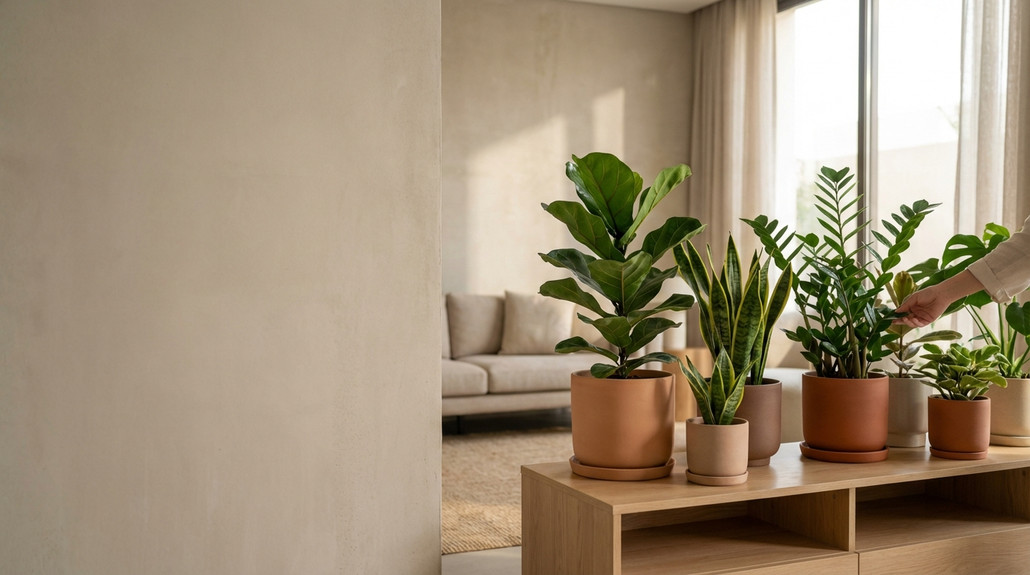
How to Save a Dying Indoor Plant Step by Step in Iraq Homes
Posted by Mozher Expoerts on 26.02.26
The Silent Plea: Recognizing a Struggling Indoor Plant in Iraq Homes
There are few sights more disheartening for an indoor plant enthusiast in Iraq than a beloved plant showing signs of distress. Whether it's yellowing leaves, drooping stems, or crispy brown tips, these are not just cosmetic issues; they are urgent messages from your plant, signaling a deeper problem. In our unique climate, where outdoor temperatures soar and indoor spaces are heavily reliant on air conditioning (السبلت), these distress signals can often be misinterpreted, leading to further decline. The constant battle against intense heat and the paradoxically dry, cool air inside creates a challenging environment for many popular houseplants. Understanding these specific local stressors and learning to accurately diagnose your plant's ailments is the first, most crucial step in reversing its decline. As a senior indoor-plant specialist, I've guided countless owners through recovery, and I assure you, with the right approach tailored to Iraq's conditions, many struggling plants can indeed be saved.
Decoding Distress Signals: Your Plant's Cry for Help
When your indoor plant begins to falter, it's not a sudden event. It's a cumulative effect of unmet needs or environmental stress. Rather than panic, observe closely. The precise symptoms—which leaves are affected, their texture, and the condition of the soil—provide a diagnostic roadmap. For instance, soft, yellowing leaves often point to one issue, while dry, crispy leaves suggest another. Our homes, with their reliance on AC, create a microclimate where air movement, humidity, and even dust can play significant roles in a plant's health. What might be generic advice elsewhere needs a climate-aware interpretation here. This diagnostic approach allows you to pinpoint the root cause, rather than applying a general "fix" that might worsen the situation. Think of yourself as a plant detective, piecing together clues to understand what your green companion truly needs.
Yellowing Leaves (Chlorosis): A Common but Complex Symptom
Yellowing leaves are perhaps the most frequent indicator of plant distress, but their meaning varies greatly. If older, lower leaves are turning soft yellow and easily detaching, it often points to overwatering or a nitrogen deficiency. Conversely, if younger leaves are yellowing while veins remain green (interveinal chlorosis), it might indicate an iron or magnesium deficiency. In the context of an Iraqi home, sudden widespread yellowing could also be a reaction to transplant shock after delivery, or drastic changes in light or temperature, such as moving the plant directly into an intense AC draft.
Brown Leaf Tips & Edges: The Dry Air Signature
Crispy, brown leaf tips or edges are a tell-tale sign of low humidity, a constant challenge when air conditioning units (السبلت) run continuously. The dry air pulls moisture from the leaves faster than the roots can supply it, causing the delicate leaf margins to dry out. This can also be exacerbated by inconsistent watering (allowing the soil to dry out too much between waterings) or a buildup of salts from tap water. Direct exposure to cold AC drafts can also cause browning and desiccation.
Drooping or Wilting Leaves: Thirsty or Drowning?
A plant with drooping leaves is a clear sign of water stress, but determining if it’s from too much or too little water requires further investigation. If the soil is bone-dry and hard, your plant is undoubtedly thirsty. However, if the soil is still wet and soggy, drooping leaves signal overwatering and potential root rot. In this scenario, the roots are suffocating from lack of oxygen and cannot absorb water, causing the plant to wilt as if it were dry. This is a crucial distinction to make in Iraq's AC-heavy homes, where soil can remain wet for longer than anticipated.
The Silent Killers: Watering Woes in an AC Environment
Improper watering is, by far, the leading cause of indoor plant problems, and it’s especially deceptive in Iraq’s unique climate. The dry air from the AC can make the top layer of soil appear parched, but underneath, the soil might remain saturated for days. This often leads to well-meaning owners adding more water, creating a vicious cycle of root damage. Understanding the nuanced balance of soil moisture is paramount for plant survival here. Always remember: a plant needs oxygen in its roots as much as it needs water. When those oxygen pockets are filled with stagnant water, the roots literally drown.
Overwatering & Root Rot: The Primary Culprit
This is the most common and fatal mistake. Consistently wet soil deprives roots of oxygen, causing them to rot. In an air-conditioned environment, the evaporation rate from the soil is significantly reduced, meaning the soil stays wet for much longer.
Symptoms: Yellow leaves that are soft, mushy, and often drop easily, starting from the lower leaves. The plant may appear generally droopy or wilted despite wet soil. A musty or foul odor from the soil, or the presence of tiny flying insects (fungus gnats), are strong indicators. Inspect the roots: healthy roots are firm and white or tan; rotted roots are black, mushy, and fall apart easily.
Fixes: Stop watering immediately. If root rot is severe, carefully unpot the plant, trim away all mushy, black roots with sterile shears, and repot in fresh, well-draining soil. Ensure your pots have proper drainage. For less severe cases, simply let the soil dry out completely. Recovery can take weeks to months, focusing on new, healthy growth rather than reviving yellowed leaves.
Underwatering: A Reversible Crisis
While overwatering is more common, underwatering can also lead to yellow or brown leaves, especially if plants are in smaller pots that dry quickly in the arid AC air, or if you're frequently away.
Symptoms: Yellow leaves that are dry, crispy, and brittle, often starting from the lower leaves. The entire plant may look wilted, and the soil will be bone-dry, often shrinking away from the pot edges.
Fixes: Water thoroughly and deeply until water drains from the bottom. For extremely dry soil, bottom-watering (placing the pot in a basin of water) allows the soil to rehydrate slowly. Most underwatered plants revive within hours, though some damaged leaves may drop. Regular use of a reliable moisture meter can prevent this by providing accurate soil readings.
Light and Life: Navigating Iraq's Intense Sun and Dim Corners
Light is the energy source for your plant, and the wrong amount can be a major stressor. In Iraq, this isn't just about direct sun; it's also about the often-dim interiors resulting from drawn curtains or the layout of modern apartments. Balancing these extremes is crucial for healthy foliage and sustained growth.
Too Much Light (Sunburn): The Scorch Mark of Iraq's Sun
Intense, direct sunlight, especially through a window, can quickly scorch leaves. This is a common issue for plants placed in south or west-facing windows during Iraq's long, hot summer.
Symptoms: Yellow or bleached-out patches, often turning brown and crispy, typically on leaves directly facing the window. The plant may look dull or faded.
Fixes: Move the plant further back from the window, or use sheer curtains to diffuse the harsh sun. Consider its natural habitat; most houseplants are understory plants that prefer bright, indirect light. Severely burned leaves will not recover and can be pruned off.
Too Little Light: The Stretching Search for Sunshine
Insufficient light hinders photosynthesis, leading to a slow decline. This can happen in dimly lit corners or if thick curtains block too much ambient light.
Symptoms: Pale, uniformly yellowing leaves, especially older ones, that eventually drop. Leggy growth (long, stretched stems with widely spaced, small leaves) as the plant "reaches" for light. New growth is often stunted.
Fixes: Relocate the plant to a brighter spot that receives ample indirect light. Rotate the plant regularly for even exposure. For perennially dim areas, explore plants that thrive in low light conditions, as they are naturally better adapted.
Unseen Adversaries: Pests and Nutrient Deficiencies
Sometimes, yellowing leaves signal more than just watering or light issues. Pests and nutrient imbalances can slowly debilitate a plant, often showing subtle signs before an outright infestation or deficiency becomes obvious. The dry indoor air created by constant AC use can, paradoxically, make plants more susceptible to certain pests that thrive in such conditions, adding another layer of challenge for Iraqi plant owners.
Pest Infestations: Tiny Invaders, Big Problems
Pests can sap a plant's vitality, leading to discolored, distorted, or dropping leaves. Dry indoor environments can sometimes favor pests like spider mites.
Symptoms: Yellow spots or speckles, sticky residue (honeydew), tiny webbing (spider mites), small cottony masses (mealybugs), or visible insects on leaf undersides and stems. New growth may be distorted or stunted.
Fixes: Isolate the affected plant immediately. Identify the pest and treat with horticultural soap or neem oil, following product instructions carefully. Regularly wipe leaves clean to deter pests. For more detailed strategies on identifying and combating common plant pests in our region, refer to a comprehensive guide on common plant care mistakes in Iraq.
Nutrient Deficiencies: A Hunger Signal
Potted plants eventually deplete soil nutrients, leading to yellowing leaves.
Symptoms: General yellowing of older, lower leaves (nitrogen deficiency), or yellowing of new growth with green veins (iron or magnesium deficiency).
Fixes: During active growth, apply a balanced, diluted liquid indoor plant fertilizer to moist soil. Repotting into fresh, nutrient-rich soil also provides a significant boost. Yellowed leaves due to nutrient deficiencies typically won't revert to green, but new growth will show improvement.
Symptom to Solution: A Quick Diagnostic Guide for Iraq Homes
This table offers a quick reference for diagnosing common indoor plant problems, specifically adapted for the unique environment of an Iraqi home with its prevalent AC use and often dry conditions. It guides you from observing the symptom to understanding the likely cause and taking immediate action.
| Symptom | Likely Cause in Iraq Homes (AC & Heat) | Immediate Action | Recovery Timeline |
|---|---|---|---|
| Lower leaves yellow, soft, mushy; soil wet | Overwatering, poor drainage (AC slows evaporation) | Stop watering, check roots for rot. Ensure pots have proper drainage. | Weeks to months (new healthy growth only) |
| Lower leaves yellow, dry, crispy; soil bone-dry | Underwatering (small pots, very dry AC air) | Water thoroughly until drainage. Monitor soil with a reliable moisture meter. | Hours to days (plant perks up, old leaves may drop) |
| New leaves yellow, old leaves green; veins green | Iron or other micronutrient deficiency | Apply balanced liquid fertilizer (diluted) during growing season. | Weeks (new growth improves) |
| Leaves uniformly pale yellow; weak, leggy growth | Too little light (thick curtains, dim corners) | Move to brighter, indirect light. Consider plants that thrive in low light for consistently dim areas. | Weeks (new growth improves, old leaves may remain pale) |
| Leaves with yellow/white scorched patches, crisp | Too much direct sun (intense Iraqi sun through window) | Move plant away from window or use sheer curtains to filter light. | Damage is permanent on affected leaves; prevent further burn. |
| Crispy brown leaf tips/edges, even with moist soil | Low humidity from AC, direct AC draft, mineral buildup from tap water | Increase ambient humidity (group plants, pebble tray, humidifier). Move away from AC drafts. Use filtered water. | New growth should be healthy; old damage persists. |
| Yellow spots, distorted leaves, sticky residue | Pest infestation (spider mites, mealybugs thrive in dry air) | Isolate plant, identify pest, treat with horticultural soap or neem oil. Consult common plant care mistakes in Iraq for pest advice. | Weeks to months (depending on severity) |
Common Panic Mistakes: What NOT to Do When Your Plant is Struggling
When faced with a struggling plant, our natural inclination is often to "do something" quickly. However, impulsive actions can often worsen the problem, especially in Iraq's climate-controlled homes. Here are some common missteps I frequently see:
- Don't Automatically Overwater: The most prevalent mistake. Dry topsoil in an AC environment often masks saturated lower soil. Adding more water to an already soggy plant will accelerate root rot, the primary killer of indoor plants. Always check soil moisture deeply first.
- Don't Drastically Relocate the Plant: Moving a struggling plant from a dim corner to scorching direct sun, or vice versa, can cause severe shock. Plants acclimate to their conditions, and sudden changes are highly stressful. Make any adjustments gradually.
- Don't Fertilize a Stressed Plant: Fertilizer is food, but a sick plant cannot digest it. Applying nutrients to an already struggling plant can burn its compromised roots and inflict further damage. Only fertilize healthy, actively growing plants during their peak season.
- Don't Remove All Yellow Leaves at Once: While unsightly, yellowing leaves may still be providing some minimal energy to the plant. Remove only those that are completely dry, mushy, or clearly beyond saving. Allow the plant to naturally shed others as it recovers and redirects energy.
- Don't Give Up Too Soon: Plants are remarkably resilient. Many can recover from severe distress with the correct diagnosis and consistent, appropriate care. Patience and observation are your greatest tools, especially when dealing with the unique challenges of our indoor environments.
The Road to Recovery and Lasting Health
Once you've identified the root cause of your plant's struggle and implemented the appropriate solutions, patience becomes your most valuable asset. Plants operate on their own timelines, which rarely align with our immediate desires. You won't typically see yellowed leaves revert to green; the cells responsible for chlorophyll production are usually gone. Instead, look for signs of new, healthy growth emerging from the top or along the stems. The existing damaged leaves will eventually dry out and fall off naturally, as the plant wisely reallocates its energy to viable new development.
Recovery timelines vary significantly. A severely underwatered plant might perk up visibly within hours, but the yellowed leaves may still drop later. Recovery from overwatering and root rot is a slower process, potentially taking several weeks to months, as the plant must first rebuild a healthy root system. For pest infestations, consistent treatment over 2-4 weeks is often necessary to break the life cycle, followed by the emergence of clean, undamaged leaves. Continue your corrective actions consistently for a reasonable period. You can ease back into a regular, preventative maintenance routine once you observe sustained new, healthy growth and the plant appears vigorous. The goal is to establish a rhythm of care that prevents future issues rather than a constant state of "fixing."
Prevention is Key: Cultivating Healthy Habits in Your Iraq Home
Proactive, climate-aware care is the most effective defense against recurring plant problems. By adopting a few mindful practices, you can ensure your indoor oasis thrives despite Iraq's challenging conditions.
- Master Mindful Watering: This is the foundation of plant health. Forget rigid schedules; always check the soil deeply with your finger or a reliable moisture meter before watering. Water thoroughly until it drains from the bottom, then discard any excess.
- Optimize Light, Avoid Extremes: Understand your home's unique light zones. Most indoor plants prefer bright, indirect light. Protect them from direct, scorching midday sun by moving them back from windows or using sheer curtains. For dimmer areas, consider plants that thrive in low light to avoid stretching and pale foliage.
- Combat Dry AC Air: The constant use of air conditioning (السبلت) drastically reduces indoor humidity. Group plants together to create microclimates. Use pebble trays (pots sitting on pebbles above water) or a small room humidifier. Critically, keep plants away from direct AC drafts.
- Ensure Proper Drainage and Soil: Always use pots with proper drainage holes. If using a decorative pot without holes, keep the plant in its nursery pot inside. Use a high-quality, well-draining potting mix. Poor drainage and compacted soil are recipes for root rot.
- Regular Cleaning & Inspection: Dust (غبار) accumulates quickly on leaves, hindering photosynthesis and inviting pests. Gently wipe leaves with a damp cloth every few weeks. This routine cleaning also allows you to inspect for early signs of pests or disease, which often thrive in stressed plants. Starting with exceptionally hardy plants from Mozher can give you an added layer of resilience from the outset.
By implementing these conscious practices, you'll not only resolve current plant problems but cultivate a resilient indoor garden that brings lasting vibrancy to your Iraq home. Healthy plants enrich our living spaces, and with a keen understanding of their language and needs in our unique climate, you can foster a truly rewarding relationship with your green companions. For deeper dives into specific issues and advanced care, explore Mozher's extensive Indoor Plant Problems hub.
Frequently Asked Questions About Saving Indoor Plants in Iraq
Why do my plant's leaves turn yellow quickly after I bring it home in Iraq?
This is often due to transplant shock combined with environmental stress. New plants experience significant changes in light, temperature, and humidity when moving from the nursery to your home, a situation exacerbated by Iraq's dry, air-conditioned conditions. Yellowing lower leaves are a common acclimatization reaction. Give your plant time to adjust, place it in a stable spot with bright, indirect light away from direct AC drafts, and water only when the top few centimeters of soil are dry. Avoid additional stressors like repotting or fertilizing during the first few weeks.
Can yellow leaves ever turn green again?
Unfortunately, once a leaf has turned definitively yellow, it rarely reverts to green. The cells responsible for producing chlorophyll have typically died. The best approach is to address the underlying cause of the yellowing. Once the issue is resolved, your plant will direct its energy towards producing new, healthy green growth. You can prune off severely yellowed or damaged leaves to encourage new growth and improve the plant's overall appearance.
How can I differentiate between overwatering and underwatering in an AC-cooled room in Iraq?
This is a critical distinction in Iraq's climate. If the yellow leaves are soft, limp, and mushy, and the soil feels wet to the touch even days after watering, it's highly indicative of overwatering. The cool AC air significantly slows water evaporation, trapping moisture. Conversely, if the yellow leaves are dry, crispy, and brittle, and the soil is bone-dry and pulls away from the pot, it's a sign of underwatering. Always check the soil moisture deeply with your finger or a reliable moisture meter before diagnosing or watering.
My plant has yellow leaves but also brown, crispy tips. What's the problem?
This common symptom in Iraqi homes typically points to low ambient humidity caused by continuous air conditioning. The dry air extracts moisture from the leaves faster than the roots can supply it, causing the tips to dry and brown, even if the soil itself is adequately moist. While ensuring proper watering is fundamental, the primary solution is to increase the humidity around the plant. Group plants together, use a pebble tray, or keep the plant away from direct AC vents. Mineral buildup from tap water can also contribute to brown tips.