


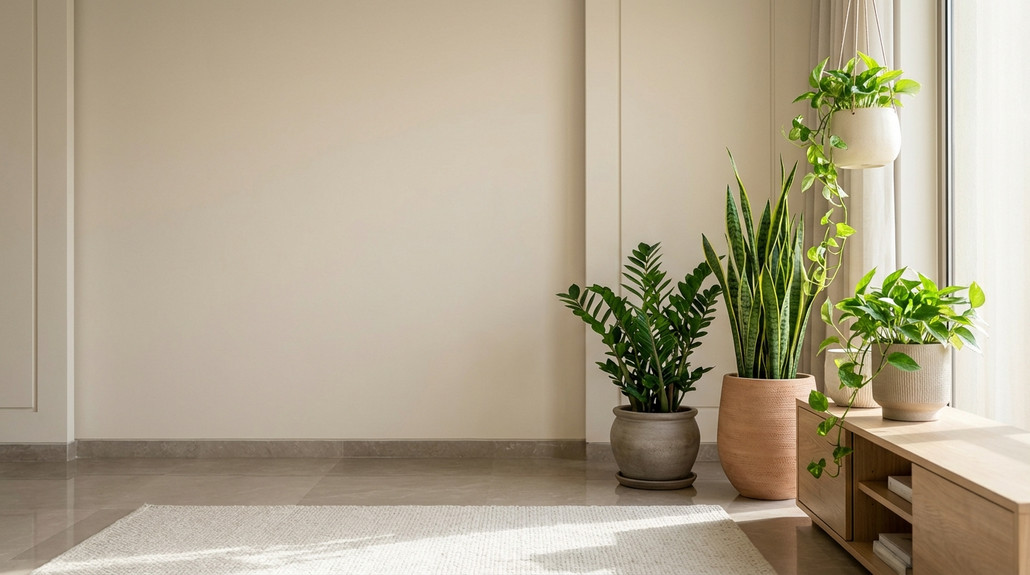
Indoor Plants That Survive Neglect and Irregular Care in Saudi Arabia Homes
Posted by Mozher Expoerts on 25.02.26
The Saudi Arabian Indoor Climate: A Unique Challenge for Indoor Plants
In Saudi Arabia, the pursuit of lush indoor greenery often meets a formidable adversary: the very environment we create for comfort. While the scorching outdoor heat is undeniable, the true challenge for most houseplants lies within our air-conditioned homes and offices. Constant use of the AC, or السبلت, drastically reduces ambient humidity, transforming our interiors into an artificially arid microclimate. This dry air rapidly wicks moisture from plant leaves and soil, often leading to confusion for plant owners. A plant might appear thirsty on the surface due to accelerated evaporation, yet remain waterlogged at the root level, a recipe for root rot. Adding to this, the relentless dust, or الغبار, can settle on foliage, impeding photosynthesis and overall plant health. The key to success is not to find plants that love these conditions, but rather to select species that are inherently resilient, forgiving of our dry, climate-controlled reality, and able to thrive with less-than-constant attention.
Characteristics of Truly Neglect-Tolerant Indoor Plants
The term "low-maintenance" is often misunderstood. For a plant to genuinely qualify as such in our specific environment, it must possess biological adaptations that enable it to withstand common challenges like inconsistent watering, low humidity, and variable light. These are not merely plants that survive neglect; they are plants that thrive when left largely to their own devices, requiring minimal fuss and intervention. Such species typically have efficient water storage mechanisms, whether in thick leaves, fleshy stems, or robust root systems. They are often native to arid or semi-arid regions, or environments where light is not consistently abundant. For residents in Saudi Arabia, this translates to plants that are unfazed by dry air and prolonged periods between waterings. Choosing from exceptionally hardy plants ensures you select companions genuinely equipped for the unique conditions of our modern homes.
Snake Plant (Sansevieria trifasciata)
Also known as Mother-in-Law's Tongue, the Snake Plant is the epitome of resilience. Its upright, sword-like leaves are not just an aesthetic feature; they are highly efficient at storing water, allowing it to easily go for weeks, sometimes even months, without a drink. This drought tolerance makes it impervious to the dry air produced by constant air conditioning. Furthermore, it is incredibly versatile with light, thriving in anything from dim corners to bright, indirect light. Its structural form and minimal needs make it perfect for adding a modern, sculptural touch to any room.
ZZ Plant (Zamioculcas zamiifolia)
The ZZ Plant is arguably one of the most indestructible houseplants. Its glossy, dark green leaves emerge from large, potato-like rhizomes hidden beneath the soil. These rhizomes are natural water reservoirs, enabling the plant to endure extended periods of drought without showing signs of stress. This makes it an ideal choice for busy individuals or frequent travelers who might forget to water. The ZZ Plant performs excellently in plants that tolerate low light conditions and is completely unfazed by the dry air from AC units. Its slow, steady growth means it won't outgrow its space quickly and requires minimal pruning.
Pothos (Epipremnum aureum)
Often called Devil's Ivy, the Pothos is a versatile and forgiving trailing plant. While it appreciates more consistent moisture than the Snake or ZZ Plant, it communicates its needs clearly: its leaves will visibly droop when thirsty, and it quickly perks up once hydrated. This clear signal helps prevent both underwatering and overwatering, making it an excellent learning plant for beginners. Pothos adapts to a wide range of lighting conditions, from low to bright indirect light, and handles the average dry indoor air well. Its fast-growing vines can trail from shelves or hanging planters, adding dynamic greenery to any space.
Establishing a Minimum Care Routine: Less Is Often More
Successful care for low-maintenance plants isn't about a rigid schedule, but rather a minimalist approach guided by observation. The most common mistake is over-caring, especially overwatering. These resilient species thrive when largely left alone, and attempting to 'nurture' them too frequently can lead to their demise. Your care routine should focus on meeting their fundamental needs sparingly but effectively, ensuring their long-term health in an indoor environment. For comprehensive guidance on keeping your plants healthy and thriving, referring to our comprehensive plant care guidance can be immensely helpful.
Watering: Check the Soil, Not the Calendar
Abandon any fixed watering schedule. In an air-conditioned Saudi home, soil dries at inconsistent rates. The golden rule is to always check the soil moisture before watering. Insert your finger two inches deep into the soil. If it feels completely dry, then it's time for a thorough watering until water drains from the bottom. If there's any moisture, wait another few days and check again. For plants like the ZZ and Snake Plant, it's safer to wait a week longer than to water too soon. Discard any excess water from the saucer promptly to prevent root rot.
Light and Placement: Consistency and Protection
Even drought-tolerant plants need appropriate light. Most low-maintenance options prefer bright, indirect light. This means a spot in a well-lit room but out of the direct path of harsh sunbeams, especially from south or west-facing windows which can be intense in Saudi Arabia. Conversely, ensure the plant isn't in a dark corner where it receives almost no natural light. Crucially, position plants away from direct airflow from AC vents. The constant cold, dry blast can stress foliage, leading to browning and leaf drop. Once you find a suitable spot, try to keep the plant there; frequent relocation causes stress.
Cleaning and Fertilizing: Simple and Infrequent
Dust accumulation is a constant in our region, and a layer of dust on leaves can hinder photosynthesis. Gently wipe the leaves with a soft, damp cloth every few weeks to keep them clean and efficient. Fertilization is a minor consideration for these hardy plants. A balanced liquid fertilizer, diluted to half-strength, applied once or twice during the active growing season (spring and summer) is usually more than sufficient. Avoid fertilizing in winter when growth naturally slows.
Red Flags: When You're Doing Too Much for Your Plants
With resilient plants, excessive care is often more detrimental than too little. Recognizing the signs of over-caring is a vital skill for long-term plant health. Many symptoms of overwatering, for instance, can be mistakenly attributed to thirst, leading to a worsening cycle. Learning these cues allows you to adjust your approach and give your plants the space they need to thrive.
Overwatering: The Silent Killer
This is the primary reason truly hardy plants fail. Symptoms include yellowing leaves (especially lower ones) that feel soft and limp, not crispy. The base of the stem might become mushy, and you may notice a foul, musty smell from the soil. Fungus gnats (small black flies) are also a common indicator of consistently wet soil. If you observe these signs, stop watering immediately, ensure good drainage, and let the soil dry out completely. Sometimes, removing the plant from its pot to allow the root ball to air out can be necessary.
Over-fertilizing and Inappropriate Light
Too much fertilizer can burn the roots, leading to brown, crispy leaf edges or stunted growth, even if the watering is correct. If you see a white, crusty buildup on the soil surface, it's often a sign of excess salts from over-fertilization. Flush the soil by watering thoroughly until much water drains out, then avoid fertilizing for several months. Similarly, placing a low-light tolerant plant in intense, direct sun can scorch its leaves, causing pale or burnt patches. Conversely, a plant desperately stretching towards a window with pale, sparse leaves is signaling insufficient light. Always remember that for these plants, less intervention is typically better than more.
Scenario-Based Plant Picks for Your Saudi Home
Selecting the right plant also means matching its characteristics to the specific conditions and purpose of different areas within your home or office. Mozher curates a range of plants with these considerations in mind, ensuring suitability for various indoor environments.
For the Desk or Office Corner
An office environment typically features artificial lighting and dry, air-conditioned air. Compact Snake Plants (like the 'Hahnii' variety) or small ZZ Plants are perfect choices. They require minimal space, tolerate low light, and are forgiving of irregular watering during busy workweeks or travel. Explore our selection of plants suitable for office and desk settings that thrive in these conditions.
For the Bedroom
Bedrooms often have lower light levels and are places of rest. Snake Plants are an excellent choice due to their unique ability to release oxygen at night, contributing to better air quality. Their minimal care needs also mean they won't add to your evening routine, allowing for a serene environment.
For a Living Room or Entryway
To create a welcoming green statement without the fuss, a taller Snake Plant or a large ZZ Plant can fill a living room corner with architectural grace. Pothos, with its trailing vines, is ideal for shelves or high ledges, adding a cascade of green that handles fluctuating light and dry air reasonably well.
The Single Rule to Prevent Plant Loss
To ensure long-term success and minimize frustration, embrace this fundamental principle: choose a plant for the environment you currently have, not the one you wish you had. Do not purchase a humidity-loving fern if your home is constantly cool and dry from AC. Do not buy a sun-worshipping succulent if your living room is primarily in indirect light. Be honest about the actual conditions in your home – the light levels, the effects of air conditioning, and the time you realistically have for care. Mozher's our curated collection of indoor plants are selected with these local realities in mind, giving you the best starting point. Begin your plant journey with one or two truly low-maintenance options, learn their rhythms, and build your confidence before exploring more demanding species. This simple selection strategy is the most effective way to prevent plant loss and cultivate a thriving indoor garden.
Frequently Asked Questions
How often should I really water a low-maintenance plant in an AC-cooled room?
Forget a fixed schedule. The correct frequency depends entirely on how quickly the soil dries out in your specific environment. For resilient plants like the Snake Plant or ZZ Plant in an air-conditioned room, this could mean watering as infrequently as once every 3-6 weeks. For a Pothos, it might be every 2-3 weeks. Always check the top 2-3 inches of soil with your finger; if it's completely dry, then water thoroughly. When in doubt, it's always better to wait a few more days.
Can these hardy plants survive on only artificial office light?
Yes, many low-maintenance plants, including the Snake Plant and ZZ Plant, are highly efficient at photosynthesis and can sustain themselves under standard fluorescent or LED office lighting for extended periods. While they may grow slower than they would with some natural light, they will remain healthy and provide greenery in windowless spaces. They are excellent choices for modern office environments.
What are the immediate signs that I am overwatering my plant?
The most common signs of overwatering are yellowing leaves, especially on the lower parts of the plant, which may feel soft and limp. The plant might also appear wilted even though the soil is wet. You may notice a musty odor from the soil, or small flying insects (fungus gnats) attracted to the perpetually damp conditions. If you see these signs, stop watering immediately and allow the soil to dry out completely before attempting to water again. Proper drainage is crucial, so consider checking your pots with proper drainage for blockages.
Why do the tips of my plant's leaves turn brown and crispy in an AC environment?
While sometimes a sign of underwatering, in air-conditioned homes, crispy brown leaf tips are most commonly caused by low humidity. The dry air from the AC unit pulls moisture from the leaves faster than the roots can supply it. For the low-maintenance plants mentioned, this is often a cosmetic issue rather than a sign of serious distress. You can mitigate it by grouping plants, using a pebble tray, or ensuring plants are not in a direct AC draft.