


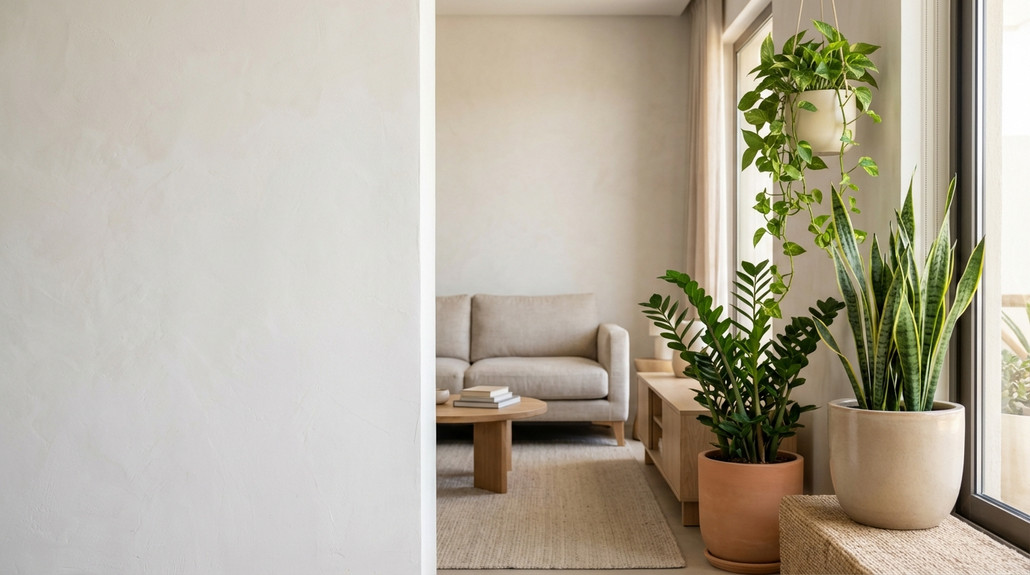
Indoor Plants That Survive Neglect and Irregular Care in Saudi Arabia Homes
Posted by Mozher Expoerts on 01.03.26
The Challenge of Keeping Indoor Plants Alive in Saudi Arabia
The desire to infuse our homes and offices across Saudi Arabia with the calming presence of vibrant indoor plants is a deeply natural pursuit. These green spaces don't just adorn our interiors; they offer a sense of peace and a tangible connection to nature. However, the journey of cultivating thriving indoor plants here comes with a distinct set of environmental challenges, markedly different from general plant care advice often tailored for more temperate climates. During Saudi Arabia's long, scorching summers, our indispensable air conditioning systems, widely known locally as the "السبلت" (Al-Sablat), create a comfortable indoor escape for us, but simultaneously craft an artificially arid microclimate for our beloved green companions.
This constant dehumidification, paired with potential cold drafts from vents and the pervasive fine dust (غبار) that frequently settles on foliage, presents an unseen battleground for even the most resilient flora. As a senior indoor-plant specialist and horticulture educator at Mozher, I've observed countless plant owners in Saudi Arabia struggle, often with the best intentions, because their care routines don't adequately account for these local realities. Plants often endure significant stress during their journey from the nursery to their new home, and the mineral content in local tap water can also present unique challenges. This guide aims to bridge that gap, offering climate-aware recommendations to ensure your chosen low maintenance indoor plants don't merely survive, but genuinely flourish within the specific conditions of your Saudi Arabian home or office. It's about empowering you with practical insights that resonate with our unique environment, leading to healthier plants, fewer losses, and a truly vibrant indoor oasis.
Champions of Resilience: Truly Low-Maintenance Indoor Plants for Saudi Homes
For the unique indoor environments of Saudi Arabian homes, especially those that might contend with limited natural light or constant air conditioning, selecting plants that are naturally robust is paramount. We need varieties that can tolerate less frequent watering, adapt gracefully to varied light levels, and remain largely unfazed by the pervasive dry air produced by continuous AC use. These are the genuine survivors – plants that are truly neglect tolerant, drought tolerant, and exceptionally hardy – making them ideal companions for busy individuals, beginners, or anyone embarking on their indoor gardening journey in Saudi Arabia. Our recommendations prioritize qualities like intrinsic drought tolerance, exceptional low light tolerance, and minimal routine care, ensuring your indoor plants thrive with minimal fuss. For a wider array of robust greenery, explore Mozher's exceptionally hardy indoor plants that excel in challenging conditions.
Snake Plant (Sansevieria trifasciata): The Ultimate Neglect-Tolerant Survivor
The Snake Plant, widely recognized as Mother-in-Law's Tongue, truly defines the gold standard for an exceptionally hardy indoor plant. Its distinctive upright, sword-like leaves are not only aesthetically striking, adding a modern, sculptural element to any room, but they are also incredibly efficient natural reservoirs, adept at storing water for extended periods. This remarkable ability allows the plant to thrive for weeks, or even months, without requiring a drink, making it practically immune to the dry air created by constant air conditioning. What makes it even more appealing for homes with fluctuating or low light is its extraordinary versatility across various light levels; it flourishes equally well in dimly lit corners as it does in bright, indirect light. This adaptability makes it an exceptional choice for various spots within a Saudi home, including those challenging deep interior rooms or hallways. The most common pitfall with a Snake Plant is, ironically, overwatering, which can rapidly lead to root rot. Its needs are genuinely minimal, typically requiring only an occasional wipe-down of its leaves to ensure efficient light absorption and to combat the fine dust (غبار) often found indoors. This plant embodies the very essence of a neglect tolerant companion.
ZZ Plant (Zamioculcas zamiifolia): Effortless Elegance in Low Light
If your quest is for an indoor plant that is nearly impossible to compromise, even in persistently challenging low-light conditions, the ZZ Plant is your definitive answer. Its signature glossy, dark green leaves emerge gracefully from large, potato-like rhizomes, which are cleverly concealed beneath the soil surface. These rhizomes function as natural water batteries, enabling the plant to endure remarkably long periods of drought with exceptional ease. This inherent resilience makes it an ideal choice for busy individuals, frequent travelers, or anyone who tends to occasionally forget their watering routine. The ZZ Plant truly excels in consistently low light, positioning it as a perfect candidate for deeper interior rooms or apartments where natural illumination is inherently limited. It remains completely unfazed by the dry airflow from السبلت units, showing no visible signs of stress or discomfort. Its characteristically slow, steady growth rate means it will maintain its elegant form without quickly outgrowing its designated space, thus requiring minimal pruning or repotting for many years. For any Saudi Arabian home space that demands an enduring touch of stylish greenery, even in the dimmest conditions and through prolonged periods of inattention, this hardy plant is a prime candidate. You can find more plants that thrive in lower light at Mozher.
Pothos (Epipremnum aureum): The Forgiving Trailing Plant
Often endearingly referred to as "Devil's Ivy," the Pothos is an incredibly versatile and remarkably forgiving trailing plant, making it a standout choice for apartments and homes in Saudi Arabia. While it does appreciate more consistent moisture compared to the Snake or ZZ Plant, its most significant virtue lies in its unequivocal communication: its vibrant leaves will visibly begin to droop when the plant is thirsty, providing an unmistakable signal that it needs attention. Crucially, it quickly revives and perks up once thoroughly hydrated, removing much of the guesswork from the watering process. This clear feedback mechanism makes it an excellent, beginner-friendly option for low maintenance indoor plants. Pothos demonstrates impressive adaptability across a broad spectrum of lighting conditions, ranging from low light corners to brighter, indirect light, and it copes commendably with the average dry indoor air found in AC-cooled homes. It does, however, appreciate an occasional gentle wipe-down of its leaves to maintain its lush, verdant appearance and help it breathe. Its relatively fast growth rate offers dynamic greenery; they can be left to cascade elegantly from shelves or hanging planters, adding a sense of abundance and natural charm to any space with minimal ongoing fuss. This inherent flexibility and resilience firmly establish Pothos as a reliable and aesthetically pleasing addition to virtually any Saudi Arabian home.
Spider Plant (Chlorophytum comosum): An Air Purifier and Pet-Friendly Choice
The Spider Plant holds its classic status for excellent reasons: it is remarkably easy to care for and produces charming "spiderettes" that can be effortlessly propagated, adding a delightful and interactive element to any home. Its adaptability to various light levels, from bright indirect to medium light, makes it a flexible choice for different areas within a Saudi home, though it typically flourishes best with consistent indirect light for optimal leaf variegation. While it enjoys slightly more humidity than some of the arid-adapted plants on this list, it tolerates the dry Saudi Arabian indoor air reasonably well and is quite forgiving of an inconsistent watering schedule. Beyond its aesthetic appeal and ease of care, the Spider Plant is highly regarded for its air-purifying qualities, actively helping to remove common indoor toxins from the environment, thereby contributing to a healthier living space. Furthermore, and of significant importance for many households, it is non-toxic to both pets and children, making it a fantastic choice for family-friendly homes. You can explore more pet-safe indoor plants at Mozher to ensure a harmonious and secure environment for all inhabitants.
Cacti and Succulents: Masters of Arid Environments
Cacti and the majority of succulents are inherently adapted to thrive in arid regions, making them natural champions for indoor environments in Saudi Arabia. Their biological design allows them to withstand intense heat and endure prolonged periods of drought with remarkable ease. They achieve this by efficiently storing water within their fleshy leaves or stems, enabling them to go for very extended durations—often weeks to months—without requiring additional water. While many varieties truly flourish in bright, direct sunlight, a significant number of them are also quite tolerant of bright indirect light. This makes them versatile options, suitable for sunny windowsills that might prove too harsh for other plant types, or even placed slightly away from the immediate window. The paramount factor for their success indoors in Saudi Arabia is the provision of extremely well-draining soil and a watering routine that is exceptionally infrequent. Overwatering is almost universally fatal for these resilient plants, quickly leading to root rot. Their diverse and often sculptural forms, coupled with their minimal care requirements, make them excellent choices for those seeking unique, low maintenance indoor plants that can not only survive but truly thrive in even the warmest and driest spots within a Saudi Arabian home. They stand as a testament to natural resilience under demanding conditions, perfectly embodying drought tolerant qualities.
Minimum Care Routine: Just Enough, Not Too Much
The secret to cultivating happy, low-maintenance indoor plants in Saudi Arabia isn't about ignoring them entirely; it's about understanding their fundamental needs and diligently resisting the urge to over-care for them. Often, plant owners, with the very best intentions, end up doing too much, resulting in more harm than good. The key is a focused, intentional routine that respects the plant's natural resilience and intrinsic ability to tolerate some neglect, which is especially crucial in our challenging climate where plants are often under subtle stress.
The Golden Rule: Check Soil Moisture Deeply, Every Time
Abandoning a fixed, calendar-based watering schedule is absolutely paramount for success in our climate. Instead, adopt a meticulous, observation-based approach: the golden rule is "check the soil, deeply, before every single watering." Insert your finger approximately 5-7 centimeters (2-3 inches) into the potting mix. If it feels completely dry, powdery, or crumbly to the touch, then and only then is it genuinely time for a thorough drink. If there is any lingering moisture or discernible coolness, even slight dampness, wait patiently for a few more days. For particularly drought-tolerant plants, this might mean waiting an extra week or two after the soil surface has visibly dried. This manual check is far more reliable than any calendar, as it accounts for the fluctuating drying rates influenced by your home's unique السبلت usage and specific light conditions. For absolute clarity and peace of mind, investing in a reliable moisture meter can prove to be an invaluable tool, entirely removing any guesswork from your essential watering routine.
Red Flags That Mean You’re Doing Too Much
- Yellowing, Mushy, or Limp Leaves: This is the classic, unequivocal sign of overwatering. In AC-cooled homes, soil dries very slowly. Adding water to soil that is already saturated suffocates the roots, leading to root rot. For low-maintenance indoor plants in Saudi Arabia, less is almost always more when it comes to watering.
- Crispy Brown Tips and Edges, Even With Moist Soil: This indicates critically low ambient humidity, a common and persistent issue with continuous AC use. Misting alone offers only fleeting relief. Instead, try grouping plants to create a beneficial microclimate or placing the pots on pebble trays filled with water (with care to ensure the pots do not sit in standing water). Moving plants away from direct السبلت vents is also vital.
- Leggy, Sparse, and Pale Growth: If your plant is stretching dramatically towards a window with dull, small leaves, it's likely not receiving enough light. However, do not overcompensate by placing it immediately in harsh, direct sun, which can burn its leaves easily.
- White Crust on Soil Surface: This often signifies mineral salt buildup from local tap water or excessive fertilization. Flush the soil thoroughly with distilled or filtered water occasionally, and consider significantly reducing fertilizer application. Fertilizing a stressed plant will almost certainly worsen its condition.
- Sudden Leaf Drop: This is frequently a sign of severe environmental shock – too much change too quickly. Avoid immediate repotting of newly acquired plants and sudden, dramatic changes in their location. Plants need adequate time to acclimate to a new environment, especially after experiencing delivery stress common for indoor plants in Saudi Arabia.
Scenario-Based Picks: The Perfect Low-Commitment Solution for Every Corner
Selecting the ideal low maintenance indoor plant isn't solely about its inherent toughness; it's about meticulously matching its natural tendencies with the specific conditions and intended purpose of different areas within your Saudi Arabian home or office. By thoughtfully considering these distinct scenarios, you can confidently choose a plant that will naturally excel, thereby minimizing your effort and maximizing your enjoyment of vibrant indoor greenery.
For Your Busy Desk or Home Office
Your workspace deserves a touch of green that inspires calm and focus without demanding your precious time. For office and desk plants, resilience and a compact nature are key. Snake Plants and ZZ Plants are perfect choices, offering significant architectural appeal and exceptional hardiness in conditions ranging from low to medium indirect light. Their characteristically slow growth rate means less frequent pruning and minimal repotting for many years. Pothos also thrives, its elegantly trailing vines can soften the often-harsh lines of furniture and tolerating diverse light conditions. Mozher offers a curated selection of plants ideal for office desks, chosen for both their aesthetic appeal and their effortless care requirements.
For Living Rooms and Entryways
These areas often benefit from larger, more impactful plants that make a distinct statement and add character. Here, taller Snake Plants or a robust ZZ Plant can command attention with their strong, vertical lines or lush, dark green foliage, adding significant visual weight to the space. These prominent spots typically receive more ambient light, often bright but indirect, which are conditions that suit these resilient indoor plants perfectly. Pothos also excels when used as a hanging plant or allowed to trail elegantly from higher shelves, adding dynamic greenery and a sense of abundance and natural charm to any space with minimal ongoing fuss. The key for these areas is to select hardy plants that can confidently handle brighter—but still indirect—light and are inherently capable of tolerating the general dry indoor air without the constant need for misting. Remember to rotate them occasionally to ensure even, balanced growth and consistent light exposure for your indoor plants in Saudi Arabia.
For Naturally Dim or Low-Light Corners
Many areas within Saudi Arabian homes and offices naturally receive limited natural light due to building design or window orientation. For these dim corners, selecting plants that naturally adapt to shaded understories is vital. The ZZ Plant and Snake Plant are unparalleled champions here. They require only minimal light to perform photosynthesis and will not become leggy or weak in dimmer settings. Both maintain their dense foliage and strong, architectural form, providing a robust green accent even in less-than-ideal lighting. They are perfect for bringing life to hallways, bathrooms (which often lack windows), or deeper living room corners that rarely see direct sunlight. Explore Mozher's collection of plants that thrive in lower light for ideal options.
Comparison Table: Top Low-Maintenance Indoor Plants for Saudi Arabian Homes
| Plant Name | Light Tolerance | Watering Frequency (AC Home) | AC / Dry Air Tolerance | Growth Rate | Toxicity (Pet/Child Safety) |
|---|---|---|---|---|---|
| Snake Plant (Sansevieria) | Low to Bright Indirect | Very Low (3-6 weeks) | Excellent | Slow | Mildly Toxic |
| ZZ Plant (Zamioculcas zamiifolia) | Low to Bright Indirect | Very Low (4-8 weeks) | Excellent | Very Slow | Mildly Toxic |
| Pothos (Epipremnum aureum) | Low to Bright Indirect | Medium (1-2 weeks) | Good | Medium to Fast | Mildly Toxic |
| Spider Plant (Chlorophytum comosum) | Medium to Bright Indirect | Medium (1-2 weeks) | Good | Medium | Non-Toxic |
| Cactus & Succulents | Bright Direct to Indirect | Very Low (weeks to months) | Excellent | Slow | Varies (most non-toxic, some irritating) |
A Simple Selection Rule to Prevent Plant Loss in Saudi Arabia
To ensure a truly successful and profoundly rewarding experience with your indoor plants in a Saudi Arabian apartment or office, always remember this fundamental and often overlooked rule: meticulously choose a plant that genuinely suits the environment you currently have, rather than solely based on the environment you wish you possessed. Be rigorously honest with yourself about the true, prevailing light levels present in your rooms, the continuous and often relentless impact of the AC (السبلت) on the overall air dryness, and the realistic amount of time and attention you can genuinely dedicate to consistent plant care. Do not fall into the common trap of acquiring a plant that inherently demands tropical humidity and bright, direct sunlight if your specific space is consistently dry and receives filtered light. This profoundly practical approach not only prevents considerable frustration and disappointment but also actively ensures that you cultivate a genuinely rewarding and thriving indoor garden that truly harmonizes with your unique living space. At Mozher, our collection of indoor plants is specifically selected with these precise local realities in mind, thereby providing you with the most optimal starting point for your green journey. With our climate-aware recommendations, thoughtfully paired with essential tools and products like pots with proper drainage and a reliable moisture meter, you will be exceptionally well-equipped to provide the best possible care. Remember that healthy plants truly enrich our homes and offices, offering a profoundly calming presence and a tangible connection to nature, even in the most urban and continuously air-conditioned settings. Embracing this holistic philosophy translates directly into fewer plant losses and more enduring enjoyment from your resilient green companions for many years to come.
Frequently Asked Questions About Indoor Plants in Saudi Arabia
How can I tell if yellowing leaves are from overwatering or underwatering in an AC-cooled room in Saudi Arabia?
This is a critical distinction in Saudi Arabia's climate. If the yellow leaves are soft, limp, and mushy, and the soil feels wet to the touch even days after watering, this strongly indicates overwatering. The cool air from the السبلت significantly slows water evaporation, trapping moisture. Conversely, if the yellow leaves are dry, crispy, and brittle, and the soil is bone-dry, it's a sign of underwatering. Always check the soil moisture deeply with your finger or using a reliable moisture meter before diagnosing the problem or adding water. Understanding this difference is paramount to providing the correct care for your indoor plants in Saudi Arabia.
Can yellow leaves ever revert to their green color?
Unfortunately, once a leaf has turned definitively yellow, the cells responsible for producing chlorophyll have typically died, and it rarely reverts to green. The best approach is to address the underlying cause of the yellowing. Once the issue is resolved, your plant will wisely redirect its energy towards producing new, healthy green growth. You can prune off any severely yellowed or damaged leaves to encourage this fresh growth and improve the plant's overall appearance and vigor. Focus your efforts on the future health of your plant rather than attempting to reverse existing, irreversible damage.
My plant has yellow leaves but also brown, crispy tips. What's the problem in a Saudi Arabian home?
This common symptom combination observed in Saudi homes typically points towards critically low ambient humidity levels, primarily caused by the continuous operation of air conditioning. The dry air extracts moisture from the leaves faster than the roots can supply it, resulting in the characteristic dry, brown, and crispy tips, even if the soil itself is adequately moist. While ensuring proper watering is fundamental, the primary and most impactful solution is to actively increase the humidity surrounding the plant. Consider grouping plants together to create a localized microclimate, or utilize pebble trays filled with water beneath the pots (ensuring the pot bases do not sit directly in standing water). Additionally, keeping the plant well away from direct السبلت vents is crucial. Mineral buildup from local tap water can also sometimes contribute to the appearance of brown tips. For more information on dealing with plant problems in hot climates, the Clemson University Home & Garden Information Center offers valuable guidance.
What are the best beginner-friendly indoor plants for Saudi Arabia?
For Saudi Arabian homes, especially for beginners, you need indoor plants that tolerate low humidity and are forgiving of inconsistent watering. Excellent choices include the Snake Plant (Sansevieria), ZZ Plant (Zamioculcas zamiifolia), and Pothos (Epipremnum aureum). These species are celebrated for their natural hardiness, enabling them to confidently withstand the dry, air-conditioned environments prevalent in Saudi Arabia, and they frequently thrive in the lower light conditions often found indoors. Mozher's exceptionally hardy indoor plants collection includes numerous ideal options specifically chosen to build confidence in new plant owners. For a more profound understanding of general plant physiology and care, you can also consult reliable horticulture resources such as the Missouri Botanical Garden's plant care guides.