


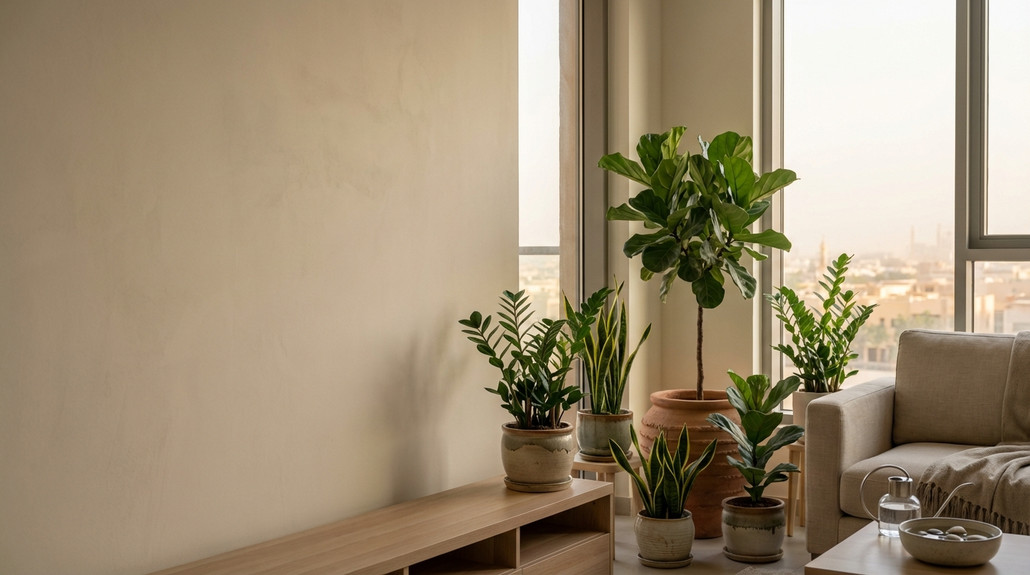
Why Indoor Plant Leaves Turn Yellow and What to Do in Iraq Homes
Posted by Mozher Expoerts on 08.03.26
The Unique Climate Challenge: Nurturing Indoor Plants in Iraq's AC-Dependent Homes
Bringing the calming presence of nature indoors is a deeply cherished aspiration for many in Iraq. Our homes and offices often serve as personal havens from the scorching summer heat, where the indispensable air conditioning unit—locally known as Al-Sablat (السبلت)—hums continuously, providing essential refuge. However, this very comfort paradoxically creates a challenging microclimate for our cherished indoor plants. This stark contrast between the arid outdoors and the artificially cool, exceptionally dry indoor environment profoundly impacts a plant's delicate needs, often leading to slow decline rather than thriving growth.
Many passionate plant owners, despite their best intentions, find their plants struggling. This disheartening sight rarely stems from a lack of genuine care; instead, it frequently arises from a fundamental misunderstanding of how Iraq's distinct local environment truly shapes a plant's physiological demands. The relentless dehumidification by the Al-Sablat actively strips moisture from the air, often reducing indoor humidity levels far below the ideal 40-60% range where most tropical indoor plants naturally thrive. This persistent dry air, coupled with potential cold drafts from AC vents, the pervasive fine dust (غبار) that inevitably settles on foliage, and the inherent stress plants endure during delivery, all contribute to an unseen battleground for even the most resilient flora. Generic plant advice, typically crafted for more temperate regions, simply won’t suffice here. Our aim at Mozher is to guide you, whether you're a seasoned enthusiast or just starting, to cultivate thriving indoor plants by truly understanding their needs in a climate like Iraq's. For a foundational understanding of how to address these challenges effectively, explore our comprehensive guide on effective indoor plant problem solutions.
Why Indoor Plant Leaves Turn Yellow: A Detailed Diagnostic Path in Iraq Homes
Few sights are as disheartening to a plant owner as vibrant green leaves slowly morphing into a sickly yellow. While yellowing leaves are a common symptom across many plant ailments, in Iraq's unique climate and AC-heavy homes, certain causes are far more prevalent. The key to successful recovery lies in precise diagnosis. Don't panic; instead, approach the situation systematically. This section will walk you through the most common reasons for yellowing foliage and how to pinpoint the specific issue affecting your plant.
Overwatering vs. Underwatering: The Most Common Confusion
This is, without a doubt, the number one culprit behind yellowing leaves in Iraqi homes. The continuous use of the Al-Sablat slows down soil evaporation dramatically. Many new plant owners, accustomed to the external dryness, assume their indoor plants need frequent hydration. However, this often leads to a subtle yet deadly cycle of overwatering. If your plant’s leaves are turning yellow, soft, and mushy, especially the lower leaves, and the soil feels wet to the touch even days after watering, overwatering is highly likely. Conversely, if the yellow leaves are dry, crispy, and brittle, and the soil is bone-dry and visibly pulling away from the pot, it's a clear sign of underwatering. Always perform the "finger test" – insert your finger about 5-7 centimeters (2-3 inches) deep into the soil. Water only if it feels dry. For enhanced accuracy, a reliable moisture meter can provide an objective reading deep within the root zone, taking the guesswork out of watering decisions.
Light Issues: Too Much or Too Little Sun
Iraq's intense sun can be a dual-edged sword indoors. Direct, unfiltered sunlight streaming through a window can easily scorch delicate leaves, leaving them bleached, pale yellow, or with crispy brown patches, resembling sunburn. Conversely, too little light will lead to yellowing, often uniformly distributed across the plant, accompanied by leggy, stretched-out growth with noticeably smaller, paler new leaves. Your plant might also visibly "reach" dramatically towards the nearest light source. Most indoor plants prefer bright, indirect light. Observe how sunlight moves through your rooms. If your plant is too close to a sunny window, move it back a few feet or add sheer curtains. For naturally dim spaces, consider selecting plants that thrive in lower light conditions from the outset.
Nutrient Deficiencies: A Less Common but Possible Cause
While often less common than watering or light issues, nutrient deficiencies can also manifest as yellowing leaves. A lack of nitrogen, for instance, typically causes older leaves to yellow evenly. Iron deficiency, on the other hand, can lead to yellowing between the veins (interveinal chlorosis) on newer leaves, with the veins remaining green. Over-fertilization is actually a more frequent issue for stressed plants, often causing root burn and similar yellowing symptoms. It’s crucial not to assume a struggling plant is hungry. If you suspect a nutrient issue after ruling out watering and light problems, consider a balanced, diluted liquid fertilizer during the active growing season, and remember to always water before fertilizing. Mozher offers quality potting mixes and tools to ensure your plants get a healthy start.
Pest Infestations: Tiny Troubles, Big Impact
Tiny pests can wreak havoc on your indoor plants, and yellowing leaves are a common sign. Spider mites, which thrive in the dry, low-humidity environments often found in Al-Sablat cooled homes, suck sap from leaves, causing tiny yellow stippling that eventually leads to widespread yellowing and browning. Mealybugs, aphids, and scale insects also cause discoloration and weakness. Always inspect the undersides of leaves, stems, and new growth carefully for any signs of insects, sticky residue, or fine webbing. Early detection is paramount. Isolate the affected plant immediately to prevent spread and treat promptly with appropriate, safe insecticidal soap or neem oil.
Decoding Other Common Symptoms: Beyond Just Yellowing Leaves
Indoor plants communicate their needs through a variety of visual cues. Understanding these signals, beyond just yellowing, is essential for proactive care and swift intervention in Iraq’s unique environment.
Brown Tips and Edges: A Humidity and Water Quality Signal
Crispy brown tips or edges on otherwise green leaves are a classic indicator of low humidity, an extremely common problem in Al-Sablat cooled Iraqi homes. The dry air aggressively pulls moisture from the leaves, causing them to dry out. Direct drafts from the AC vents can exacerbate this. Another potential cause is the accumulation of mineral salts from tap water, which can burn leaf edges. To combat this, increase local humidity by grouping plants together or using pebble trays. Consider letting tap water sit for 24 hours before use or using filtered water to reduce mineral buildup. Healthy root systems, supported by well-draining pots, are also vital for nutrient and water uptake.
Drooping Leaves: A Cry for Water (or Too Much of It)
Drooping leaves can be confusing because they can signal both severe underwatering and severe overwatering (due to root rot). The key is to check the soil moisture deeply. If the soil is bone dry and hard, the plant is thirsty. If the soil is waterlogged and mushy, root rot is likely suffocating the roots, preventing water uptake, leading to a similar drooping appearance. Temperature shock from direct Al-Sablat blasts can also cause temporary drooping. Always check the soil first, then assess the environment. A quick resolution for underwatering usually sees the plant perk up within hours.
Stunted or Leggy Growth: Signals for Light and Nutrients
If your plant is growing very slowly, or new leaves are significantly smaller and paler than older ones, it might be suffering from insufficient light. Plants stretch towards light sources, resulting in long, sparse stems with leaves spaced far apart – known as "leggy" growth. This is a common issue in dimly lit Iraqi apartments where plants are placed too far from a window. Conversely, stunted growth can also indicate severe nutrient deficiency (though less common than light issues) or a root-bound condition where roots have no room to expand. Ensure your plant is in a spot with appropriate light and consider if it's time for a slightly larger pot if roots are circling the bottom.
Root Rot: The Silent Killer Below the Surface
Root rot is a common and often fatal consequence of consistent overwatering, especially in Al-Sablat-cooled environments where soil dries slowly. Symptoms above ground include widespread yellow leaves (often soft and mushy), stunted growth, and a general drooping appearance, even when the soil is visibly wet. The most definitive test is to gently unpot the plant and inspect its roots. Healthy roots are typically firm, plump, and light-colored. Roots affected by rot will appear black, brown, slimy, mushy, and may emit a foul odor. If root rot is severe, it requires immediate intervention:
- Gently remove the plant from its pot and carefully shake off as much old, saturated soil as possible.
- With clean, sterile scissors or shears, meticulously trim away all black, mushy, or foul-smelling roots. Cut back until only healthy, firm tissue remains.
- If possible, gently wash the remaining healthy roots under lukewarm water to remove any lingering pathogens.
- Repot the plant into a fresh batch of quality, well-draining potting mix, ideally in a clean pot of the same size or slightly smaller. Always ensure the pot has adequate drainage.
- Water lightly after repotting to help settle the new soil, then allow the soil to dry out significantly before the next watering. Be extra vigilant with future watering schedules.
- Reduce light temporarily to minimize plant stress during this critical recovery timeline.
Addressing Pests and Fungus Gnats
Beyond spider mites, other pests can plague indoor plants. Fungus gnats, small black flying insects, are often a sign of consistently wet topsoil, indicating potential overwatering. They are more of an annoyance than a direct threat to the plant itself, but their presence signals a need to adjust watering habits. Whiteflies, mealybugs, and aphids also manifest as sticky residue or visible insects on the plant. For any pest issue, early detection is key. Isolate the plant, wipe down leaves with a damp cloth, and apply appropriate, safe treatments like neem oil or insecticidal soap. Preventing consistently wet soil is the best defense against fungus gnats, underscoring the importance of mindful watering.
Common Panic Mistakes to Avoid in Iraqi Homes
In the understandable rush to rescue a struggling plant, it is surprisingly easy to make well-intentioned yet ultimately detrimental mistakes. These common "panic reactions" can often worsen the situation rather than improve it, significantly delaying genuine recovery. Calmness and careful observation are key to effective solutions, especially with indoor plants in a challenging climate like Iraq. Understanding these common pitfalls is a crucial part of successful indoor plant care:
- Ignoring the "Finger Test": Relying on a fixed watering schedule instead of checking soil moisture deeply often leads to overwatering or underwatering, especially in Al-Sablat environments.
- Forgetting Drainage: Using pots without adequate drainage holes or allowing plants to sit in stagnant water is a direct route to root rot. Mozher's well-draining pots are designed to prevent this.
- Over-Fertilizing a Struggling Plant: A sick plant is rarely hungry; it's unwell. Adding more fertilizer can chemically burn already weakened roots and exacerbate the problem. Only fertilize healthy, actively growing plants, and always dilute fertilizer.
- Removing All Yellow Leaves at Once: While unsightly, yellowing leaves still contain some valuable nutrients that the plant can reabsorb to conserve energy. Only remove them when they have turned completely brown, become crispy, or if they clearly show signs of active disease or pest infestation.
- Frequent Relocation: Constantly moving a plant to drastically different light, temperature, or humidity conditions will only increase its stress. Find a good spot and stick with it for proper plant acclimation.
- Ignoring Dust on Leaves: The prevalent fine dust in Iraq can block stomata, hindering photosynthesis. Regular cleaning is crucial for proper airflow and plant health.
- Immediate Repotting of a Stressed Plant: Unless critical root rot is present, adding the stress of repotting to a plant already struggling with new environmental conditions or delivery stress can set back its recovery significantly. Allow a new plant 1-2 weeks to acclimate before considering repotting.
Prevention is Key: Cultivating Resilience in Hot Climates Like Iraq
The most effective strategy for managing indoor plant problems in Iraq is proactive prevention. By understanding and anticipating the challenges posed by our hot, dry climate and AC-dependent homes, you can create an environment where your plants not only survive but truly flourish. Mozher is dedicated to providing exceptionally hardy indoor plants that are well-suited to these conditions, but even the toughest plants benefit from thoughtful, consistent care.
Master Mindful Watering
Forget generic watering schedules. In Al-Sablat cooled homes, soil dries much slower than expected. Always use the "finger test" – checking the soil 5-7 cm deep – before watering. Water thoroughly when dry, allowing excess water to drain completely from the bottom of the pot. Never let your plant sit in standing water. This mindful approach prevents both overwatering (the leading killer) and underwatering. Consider a reliable moisture meter for added precision, especially with larger pots.
Optimize Light Placement
Understanding your home's light patterns is crucial. Direct, harsh Iraqi sunlight can scorch most indoor plants. Aim for bright, indirect light – a few feet from a sunny window or behind sheer curtains. Rotate your plants weekly to ensure even growth. For inherently dim areas, intentionally select plants that thrive in lower light conditions from the outset.
Boost Humidity Strategically
The Al-Sablat dramatically reduces indoor humidity. To counteract this drying effect, group your humidity-loving plants together to create small microclimates. Utilize pebble trays filled with water (ensuring pots are not sitting directly in water) to provide a consistent, gentle humidity boost. Most importantly, keep plants well away from direct blasts of cold, dry air from AC vents, as these are severely dehydrating.
Ensure Good Airflow and Cleanliness
Good air circulation is vital to prevent fungal issues, but avoid harsh drafts. Regularly dust your plant's leaves with a soft, damp cloth. The fine dust prevalent in Iraq can quickly accumulate, blocking the stomata and hindering photosynthesis. Clean leaves breathe better and absorb light more efficiently, boosting the plant's overall resilience. This simple act of cleanliness is a cornerstone of good plant health.
Choose the Right Plants from Mozher's Curated Collection
Starting with the right plants makes all the difference. Mozher curates a diverse range of indoor plants specifically selected for their resilience to hot, dry climates and AC environments. When selecting new plants, consider their natural hardiness, light requirements, and how forgiving they are with watering. For instance, plants from our pet-safe indoor plants collection are not only safe for your furry friends but often tend to be robust and adaptable. Matching the plant to your home's actual conditions and your lifestyle is the ultimate prevention strategy against common problems. For further practical advice on addressing problems in your Iraqi home, consider our article on common plant care mistakes in Iraq.
Symptom to Solution: Your Quick Diagnostic and Recovery Reference for Iraqi Homes
This table provides a concise overview of common indoor plant problems, their likely causes in Iraq's climate, and practical solutions. Remember, swift and accurate diagnosis is key to a plant's recovery.
| Symptom / Problem | Likely Causes in Iraq | Diagnostic Clues | Immediate Fix | Recovery Timeline | Prevention / Long-Term Care in Iraq |
|---|---|---|---|---|---|
| Yellow Leaves (Soft, Mushy, Drooping) | Overwatering, Root Rot | Soil remains wet for days; foul smell from soil; roots are black/slimy when unpotted. | Stop watering; unpot, trim rotten roots, repot in fresh, well-draining mix. | 2-4 weeks for new growth to appear after addressing root rot; existing yellow leaves may not recover. | Use a reliable moisture meter or deep finger test before watering; use pots with proper drainage; empty saucers immediately. |
| Yellow Leaves (Crispy, Dry, Brittle) | Underwatering, Low Humidity, Salt Burn | Soil is bone dry and hard; leaves may curl inward. Crispy edges on otherwise green leaves. White crust on soil surface or pot rim. | Water thoroughly; increase humidity (pebble trays, grouping plants); flush soil to remove salts; use filtered water. | Few hours to 1-2 days for drooping to resolve if underwatered. Salt burn damage is usually permanent on affected leaves. | Consistent deep watering based on soil dryness; strategic humidity management; use filtered or aged tap water. |
| Brown Tips and Edges | Low Humidity (Al-Sablat effect), Salt/Mineral Buildup in Water/Soil, Underwatering | Air is very dry (constant AC); white crust on soil/pot; soil might be dry. | Increase local humidity; flush soil heavily with filtered water; adjust watering if dry. | Existing damage won't reverse, but new growth will be healthy within 2-3 weeks if conditions are corrected. | Group plants; use pebble trays; avoid direct AC drafts; use filtered tap water or let tap water sit out for 24 hours. |
| Drooping Leaves (Not crispy) | Underwatering, Overwatering (early root rot), Temperature Shock (AC draft) | Check soil: bone dry (underwatering) or soggy (overwatering). Recent move or direct AC exposure. | Adjust watering (water if dry, let dry if wet); move away from direct AC draft. | Hours to 1 day for underwatered. Days to weeks for overwatered if root rot is mild. | Mindful watering; stable environment; avoid sudden temperature changes. |
| Stunted / Leggy Growth, Pale Leaves | Insufficient Light, Nutrient Deficiency (less common) | Plant stretching towards light; small, pale new leaves; plant far from light source. | Move to a brighter spot with indirect light; consider a diluted, balanced fertilizer if light is optimized and no other issues. | New, healthier growth visible in 2-4 weeks. Leggy growth is permanent but can be pruned for bushier growth. | Place plants in optimal light zones; rotate regularly; choose low-light tolerant plants for darker areas. |
| Pests (Spider Mites, Fungus Gnats) | Dry, low-humidity air (Spider Mites); consistently wet topsoil (Fungus Gnats) | Visible tiny insects, sticky residue, fine webbing; small black flies around soil. | Isolate; wipe leaves; treat with insecticidal soap or neem oil. Address underlying cause. | Immediate reduction in pest activity. Full eradication can take several treatments over weeks. | Regular leaf inspection & cleaning; avoid overwatering to deter fungus gnats; maintain good air circulation. |
Building Lasting Habits for Healthier Indoor Plants in Iraq
Successfully caring for indoor plants in Iraq is a continuous journey of learning and adaptation. It's not about adhering to a rigid daily schedule, but rather fostering a consistent routine of mindful observation and adaptable responses. This approach minimizes stress for both you and your plants, nurturing a flourishing indoor oasis year-round. It's about proactive engagement and understanding the subtle cues your plants provide.
Weekly Checkpoints
- Perform the Finger Test: Check the soil moisture of all your plants weekly, but only water those that are genuinely dry 5-7 centimeters (2-3 inches) deep. This helps maintain a healthy watering schedule tailored to Iraq's conditions.
- Rotate Plants: Give each plant a quarter turn weekly to ensure even light exposure and balanced growth, preventing lopsided development.
- Dust Leaves: Gently wipe down any dusty leaves with a soft, damp cloth. This is particularly important in Iraq's often dusty environment to ensure efficient photosynthesis and proper airflow.
- Inspect for Pests: Briefly check the undersides of leaves and stems for any early signs of pests. Early detection is your best defense against infestations that can thrive in dry air.
Monthly Checkpoints
- Assess Overall Growth: Observe if plants are putting out new, healthy growth or exhibiting any signs of distress (yellowing, browning, stunted growth).
- Fertilize (if growing actively): Only fertilize healthy, actively growing plants during spring and summer, using a diluted, balanced liquid fertilizer. Always water first to prevent chemical root burn. Mozher offers quality potting mixes and care essentials that support healthy growth.
- Flush Soil: Every few months, give your plants a thorough deep watering to flush out any accumulated mineral salts from the tap water, which can be high in our region. This helps prevent salt burn.
- Check for Root Bound: Gently lift plants from their pots to see if roots are circling tightly at the bottom. If so, it might be time for repotting into a slightly larger pot.
Frequently Asked Questions
How can I differentiate overwatering from underwatering in Iraq's AC homes?
This is a critical distinction in Iraq's climate, largely influenced by the Al-Sablat. If the yellow leaves are soft, limp, and feel somewhat mushy, and the soil remains wet to the touch even days after watering, this strongly indicates overwatering. The cool air from the Al-Sablat significantly slows water evaporation, trapping moisture around the roots. Conversely, if the yellow leaves are dry, crispy, and brittle, and the soil is bone-dry and visibly pulling away from the pot, it's a clear sign of underwatering. Always check the soil moisture deeply with your finger or using a reliable moisture meter before attempting to diagnose or add more water. Understanding this key difference is paramount to providing the correct care for your indoor plants in Iraq. For more comprehensive guidance, you can refer to the Clemson University Home & Garden Information Center: Indoor Plant Care.
What are the common signs of low humidity stress for plants in Iraq?
Low humidity stress, common in Iraqi homes due to the continuous use of the Al-Sablat, typically manifests as crispy, brown tips and edges on otherwise green leaves, even when the potting soil is adequately moist. You might also observe leaves curling inward or developing a general drooping as the plant actively tries to conserve moisture. Some plants, especially those with thinner or more delicate foliage, may also exhibit yellowing between the veins. If these symptoms are present, consider grouping your plants closer together to create a localized microclimate with slightly higher humidity or using pebble trays filled with water beneath the pots (with the crucial caveat that the pot bases do not sit directly in standing water). Crucially, position your plants well away from direct drafts of cold, dry air from the Al-Sablat vents. You can also explore Mozher's collection of exceptionally hardy indoor plants that tend to adapt better to dry conditions.
Can tap water quality in Iraq affect my indoor plants?
Yes, unequivocally. Tap water in Iraq can frequently contain elevated levels of minerals, such as chlorine and fluoride, alongside other dissolved salts. Over time, these minerals and salts can accumulate in the potting soil. This buildup often leads to what is known as "salt burn," which can damage the delicate plant roots and impede their ability to absorb essential nutrients and moisture, leading to symptoms like crispy brown tips or a general yellowing of foliage. To mitigate this, consider using filtered water or collected rainwater for your plants. Alternatively, allowing tap water to sit uncovered in a container for 24 hours before watering can help the chlorine dissipate. Regular, deep watering that allows water to freely flush through the drainage holes is also beneficial, as it helps to leach out excess salts from the soil, maintaining a healthier growing environment. For optimal root health and to prevent such issues, always ensure you are using quality potting mixes and care essentials. For more comprehensive advice on maintaining healthy plants, always consult credible horticulture sources such as the Missouri Botanical Garden: Houseplant Pests and Problems.