


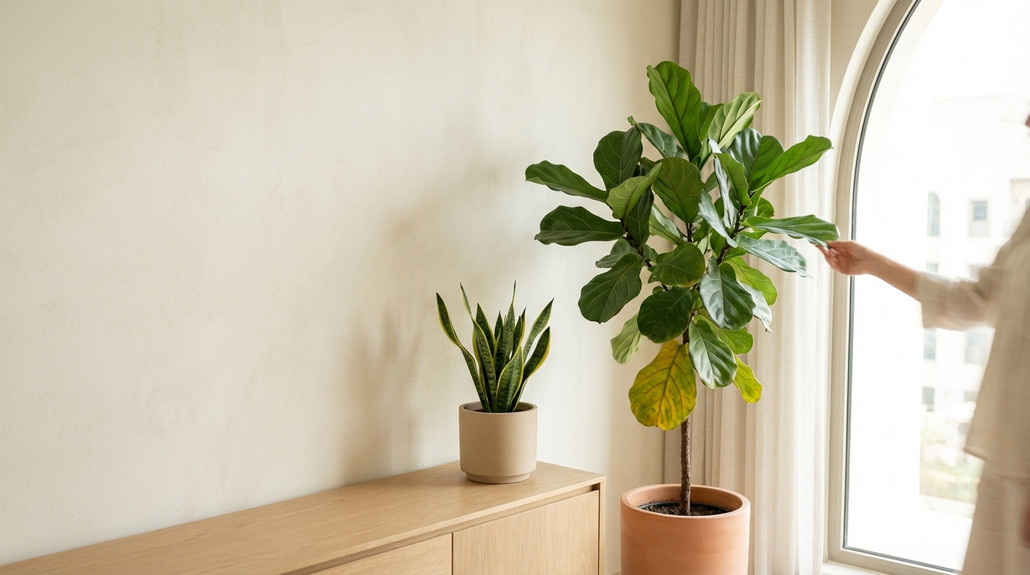
Why Indoor Plant Leaves Turn Yellow and What to Do in Iraq Homes
Posted by Mozher Expoerts on 26.02.26
The Silent Warning: Understanding Yellowing Leaves in Your Iraq Home
There are few sights more disheartening for an indoor plant owner than waking up to find vibrant green leaves turning a sickly yellow. In Iraq, where our homes are a sanctuary from the intense outdoor heat, this common issue can feel particularly frustrating. The very environment we carefully curate for our comfort – with constant air conditioning, or السبلت, running for much of the year – paradoxically creates conditions that stress our beloved plants. Yellow leaves are rarely a plant disease in themselves; instead, they are a clear and urgent signal from your plant, indicating an underlying problem. Understanding these signals is the first step toward diagnosis and recovery. As a senior indoor plant specialist and horticulture educator, I've seen countless cases where a quick, informed response made all the difference. This guide will walk you through identifying the most common culprits behind yellowing leaves in Iraqi homes, offering practical, climate-aware solutions to bring your plants back to vibrant health.
The Climate Conundrum: Heat, AC, and Indoor Plant Stress in Iraq
Our unique climate in Iraq presents specific challenges for indoor plants, and ignoring these realities is a common pathway to distress, often manifesting as yellow leaves. The intense summer heat outside means our indoor spaces are heavily reliant on air conditioning. While the AC provides essential relief for us, it creates an artificially cool, yet extremely dry, atmosphere for plants. This dry air rapidly wicks moisture from both the soil and the plant's foliage, even if the room feels comfortable. This constant dehydration puts significant strain on plants not adapted to arid conditions. Moreover, direct blasts of cold, dry air from AC vents can cause thermal shock, leading to sudden leaf discoloration and drop. Another often overlooked factor is the pervasive dust, or غبار, in our region. A fine layer of dust on leaves blocks sunlight and clogs the plant's pores, hindering its ability to photosynthesize efficiently. These combined stressors can lead to a cascade of issues, with yellow leaves being a prominent early warning sign. Addressing these environmental factors is crucial for successful indoor plant care in Iraq.
Diagnostic Tree: Pinpointing the Cause of Yellow Leaves
When you see yellow leaves, resist the urge to panic and start applying every possible "fix." Instead, approach it like a detective. Yellowing leaves are a symptom, not a disease, and understanding the context—which leaves are yellowing, the texture of the leaves, and the soil condition—is vital for accurate diagnosis. This diagnostic approach will help you understand whether your plant is suffering from overwatering, underwatering, nutrient deficiencies, or other stressors common in Iraqi homes.
Overwatering: The Silent Killer of Indoor Plants
This is, without a doubt, the single most common cause of yellow leaves in indoor plants, especially in air-conditioned environments. It sounds counterintuitive in a hot climate, but the cool air from the AC slows down evaporation, meaning soil stays wet for longer. When roots sit in consistently soggy soil, they are deprived of oxygen and literally drown, leading to root rot. Decaying roots cannot absorb water or nutrients, causing the leaves to yellow and wilt as if thirsty.
Symptoms: Yellow leaves that are soft, mushy, or limp, often starting from the lower, older leaves. The soil feels wet to the touch even days after watering, or it might smell musty and foul. You might also notice small flying insects, known as fungus gnats, attracted to the damp conditions. The plant may appear generally droopy, despite the wet soil.
Tests: The definitive test is to gently lift the plant from its pot and inspect the roots. Healthy roots are typically white or tan and firm. Rotted roots will be brown, black, and mushy, often falling apart when touched.
Fixes & Recovery: Immediately stop watering. If root rot is severe, you may need to repot. Remove the plant, trim away all mushy, black roots with clean, sterile shears. Repot in fresh, well-draining soil in a clean pot (or the same one after sterilizing). For plants with minor overwatering, simply let the soil dry out completely before attempting to water again. Recovery timeline can be slow, taking several weeks to months for new, healthy growth to appear. Do not expect yellowed leaves to turn green again; they will likely drop off. Wait until you see new growth as a sign of recovery.
Underwatering: A Reversible Thirst
In contrast to overwatering, underwatering means your plant isn't getting enough moisture. While less common for resilient plants, it can happen, especially with smaller pots that dry out quickly in the dry AC air, or if you're traveling frequently. Thankfully, this is usually easier to correct than overwatering.
Symptoms: Yellow leaves that are dry, crispy, and brittle, often starting from the lower leaves. The entire plant may appear wilted and droopy, but the soil will be bone-dry and may have pulled away from the edges of the pot. New leaves might be stunted or fail to unfurl properly.
Tests: The soil will be visibly dry and hard, often pulling away from the pot's sides. Lifting the pot will reveal it is exceptionally light.
Fixes & Recovery: Water thoroughly and deeply until water drains from the bottom of the pot. For extremely dry, hydrophobic soil, try bottom-watering by placing the pot in a basin of water for 30-60 minutes to allow it to rehydrate from the base. Discard any excess water afterward. Most underwatered plants recover within hours, visibly perking up. You may lose some yellowed or crispy leaves, but the plant itself should rebound quickly. Continue with a consistent, but not over-frequent, watering schedule, always checking the soil first. Mozher's reliable moisture meter is an invaluable tool for precise watering.
Inadequate or Incorrect Light: The Hidden Stressor
Light is a plant's food, and the wrong amount or type of light can quickly lead to yellowing leaves. In Iraq, this often means either too much intense sun or too little ambient light due to drawn curtains or building designs.
Symptoms:
- Too Little Light: Yellowing and dropping of lower leaves, weak, leggy growth with widely spaced, smaller new leaves. The plant stretches towards any light source.
- Too Much Direct Sun: Yellowing leaves that may also show scorched brown or white patches, particularly on the leaves facing the window. The plant may look bleached or "sunburned."
Tests: Observe the light in the plant's location throughout the day. Is it receiving direct, harsh sun for hours, or is it perpetually in a dim corner where you can barely read a book? For a clearer understanding, consider the cardinal direction of your windows and any obstructions. Generally, bright, indirect light is best for most indoor plants.
Fixes & Recovery:
- For Too Little Light: Move the plant to a brighter spot that receives ample indirect light. You might need to rotate the plant regularly to ensure even exposure. Our collection of plants that tolerate low light conditions can help you find suitable options for shadier areas.
- For Too Much Direct Sun: Move the plant further away from the window, or use sheer curtains or blinds to filter the intense Iraqi sun. Avoid placing sensitive plants directly in south or west-facing windows.
Nutrient Deficiencies: A Hunger Signal
Over time, plants in pots deplete the nutrients in their soil. Yellowing leaves can signal a lack of essential macronutrients like nitrogen, or micronutrients like iron or magnesium. This is more common in plants that haven't been repotted or fertilized for a long time.
Symptoms:
- Nitrogen Deficiency: General yellowing of older, lower leaves, while new growth may remain green but stunted.
- Iron Deficiency: Yellowing of new growth and younger leaves, with veins remaining green (interveinal chlorosis).
- Magnesium Deficiency: Similar to iron, but typically affects older leaves first, with green veins and yellowing between them.
Tests: Observe which leaves are yellowing (old vs. new) and whether veins remain green. This can help pinpoint the specific deficiency. Check your fertilization schedule and if the plant has been in the same soil for over a year.
Fixes & Recovery: Use a balanced, liquid indoor plant fertilizer diluted to half strength, applied during the active growing season (spring and early summer). Ensure the soil is moist before fertilizing to prevent root burn. For specific deficiencies, consider a micronutrient supplement. Repotting with fresh, nutrient-rich soil also provides a significant boost. Recovery involves the plant absorbing nutrients, leading to new healthy growth. Yellowed leaves usually won't revert to green.
Humidity Stress: The AC's Dry Touch
As mentioned, air conditioning in Iraq drastically reduces indoor humidity. Many tropical houseplants require higher humidity than our AC-cooled homes provide, leading to stress signals.
Symptoms: Yellow or brown, crispy leaf tips and edges, often on otherwise green leaves. Leaves may also curl inwards or appear dull and lifeless. In severe cases, entire leaves might yellow and drop.
Tests: Feel the crispiness of the leaf tips. If the soil is moist but the tips are dry and brown, low humidity is a likely cause. You can use a hygrometer to measure ambient humidity levels.
Fixes & Recovery: Increase humidity around your plants. Group them together, use a pebble tray (a shallow tray filled with pebbles and water, ensuring the pot sits *above* the water), or place a small room humidifier nearby. Avoid placing plants directly in the path of AC airflow. Recovery means preventing new leaves from developing crispy tips; existing damage is permanent.
Pest Infestations: Tiny Troubles, Big Impact
Pests can suck the life out of your plant, causing leaves to yellow, distort, or drop. Dry, indoor air can sometimes make plants more susceptible to certain pests.
Symptoms: Yellow spots, speckled patterns, sticky residue on leaves (honeydew), tiny webbing (spider mites), small cottony masses (mealybugs), or visible insects on leaves and stems. Stunted, distorted new growth.
Tests: Carefully inspect the undersides of leaves, along stems, and in leaf axils. Use a magnifying glass if needed. Look for movement, sticky films, or tiny white/black/red dots.
Fixes & Recovery: Isolate the infected plant immediately. Treat with horticultural soap, neem oil, or an appropriate organic insecticide. Repeat treatment as per product instructions. Regularly wipe leaves clean to remove pests and eggs. Recovery involves eradication of pests and the eventual growth of new, healthy foliage.
Other Stressors: Transplant Shock, Age, and Water Quality
- Transplant Shock: New plants or recently repotted ones may show yellowing leaves (especially lower ones) as they adjust to their new environment. Provide consistent care and minimize further stress. Recovery usually occurs within a few weeks.
- Natural Aging: It's normal for older, lower leaves to yellow and drop off as the plant allocates energy to new growth. This is usually not a cause for concern unless many leaves are yellowing simultaneously.
- Water Quality: Tap water in Iraq can contain salts, chlorine, or other minerals that accumulate in the soil over time, causing brown or yellow leaf tips/edges. Let tap water sit out for 24 hours before use, or consider filtered water for sensitive plants.
Symptom to Solution: A Quick Diagnostic Table
This table summarizes common yellowing leaf symptoms and their most probable causes in a typical Iraqi indoor environment, along with immediate actions to take.
| Symptom | Likely Cause in Iraq Home (AC & Heat) | Immediate Action | Recovery Timeline |
|---|---|---|---|
| Lower leaves yellow, soft, mushy; soil wet | Overwatering, poor drainage (common with AC slowing evaporation) | Stop watering immediately, check roots for rot, ensure proper drainage with proper drainage pots. | Weeks to months (new growth only) |
| Lower leaves yellow, dry, crispy; soil bone-dry | Underwatering (especially smaller pots, very dry air) | Water thoroughly until drainage, then regularly check soil with a reliable moisture meter. | Hours to days (plant perks up, old leaves may drop) |
| New leaves yellow, old leaves green; veins green | Iron or other micronutrient deficiency | Apply balanced liquid fertilizer (diluted) during growing season. | Weeks (new growth improves) |
| Leaves uniformly pale yellow, weak, leggy growth | Too little light | Move to brighter, indirect light. Consider plants that tolerate low light conditions for dim areas. | Weeks (new growth improves, old leaves may remain pale) |
| Leaves with yellow/white scorched patches, crisp | Too much direct sun (intense Iraqi sun through window) | Move plant further from window or use sheer curtain to diffuse light. | Damage is permanent on affected leaves, prevent further burn. |
| Crispy brown leaf tips/edges, even with moist soil | Low humidity from AC, mineral buildup from tap water, direct AC draft | Increase ambient humidity, use filtered water or let tap water sit. Move away from AC drafts. | New growth should be healthy; old damage persists. |
| Yellow spots, distorted leaves, sticky residue | Pest infestation (spider mites, mealybugs often thrive in dry air) | Isolate plant, identify pest, treat with horticultural soap or neem oil. See common plant care mistakes in Iraq for specific pest advice. | Weeks to months (depends on infestation severity) |
Common Panic Mistakes: What NOT to Do When Leaves Turn Yellow
When you see yellow leaves, it's natural to feel concerned, but acting impulsively can often worsen the problem. Here are a few common mistakes I frequently observe:
- Don't automatically water more: As discussed, overwatering is the most common cause of yellow leaves. Adding more water to an already saturated plant will only accelerate root rot. Always check the soil moisture deeply before watering.
- Don't move the plant drastically: Sudden changes in light, temperature, or humidity (e.g., from a dim corner to scorching sun, or vice-versa) can cause more stress, leading to more yellowing. Make gradual adjustments if necessary.
- Don't fertilize a struggling plant: Fertilizer is plant food, but an unhealthy plant can't digest it. Applying fertilizer to a stressed plant can burn its roots, causing further damage. Only fertilize healthy, actively growing plants.
- Don't remove all yellow leaves at once: While unsightly, yellowing leaves still provide some energy to the plant. Remove only those that are completely dry or mushy. Let the plant naturally shed others as it recovers.
- Don't give up too soon: Plants are often more resilient than we think. With correct diagnosis and consistent, appropriate care, many plants can make a full recovery, even from severe yellowing.
The Road to Recovery: Timelines and When to Stop Interventions
Once you've identified the cause of your plant's yellow leaves and applied the correct fix, patience is paramount. Plants operate on their own timelines, not ours. You won't see an immediate transformation of yellow leaves back to green; that's generally not how it works. Instead, look for signs of new, healthy growth appearing at the top or along the stems. The existing yellow leaves will likely remain yellow and eventually drop off naturally. This is a normal part of the plant's process of shedding damaged parts and redirecting energy to new, vital growth.
Recovery timelines vary. A plant suffering from underwatering might perk up within hours or a day, but the yellowed leaves may still fall. Recovery from overwatering and root rot can take several weeks to months, as the plant needs to regrow a healthy root system before producing new foliage. For pest infestations, observe the decline of the pest population and the emergence of clean, undamaged leaves. Continue your corrective actions for a consistent period, typically 2-4 weeks, or as recommended for specific pest treatments. Once new, healthy growth is sustained, you can gradually ease back into a regular maintenance routine. Stop actively "fixing" when the core problem is resolved, and the plant shows consistent signs of vigor.
Prevention is Key: Cultivating Healthy Habits in Your Iraqi Home
Proactive care, especially tailored to our specific climate challenges, is the best defense against yellow leaves and other plant problems. Here's how to maintain healthier plants in your Iraq home:
- Master Mindful Watering: This is the most crucial habit. Forget rigid schedules. Always feel the soil deeply with your finger or use a moisture meter before watering. Water deeply until drainage, then discard excess. For guidance, refer to Mozher's comprehensive plant care guidance.
- Optimize Light, Avoid Extremes: Understand your home's light zones. Most indoor plants prefer bright, indirect light. Protect them from direct, scorching midday sun by moving them back from windows or using sheer curtains. For dimmer areas, choose hardy low-light tolerant plants.
- Combat Dry AC Air: Group plants together to create microclimates of higher humidity. Use pebble trays under pots (ensure pots sit *above* the water). Keep plants away from direct AC drafts, or السبلت, which dehydrate leaves rapidly.
- Ensure Proper Drainage and Soil: Always use pots with drainage holes. If using decorative cachepots, keep the plant in a nursery pot inside. Use a well-draining potting mix. Poor drainage and heavy soil are recipes for root rot.
- Regular Cleaning & Inspection: Dust, or غبار, is a constant. Gently wipe leaves with a damp cloth every few weeks. This not only keeps them breathing but also allows you to inspect for early signs of pests, which thrive in dry, stressed conditions. For more on preventing issues, explore common plant care mistakes in Iraq.
- Choose Climate-Appropriate Plants: Mozher offers a curated selection of exceptionally hardy plants that are better suited for the unique indoor conditions of Iraq and the wider Middle East. Starting with these resilient species dramatically increases your chances of success.
By adopting these mindful practices, you’ll not only solve the mystery of yellowing leaves but also cultivate a thriving indoor oasis that enhances your living space. Healthy plants bring joy and vibrancy, and with a little understanding of their language and needs, especially within our unique climate, you can foster a long and rewarding relationship with your green companions.
For more detailed insights on plant problems and solutions, visit the Indoor Plant Problems hub at Mozher.
Frequently Asked Questions About Yellow Plant Leaves in Iraq
Why do my plant's leaves turn yellow quickly after I bring it home in Iraq?
This is often due to transplant shock combined with environmental stress. New plants experience a change in light, temperature, and humidity from the nursery to your home, exacerbated by the dry, air-conditioned conditions common in Iraq. Yellowing lower leaves are a common reaction. Give your plant time to acclimate, place it in a stable spot with bright, indirect light away from AC drafts, and water only when the top few inches of soil are dry. Avoid additional stressors like repotting or fertilizing for the first few weeks.
Can yellow leaves ever turn green again?
Unfortunately, once a leaf has turned yellow, it typically will not revert to green. The cells responsible for producing chlorophyll have usually died. The best approach is to address the underlying cause of the yellowing. Once the issue is resolved, your plant will focus its energy on producing new, healthy green growth. You can prune off severely yellowed or damaged leaves to encourage new growth and improve the plant's appearance.
How can I tell if yellow leaves are from overwatering or underwatering in a dry, AC room?
This is a critical distinction in Iraq's climate. If the yellow leaves are soft, limp, and mushy, and the soil feels wet to the touch even days after watering, it's likely overwatering. The cool AC air slows evaporation, trapping moisture. If the yellow leaves are dry, crispy, and brittle, and the soil is bone-dry, it's underwatering. Always check the soil moisture deep with your finger or a moisture meter before making a diagnosis or adding water.
My plant has yellow leaves but also brown, crispy tips. What's wrong?
This common symptom in Iraqi homes typically points to low ambient humidity caused by constant air conditioning. The dry air pulls moisture from the leaves faster than the roots can supply it, causing the tips to dry and brown. While ensuring proper watering is important, the primary fix is to increase humidity around the plant. Group plants together, use a pebble tray, or keep the plant away from direct AC vents.