


Blushing Philodendron
Bring instant jungle vibes to your space with Philodendron erubescens. Its sleek, glossy leaves look premium in any pot, and its forgiving nature makes it ideal for busy plant owners and stylish offices. Place it in bright, indirect light, water when the top soil dries, and enjoy steady, dramatic growth all year long.
1. Basic Identification
Common Name: Blushing Philodendron, Red-leaf Philodendron
Botanical Name: Philodendron erubescens
Variety: Standard
Arabic Name: فيلوديندرون
Color: Green
Country of Origin: Colombia
Stems: 1
Family: Araceae
2. Taxonomy & Classification
Philodendron erubescens belongs to the genus Philodendron within the Araceae family. It is a member of the order Alismatales and is classified as an evergreen climber, known for its distinctive "blushing" stems and leaf undersides.
3. Origin & Distribution
Native to the tropical rainforests of Colombia in South America, this species has become widely naturalized and cultivated in tropical regions worldwide and is a popular ornamental indoor plant in temperate climates.
4. Visual Characteristics
This plant features glossy, heart-shaped or arrow-shaped leaves that can grow quite large. The foliage is typically a deep green, while the stems (petioles) and new growth often exhibit a striking reddish-purple or burgundy hue, giving it the name "erubescens" which means "blushing" in Latin.
5. Size & Dimensions
When grown indoors as a houseplant, Philodendron erubescens typically reaches a height of 3 to 6 feet (0.9 to 1.8 meters) with proper support. In its natural habitat, it is a vigorous climber that can reach heights of over 20 feet.
6. Light Requirements
It thrives in bright, indirect light. While it can tolerate moderate light levels, too little light will result in leggy growth and smaller leaves. Direct sunlight should be avoided as it can scorch the glossy foliage.
7. Watering Needs
Water thoroughly when the top 1 to 2 inches of soil feel dry to the touch. This plant prefers consistent moisture but is sensitive to overwatering; ensure the pot has excellent drainage to prevent root rot.
8. Soil & Potting
Requires a loose, well-draining potting medium rich in organic matter. An "aroid mix" containing potting soil, orchid bark, perlite, and peat moss or coco coir is ideal for providing necessary aeration to the roots.
9. Temperature & Humidity
Prefers warm temperatures between 18°C and 27°C (65°F to 80°F). It enjoys high humidity (above 50%), which can be maintained through regular misting, a humidifier, or placing the plant on a pebble tray.
10. Fertilization
Feed with a balanced, water-soluble liquid fertilizer once a month during the active growing season (spring and summer). Reduce or stop fertilization during the fall and winter months when growth slows.
11. Maintenance & Care Level
Classified as a low-to-medium maintenance plant. Regular care includes wiping the leaves with a damp cloth to remove dust and providing a moss pole or trellis for the plant to climb as it matures.
12. Growth & Propagation
A relatively fast-growing species under optimal conditions. It is easily propagated through stem cuttings that include at least one node, which can be rooted in water or directly in moist potting soil.
13. Common Problems
Watch for common pests such as spider mites, mealybugs, and aphids. Physiological issues like yellowing leaves usually indicate overwatering, while brown, crispy leaf edges may suggest low humidity or underwatering.
14. Benefits & Uses
Apart from its high aesthetic appeal and ability to create a tropical atmosphere, it is recognized for its air-purifying qualities, helping to remove common indoor toxins like formaldehyde and benzene from the air.
15. Toxicity & Safety
Philodendron erubescens contains calcium oxalate crystals and is toxic to both humans and pets (cats and dogs) if ingested. Contact with the sap may also cause skin irritation in sensitive individuals.
Blushing Philodendron
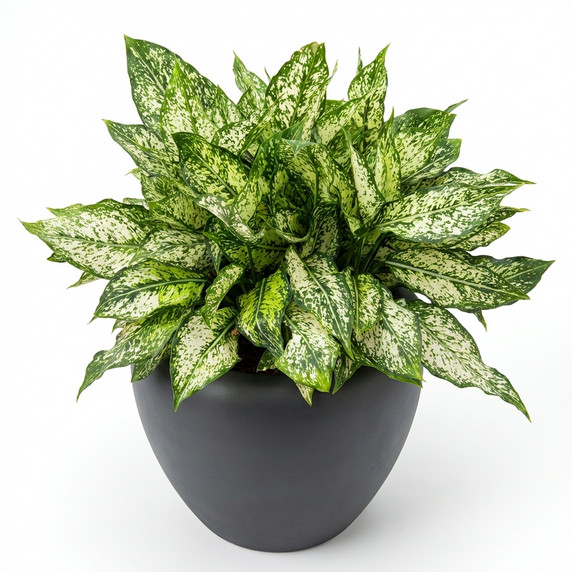
Bring instant jungle vibes to your space with Philodendron erubescens. Its sleek, glossy leaves look premium in any pot, and its forgiving nature makes it ideal for busy plant owners and stylish offices. Place it in bright, indirect light, water when the top soil dries, and enjoy steady, dramatic growth all year long.
1. Basic Identification
Common Name: Blushing Philodendron, Red-leaf Philodendron
Botanical Name: Philodendron erubescens
Variety: Standard
Arabic Name: فيلوديندرون
Color: Green
Country of Origin: Colombia
Stems: 1
Family: Araceae
2. Taxonomy & Classification
Philodendron erubescens belongs to the genus Philodendron within the Araceae family. It is a member of the order Alismatales and is classified as an evergreen climber, known for its distinctive "blushing" stems and leaf undersides.
3. Origin & Distribution
Native to the tropical rainforests of Colombia in South America, this species has become widely naturalized and cultivated in tropical regions worldwide and is a popular ornamental indoor plant in temperate climates.
4. Visual Characteristics
This plant features glossy, heart-shaped or arrow-shaped leaves that can grow quite large. The foliage is typically a deep green, while the stems (petioles) and new growth often exhibit a striking reddish-purple or burgundy hue, giving it the name "erubescens" which means "blushing" in Latin.
5. Size & Dimensions
When grown indoors as a houseplant, Philodendron erubescens typically reaches a height of 3 to 6 feet (0.9 to 1.8 meters) with proper support. In its natural habitat, it is a vigorous climber that can reach heights of over 20 feet.
6. Light Requirements
It thrives in bright, indirect light. While it can tolerate moderate light levels, too little light will result in leggy growth and smaller leaves. Direct sunlight should be avoided as it can scorch the glossy foliage.
7. Watering Needs
Water thoroughly when the top 1 to 2 inches of soil feel dry to the touch. This plant prefers consistent moisture but is sensitive to overwatering; ensure the pot has excellent drainage to prevent root rot.
8. Soil & Potting
Requires a loose, well-draining potting medium rich in organic matter. An "aroid mix" containing potting soil, orchid bark, perlite, and peat moss or coco coir is ideal for providing necessary aeration to the roots.
9. Temperature & Humidity
Prefers warm temperatures between 18°C and 27°C (65°F to 80°F). It enjoys high humidity (above 50%), which can be maintained through regular misting, a humidifier, or placing the plant on a pebble tray.
10. Fertilization
Feed with a balanced, water-soluble liquid fertilizer once a month during the active growing season (spring and summer). Reduce or stop fertilization during the fall and winter months when growth slows.
11. Maintenance & Care Level
Classified as a low-to-medium maintenance plant. Regular care includes wiping the leaves with a damp cloth to remove dust and providing a moss pole or trellis for the plant to climb as it matures.
12. Growth & Propagation
A relatively fast-growing species under optimal conditions. It is easily propagated through stem cuttings that include at least one node, which can be rooted in water or directly in moist potting soil.
13. Common Problems
Watch for common pests such as spider mites, mealybugs, and aphids. Physiological issues like yellowing leaves usually indicate overwatering, while brown, crispy leaf edges may suggest low humidity or underwatering.
14. Benefits & Uses
Apart from its high aesthetic appeal and ability to create a tropical atmosphere, it is recognized for its air-purifying qualities, helping to remove common indoor toxins like formaldehyde and benzene from the air.
15. Toxicity & Safety
Philodendron erubescens contains calcium oxalate crystals and is toxic to both humans and pets (cats and dogs) if ingested. Contact with the sap may also cause skin irritation in sensitive individuals.