


New


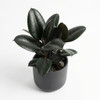
Turn empty winter beds and patio pots into a showpiece. Ornamental cabbage delivers lush, ruffled rosettes with vibrant pinks, purples, and creamy whites that intensify as the weather cools. It’s a low-maintenance, high-impact choice for entrances, terraces, and seasonal displays—simply give it sun, consistent watering, and good drainage for weeks of crisp, elegant color.
Common Name: Ornamental Cabbage
Botanical Name: Brassica oleracea
Variant: Standard
Color: Multicolor
Country of Origin: Unknown
Plant Code / SKU: PLT-0636
Arabic Name: كرنب زينة
Stems: 1
Family: Brassicaceae
Order: Brassicales
Family: Brassicaceae
Genus: Brassica
Species: B. oleracea
Cultivar Group: Capitata Group (ornamental cabbage)
Native to coastal southern and western Europe. Developed as an ornamental cultivar of cabbage, it is now widely grown in temperate regions worldwide, including North America, Europe, and East Asia.
Lush rosettes of broad, ruffled leaves with scalloped margins.
Leaf colors range from creamy white and pale pink to deep purple and magenta, intensifying with cooler temperatures.
Rosette diameter up to 30–60 cm; foliage forms tight, decorative heads.
Height: 25–45 cm (10–18 in)
Spread: 30–60 cm (12–24 in)
Individual leaf length: 10–25 cm (4–10 in)
Full sun to light shade.
At least 6 hours of direct sun daily for best leaf color.
Tolerates partial shade; too little light leads to leggy growth and muted coloration.
Keep soil evenly moist but not waterlogged.
Water 1–2 times per week, increasing frequency in hot, dry weather.
Mulch to retain moisture and regulate soil temperature.
Rich, well-draining loam or potting mix with good organic content.
pH 6.0–7.5 ideal.
In containers, use a blend of quality potting soil and compost; ensure drainage holes to prevent root rot.
Optimal growth: 7–21 °C (45–70 °F).
Tolerates light frost; leaf colors intensify after exposure to cooler temperatures.
High heat (>24 °C/75 °F) can cause bolting and leaf yellowing.
Average garden humidity; avoid excessively humid, stagnant air to reduce disease risk.
Apply a balanced, slow-release granular fertilizer at planting.
Supplement monthly with a balanced water-soluble fertilizer (e.g., 10-10-10).
Avoid excessive nitrogen late in season to prevent soft, lush growth prone to pests.
Low-maintenance.
Remove yellowing or damaged outer leaves to improve air circulation.
Monitor regularly for pests and disease.
No staking or pruning required.
Propagated by seed.
Sow seeds 8–10 weeks before expected first frost for fall color, or in early spring.
Transplant seedlings when they have 4–6 true leaves, spacing 30–45 cm apart.
Best grown as an annual in most climates.
Pests: Cabbage worms, aphids, slugs, flea beetles.
Diseases: Clubroot, black rot, downy mildew.
Environmental: Bolting in high heat, leaf scorch in intense sun without adequate moisture.
Nutrient deficiencies: Yellowing from nitrogen or iron deficiency.
Provides vibrant fall and winter color in beds, borders, and containers.
Leaves are technically edible—mildly peppery but often bitter; used as garnish or cooked green.
Attracts beneficial pollinators when allowed to flower in spring.
Non-toxic to humans and pets.
Edible leaves contain oxalates; consume in moderation.
Safe to handle; wash hands after contact if you have sensitive skin.
Turn empty winter beds and patio pots into a showpiece. Ornamental cabbage delivers lush, ruffled rosettes with vibrant pinks, purples, and creamy whites that intensify as the weather cools. It’s a low-maintenance, high-impact choice for entrances, terraces, and seasonal displays—simply give it sun, consistent watering, and good drainage for weeks of crisp, elegant color.
Common Name: Ornamental Cabbage
Botanical Name: Brassica oleracea
Variant: Standard
Color: Multicolor
Country of Origin: Unknown
Plant Code / SKU: PLT-0636
Arabic Name: كرنب زينة
Stems: 1
Family: Brassicaceae
Order: Brassicales
Family: Brassicaceae
Genus: Brassica
Species: B. oleracea
Cultivar Group: Capitata Group (ornamental cabbage)
Native to coastal southern and western Europe. Developed as an ornamental cultivar of cabbage, it is now widely grown in temperate regions worldwide, including North America, Europe, and East Asia.
Lush rosettes of broad, ruffled leaves with scalloped margins.
Leaf colors range from creamy white and pale pink to deep purple and magenta, intensifying with cooler temperatures.
Rosette diameter up to 30–60 cm; foliage forms tight, decorative heads.
Height: 25–45 cm (10–18 in)
Spread: 30–60 cm (12–24 in)
Individual leaf length: 10–25 cm (4–10 in)
Full sun to light shade.
At least 6 hours of direct sun daily for best leaf color.
Tolerates partial shade; too little light leads to leggy growth and muted coloration.
Keep soil evenly moist but not waterlogged.
Water 1–2 times per week, increasing frequency in hot, dry weather.
Mulch to retain moisture and regulate soil temperature.
Rich, well-draining loam or potting mix with good organic content.
pH 6.0–7.5 ideal.
In containers, use a blend of quality potting soil and compost; ensure drainage holes to prevent root rot.
Optimal growth: 7–21 °C (45–70 °F).
Tolerates light frost; leaf colors intensify after exposure to cooler temperatures.
High heat (>24 °C/75 °F) can cause bolting and leaf yellowing.
Average garden humidity; avoid excessively humid, stagnant air to reduce disease risk.
Apply a balanced, slow-release granular fertilizer at planting.
Supplement monthly with a balanced water-soluble fertilizer (e.g., 10-10-10).
Avoid excessive nitrogen late in season to prevent soft, lush growth prone to pests.
Low-maintenance.
Remove yellowing or damaged outer leaves to improve air circulation.
Monitor regularly for pests and disease.
No staking or pruning required.
Propagated by seed.
Sow seeds 8–10 weeks before expected first frost for fall color, or in early spring.
Transplant seedlings when they have 4–6 true leaves, spacing 30–45 cm apart.
Best grown as an annual in most climates.
Pests: Cabbage worms, aphids, slugs, flea beetles.
Diseases: Clubroot, black rot, downy mildew.
Environmental: Bolting in high heat, leaf scorch in intense sun without adequate moisture.
Nutrient deficiencies: Yellowing from nitrogen or iron deficiency.
Provides vibrant fall and winter color in beds, borders, and containers.
Leaves are technically edible—mildly peppery but often bitter; used as garnish or cooked green.
Attracts beneficial pollinators when allowed to flower in spring.
Non-toxic to humans and pets.
Edible leaves contain oxalates; consume in moderation.
Safe to handle; wash hands after contact if you have sensitive skin.

Take 20% off your first order
Enter the code below at checkout to get 20% off your first order