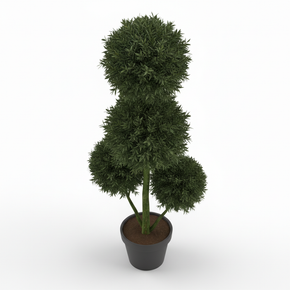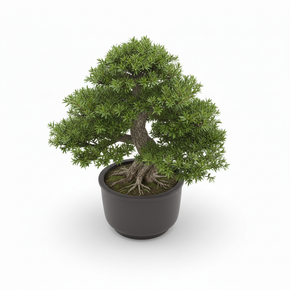
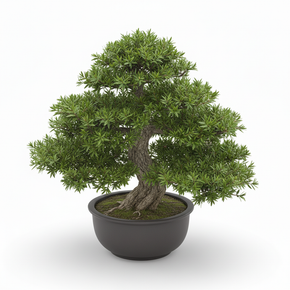



Elevate your space with the timeless elegance of the Buddhist Pine. With its lush, dense foliage and graceful, upright form, the Podocarpus is the architect's choice for adding structure and serene greenery to any interior. Exceptionally hardy and forgiving, it's perfect for both seasoned plant lovers and beginners. Create a calming atmosphere in your living room or a professional focal point in your office. It's more than a plant—it's a living sculpture.
Common Name: Buddhist Pine, Yew Plum Pine, Kusamaki
Botanical Name: Podocarpus macrophyllus
Arabic Name: بودوكاربس
Plant Color: Green
Plant Variant: Standard
Country of Origin: Netherlands
Kingdom: Plantae
Division: Pinophyta
Class: Pinopsida
Order: Pinales
Family: Podocarpaceae
Genus: Podocarpus
Species: Podocarpus macrophyllus
The Podocarpus macrophyllus is native to southern Japan and southern China. It has been widely naturalized in tropical and subtropical regions around the world and is a staple in Asian garden design.
This evergreen conifer features dark green, strap-like, leathery leaves that are arranged spirally on the branches. The foliage is dense and needle-like but softer to the touch than typical pines. It has a naturally upright and pyramidal growth habit.
Indoors, the Buddhist Pine typically reaches heights of 3 to 8 feet (1-2.5 meters), though it grows slowly. Outdoors in its natural habitat, it can reach up to 50 feet. It is easily maintained at a specific size through pruning.
Thrives in bright, indirect light. It can tolerate lower light levels but will grow more slowly and may lose its dense foliage. It can adapt to some direct morning sunlight, especially when grown outdoors.
Water when the top inch of soil feels dry to the touch. It prefers consistent moisture but is relatively drought-tolerant once established. Avoid overwatering, as it is susceptible to root rot in waterlogged soil.
Requires a well-draining, slightly acidic potting mix. A standard high-quality peat-based mix with added perlite or sand for drainage is ideal. Ensure the pot has adequate drainage holes.
Prefers temperatures between 60°F and 75°F (15°C–24°C). It can tolerate cooler temperatures in winter but should be protected from frost. It adapts well to average household humidity levels but appreciates occasional misting in very dry environments.
Apply a balanced liquid fertilizer once a month during the active growing season (spring and summer). Reduce fertilization in the fall and stop during the winter months.
Maintenance is low to moderate. It is an exceptionally hardy plant. Pruning is recommended to maintain its shape and encourage bushier growth. Wipe the leaves with a damp cloth occasionally to remove dust.
A slow-growing plant. Propagation is most commonly achieved through semi-hardwood cuttings taken in the summer. It can also be grown from seeds found in its cone-like berries, though this is a much slower process.
Generally pest-resistant but can occasionally be affected by scale, spider mites, or mealybugs. Watch for yellowing leaves, which often indicate overwatering or poor drainage.
Excellent for air purification, removing common household toxins. Its architectural form makes it a popular choice for interior design, "living walls," and bonsai. It is frequently used in feng shui to bring positive energy into a home.
The Buddhist Pine is considered toxic to pets (cats and dogs) and humans if ingested. The leaves and fruit contain saponins and can cause gastrointestinal distress, including vomiting and diarrhea. Handle with care around curious pets and children.
Elevate your space with the timeless elegance of the Buddhist Pine. With its lush, dense foliage and graceful, upright form, the Podocarpus is the architect's choice for adding structure and serene greenery to any interior. Exceptionally hardy and forgiving, it's perfect for both seasoned plant lovers and beginners. Create a calming atmosphere in your living room or a professional focal point in your office. It's more than a plant—it's a living sculpture.
Common Name: Buddhist Pine, Yew Plum Pine, Kusamaki
Botanical Name: Podocarpus macrophyllus
Arabic Name: بودوكاربس
Plant Color: Green
Plant Variant: Standard
Country of Origin: Netherlands
Kingdom: Plantae
Division: Pinophyta
Class: Pinopsida
Order: Pinales
Family: Podocarpaceae
Genus: Podocarpus
Species: Podocarpus macrophyllus
The Podocarpus macrophyllus is native to southern Japan and southern China. It has been widely naturalized in tropical and subtropical regions around the world and is a staple in Asian garden design.
This evergreen conifer features dark green, strap-like, leathery leaves that are arranged spirally on the branches. The foliage is dense and needle-like but softer to the touch than typical pines. It has a naturally upright and pyramidal growth habit.
Indoors, the Buddhist Pine typically reaches heights of 3 to 8 feet (1-2.5 meters), though it grows slowly. Outdoors in its natural habitat, it can reach up to 50 feet. It is easily maintained at a specific size through pruning.
Thrives in bright, indirect light. It can tolerate lower light levels but will grow more slowly and may lose its dense foliage. It can adapt to some direct morning sunlight, especially when grown outdoors.
Water when the top inch of soil feels dry to the touch. It prefers consistent moisture but is relatively drought-tolerant once established. Avoid overwatering, as it is susceptible to root rot in waterlogged soil.
Requires a well-draining, slightly acidic potting mix. A standard high-quality peat-based mix with added perlite or sand for drainage is ideal. Ensure the pot has adequate drainage holes.
Prefers temperatures between 60°F and 75°F (15°C–24°C). It can tolerate cooler temperatures in winter but should be protected from frost. It adapts well to average household humidity levels but appreciates occasional misting in very dry environments.
Apply a balanced liquid fertilizer once a month during the active growing season (spring and summer). Reduce fertilization in the fall and stop during the winter months.
Maintenance is low to moderate. It is an exceptionally hardy plant. Pruning is recommended to maintain its shape and encourage bushier growth. Wipe the leaves with a damp cloth occasionally to remove dust.
A slow-growing plant. Propagation is most commonly achieved through semi-hardwood cuttings taken in the summer. It can also be grown from seeds found in its cone-like berries, though this is a much slower process.
Generally pest-resistant but can occasionally be affected by scale, spider mites, or mealybugs. Watch for yellowing leaves, which often indicate overwatering or poor drainage.
Excellent for air purification, removing common household toxins. Its architectural form makes it a popular choice for interior design, "living walls," and bonsai. It is frequently used in feng shui to bring positive energy into a home.
The Buddhist Pine is considered toxic to pets (cats and dogs) and humans if ingested. The leaves and fruit contain saponins and can cause gastrointestinal distress, including vomiting and diarrhea. Handle with care around curious pets and children.


Take 20% off your first order
Enter the code below at checkout to get 20% off your first order