


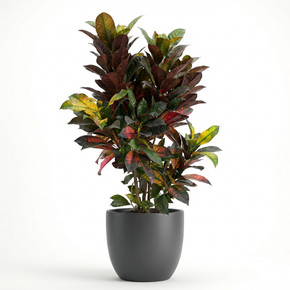


Bring instant wow-factor to any space with Celosia’s vivid magenta plumes. This compact flowering plant stays colorful for weeks, looks stunning on desks and sunny windowsills, and makes a standout gift. With bright light, a well-draining pot, and simple watering, Celosia rewards you with continuous, eye-catching blooms all season.
Common Name: Plume Celosia
Botanical Name: Celosia argentea var. plumosa
Former Name: Not available
Plant Type: Flowering annual
Plant Code / SKU: PLT-0253
Alternative Names:
Plume celosia
Woolflower
Cockscomb
Order: Caryophyllales
Family: Amaranthaceae
Genus: Celosia
Native to tropical Africa (particularly West Africa); widely cultivated and naturalized in Asia, the Americas, and Europe as an ornamental bedding plant.
Produces dense, feathery plumes of magenta flowers 10–15 cm long at branch tips. Stems are erect and slender with alternate ovate leaves 5–10 cm long, medium green in color.
Typically reaches 30–60 cm in height and 15–30 cm in width; individual flower plumes up to 15 cm long.
Thrives in full sun (minimum 6 hours of direct light daily); tolerates light shade, though flowering may be reduced under low-light conditions.
Keep soil evenly moist but not waterlogged; water when the top 2–3 cm of soil feels dry. Reduce watering slightly in cooler periods.
Grows best in a well-draining, fertile potting mix containing peat, perlite, or sand. Ideal soil pH is 6.0–7.5. Ensure good drainage to prevent root rot.
Prefers warm temperatures between 18–27 °C (65–80 °F); night temperatures should stay above 15 °C (59 °F). Not frost-tolerant. Moderate humidity is sufficient.
Apply a balanced liquid fertilizer (e.g., 10-10-10) every 4 weeks during the growing and blooming season. Avoid over-fertilization which can inhibit flower production.
Low to moderate care. Deadhead spent blooms regularly to encourage continued flowering. Tall plumes may require occasional staking to prevent bending.
Propagated by seed. Sow indoors 4–6 weeks before the last frost or direct sow outdoors after frost danger has passed. Seeds germinate in 5–10 days at 21–24 °C (70–75 °F). Succession sowing extends bloom period.
May suffer from aphids, spider mites, and whiteflies. Susceptible to fungal issues such as damping-off and botrytis in high humidity. Overwatering can lead to root rot. Ensure good air circulation and remove dead foliage.
Widely used as an ornamental in borders, containers, and window boxes. Long-lasting blooms are excellent for fresh and dried flower arrangements. Attracts pollinators like butterflies and bees.
Non-toxic to humans and pets; safe for household and garden environments.
Bring instant wow-factor to any space with Celosia’s vivid magenta plumes. This compact flowering plant stays colorful for weeks, looks stunning on desks and sunny windowsills, and makes a standout gift. With bright light, a well-draining pot, and simple watering, Celosia rewards you with continuous, eye-catching blooms all season.
Common Name: Plume Celosia
Botanical Name: Celosia argentea var. plumosa
Former Name: Not available
Plant Type: Flowering annual
Plant Code / SKU: PLT-0253
Alternative Names:
Plume celosia
Woolflower
Cockscomb
Order: Caryophyllales
Family: Amaranthaceae
Genus: Celosia
Native to tropical Africa (particularly West Africa); widely cultivated and naturalized in Asia, the Americas, and Europe as an ornamental bedding plant.
Produces dense, feathery plumes of magenta flowers 10–15 cm long at branch tips. Stems are erect and slender with alternate ovate leaves 5–10 cm long, medium green in color.
Typically reaches 30–60 cm in height and 15–30 cm in width; individual flower plumes up to 15 cm long.
Thrives in full sun (minimum 6 hours of direct light daily); tolerates light shade, though flowering may be reduced under low-light conditions.
Keep soil evenly moist but not waterlogged; water when the top 2–3 cm of soil feels dry. Reduce watering slightly in cooler periods.
Grows best in a well-draining, fertile potting mix containing peat, perlite, or sand. Ideal soil pH is 6.0–7.5. Ensure good drainage to prevent root rot.
Prefers warm temperatures between 18–27 °C (65–80 °F); night temperatures should stay above 15 °C (59 °F). Not frost-tolerant. Moderate humidity is sufficient.
Apply a balanced liquid fertilizer (e.g., 10-10-10) every 4 weeks during the growing and blooming season. Avoid over-fertilization which can inhibit flower production.
Low to moderate care. Deadhead spent blooms regularly to encourage continued flowering. Tall plumes may require occasional staking to prevent bending.
Propagated by seed. Sow indoors 4–6 weeks before the last frost or direct sow outdoors after frost danger has passed. Seeds germinate in 5–10 days at 21–24 °C (70–75 °F). Succession sowing extends bloom period.
May suffer from aphids, spider mites, and whiteflies. Susceptible to fungal issues such as damping-off and botrytis in high humidity. Overwatering can lead to root rot. Ensure good air circulation and remove dead foliage.
Widely used as an ornamental in borders, containers, and window boxes. Long-lasting blooms are excellent for fresh and dried flower arrangements. Attracts pollinators like butterflies and bees.
Non-toxic to humans and pets; safe for household and garden environments.

Take 20% off your first order
Enter the code below at checkout to get 20% off your first order