

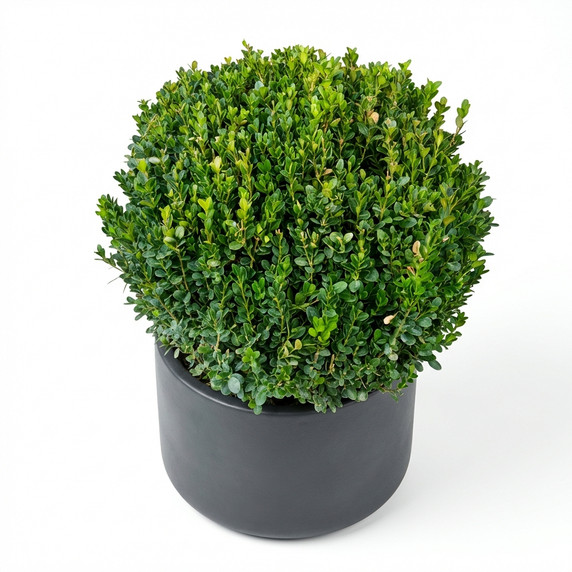




Philodendron Sellum, also known as the Tree Philodendron or Lacey Tree Philodendron, is a spectacular tropical plant known for its large, deeply lobed, waxy green leaves. It adds an instant jungle vibe to any interior space and is remarkably easy to care for, making it a favorite for both beginners and experienced plant lovers. This architectural plant is a classic choice for those looking to make a bold green statement in their home or office while benefiting from its air-purifying properties.
Common Name: Philodendron Sellum, Tree Philodendron, Lacey Tree Philodendron
Botanical Name: Thaumatophyllum bipinnatifidum
Arabic Name: فيلوديندرون سيلوم
Kingdom: Plantae
Order: Alismatales
Family: Araceae
Genus: Thaumatophyllum (formerly Philodendron)
Philodendron Sellum is native to the tropical regions of South America, specifically Brazil, Bolivia, Argentina, and Paraguay. It thrives in humid, subtropical environments but has been widely naturalized in other warm climates globally.
The plant features massive, glossy, dark green leaves that are deeply incised or 'pinnatifid.' As the plant matures, it develops a thick, woody, tree-like trunk marked with distinctive eye-shaped leaf scars left by old foliage.
Indoors, the Sellum can reach a height and spread of 5 to 8 feet. Individual leaves are impressive, often growing up to 3 feet in length under ideal conditions.
It prefers bright, indirect light. While it can tolerate some direct morning sun, harsh afternoon rays may scorch the leaves. It can adapt to moderate light levels, though its growth will be slower and less robust.
Water thoroughly when the top 1–2 inches of soil feel dry to the touch. It prefers consistent moisture but is sensitive to overwatering; ensure the pot has excellent drainage to prevent root rot. Reduce watering frequency during the winter months.
Thrives in a well-draining, rich, peat-based potting mix. A combination of standard potting soil, peat moss, and perlite is ideal for maintaining the proper balance of moisture and aeration.
Prefers temperatures between 65°F and 80°F (18°C - 27°C). It is a humidity lover; consider misting the leaves regularly, using a pebble tray, or placing a humidifier nearby if the indoor air is dry.
Feed with a balanced, water-soluble liquid fertilizer every 4–6 weeks during the active growing season (spring and summer). Do not fertilize in the winter when growth naturally slows down.
Maintenance is low to moderate. Care involves regularly wiping the large leaves with a damp cloth to remove dust and maintain their shine, and pruning away any yellowing lower leaves to encourage new growth.
Philodendron Sellum has a moderate to fast growth rate. It can be propagated through stem cuttings that include at least one node, or more easily by separating the offsets (pups) that grow at the base of a mature plant.
Watch for pests like spider mites, mealybugs, and aphids. Yellow leaves are often a sign of overwatering, while brown, crispy leaf edges typically indicate low humidity or underwatering.
It is an excellent air-purifying plant, known for removing toxins like formaldehyde from the air. Due to its large size and dramatic foliage, it is frequently used as a floor-standing statement piece in living rooms, lobbies, and offices.
Toxic to humans, cats, and dogs if ingested. The plant contains calcium oxalate crystals, which cause immediate irritation, swelling of the mouth and throat, and digestive distress. Keep out of reach of children and pets.
Philodendron Sellum, also known as the Tree Philodendron or Lacey Tree Philodendron, is a spectacular tropical plant known for its large, deeply lobed, waxy green leaves. It adds an instant jungle vibe to any interior space and is remarkably easy to care for, making it a favorite for both beginners and experienced plant lovers. This architectural plant is a classic choice for those looking to make a bold green statement in their home or office while benefiting from its air-purifying properties.
Common Name: Philodendron Sellum, Tree Philodendron, Lacey Tree Philodendron
Botanical Name: Thaumatophyllum bipinnatifidum
Arabic Name: فيلوديندرون سيلوم
Kingdom: Plantae
Order: Alismatales
Family: Araceae
Genus: Thaumatophyllum (formerly Philodendron)
Philodendron Sellum is native to the tropical regions of South America, specifically Brazil, Bolivia, Argentina, and Paraguay. It thrives in humid, subtropical environments but has been widely naturalized in other warm climates globally.
The plant features massive, glossy, dark green leaves that are deeply incised or 'pinnatifid.' As the plant matures, it develops a thick, woody, tree-like trunk marked with distinctive eye-shaped leaf scars left by old foliage.
Indoors, the Sellum can reach a height and spread of 5 to 8 feet. Individual leaves are impressive, often growing up to 3 feet in length under ideal conditions.
It prefers bright, indirect light. While it can tolerate some direct morning sun, harsh afternoon rays may scorch the leaves. It can adapt to moderate light levels, though its growth will be slower and less robust.
Water thoroughly when the top 1–2 inches of soil feel dry to the touch. It prefers consistent moisture but is sensitive to overwatering; ensure the pot has excellent drainage to prevent root rot. Reduce watering frequency during the winter months.
Thrives in a well-draining, rich, peat-based potting mix. A combination of standard potting soil, peat moss, and perlite is ideal for maintaining the proper balance of moisture and aeration.
Prefers temperatures between 65°F and 80°F (18°C - 27°C). It is a humidity lover; consider misting the leaves regularly, using a pebble tray, or placing a humidifier nearby if the indoor air is dry.
Feed with a balanced, water-soluble liquid fertilizer every 4–6 weeks during the active growing season (spring and summer). Do not fertilize in the winter when growth naturally slows down.
Maintenance is low to moderate. Care involves regularly wiping the large leaves with a damp cloth to remove dust and maintain their shine, and pruning away any yellowing lower leaves to encourage new growth.
Philodendron Sellum has a moderate to fast growth rate. It can be propagated through stem cuttings that include at least one node, or more easily by separating the offsets (pups) that grow at the base of a mature plant.
Watch for pests like spider mites, mealybugs, and aphids. Yellow leaves are often a sign of overwatering, while brown, crispy leaf edges typically indicate low humidity or underwatering.
It is an excellent air-purifying plant, known for removing toxins like formaldehyde from the air. Due to its large size and dramatic foliage, it is frequently used as a floor-standing statement piece in living rooms, lobbies, and offices.
Toxic to humans, cats, and dogs if ingested. The plant contains calcium oxalate crystals, which cause immediate irritation, swelling of the mouth and throat, and digestive distress. Keep out of reach of children and pets.


Take 20% off your first order
Enter the code below at checkout to get 20% off your first order