


Corn Plant (Dracaena)
Bring instant structure and greenery to any room with Dracaena fragrans. Its rich, glossy foliage and upright canes create a premium “indoor tree” look without demanding care. Perfect for busy homes, offices, and reception areas—just give it indirect light, water when the soil dries, and enjoy a long-lasting, professional finish year-round.
1. Basic Identification
Common Name: Corn Plant, Mass Cane, Dragon Tree
Botanical Name: Dracaena fragrans
Variant: Standard
Color: Natural Green
Country: Tropical Africa
Arabic Name: دراسينا
Stems: Single or multiple woody canes
2. Taxonomy & Classification
Kingdom: Plantae
Clade: Tracheophytes
Order: Asparagales
Family: Asparagaceae
Genus: Dracaena
Species: D. fragrans
3. Origin & Distribution
Dracaena fragrans is native to various regions throughout tropical Africa, ranging from Sudan to Mozambique and West Africa. It has become a widely naturalized and popular indoor plant globally due to its adaptability to indoor climates.
4. Visual Characteristics
This plant features thick, woody stems or "canes" from which rosettes of long, sword-shaped leaves grow. The leaves are typically dark green, glossy, and arching. In its natural habitat or under perfect conditions, it can produce highly fragrant white flowers, though this is rare indoors.
5. Size & Dimensions
Indoors, Dracaena fragrans typically grows between 4 to 6 feet tall, though it can reach up to 10 feet if space allows. The spread is usually confined to the width of the leaf rosettes, typically 1 to 2 feet wide.
6. Light Requirements
Thrives in bright, indirect light. It can tolerate lower light levels, but growth will be slower. Avoid direct sunlight, which can scorch the leaves and cause brown patches.
7. Watering Needs
Water thoroughly when the top 50% to 75% of the soil has dried out. It is drought-tolerant and sensitive to overwatering; yellow leaves or soggy canes are signs of excess moisture. Using filtered water is recommended as they are sensitive to fluoride in tap water.
8. Soil & Potting
Requires a loose, well-draining potting mix. A standard indoor potting soil amended with perlite or peat moss works well to ensure proper aeration and drainage.
9. Temperature & Humidity
Prefers temperatures between 18°C and 24°C (65°F–75°F). Keep it away from cold drafts and air conditioning vents. While it tolerates average household humidity, it appreciates occasional misting or a pebble tray in dry environments.
10. Fertilization
Feed with a balanced, water-soluble liquid fertilizer once a month during the growing season (spring and summer). Do not fertilize in the winter when the plant's growth slows down.
11. Maintenance & Care Level
Low maintenance. Care involves wiping the leaves with a damp cloth to remove dust and maintain their shine, and pruning any brown tips or yellowing lower leaves to keep the plant looking tidy.
12. Growth & Propagation
A slow-growing plant. Propagation is most easily achieved through stem cuttings or "cane" segments placed in water or directly into moist soil, where they will eventually develop new roots and shoots.
13. Common Problems
Common issues include brown leaf tips (often caused by dry air or fluoride in water) and spider mites or mealybugs. Overwatering can lead to root rot, characterized by a soft or mushy stem.
14. Benefits & Uses
Recognized by NASA for its air-purifying qualities, it helps remove toxins like formaldehyde, benzene, and trichloroethylene from the air. It is an excellent choice for adding height and a tropical feel to interior design.
15. Toxicity & Safety
Dracaena fragrans is toxic to dogs and cats if ingested. It contains saponins, which can cause vomiting, salivation, and dilated pupils in pets. It is generally considered non-toxic to humans but may cause mild stomach upset if leaves are consumed.

Corn Plant (Dracaena)
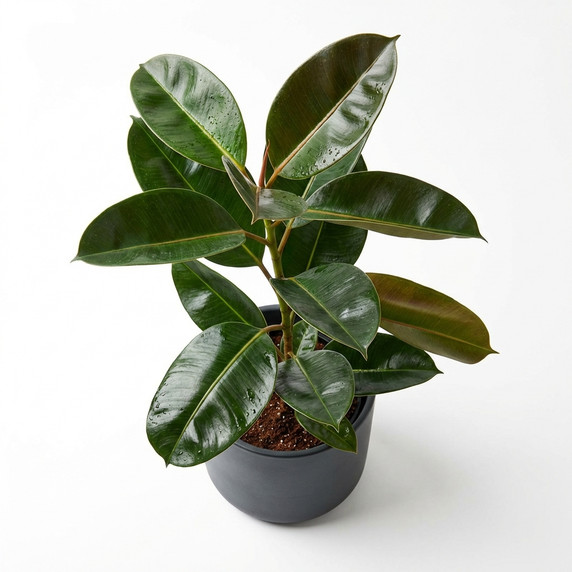
Bring instant structure and greenery to any room with Dracaena fragrans. Its rich, glossy foliage and upright canes create a premium “indoor tree” look without demanding care. Perfect for busy homes, offices, and reception areas—just give it indirect light, water when the soil dries, and enjoy a long-lasting, professional finish year-round.
1. Basic Identification
Common Name: Corn Plant, Mass Cane, Dragon Tree
Botanical Name: Dracaena fragrans
Variant: Standard
Color: Natural Green
Country: Tropical Africa
Arabic Name: دراسينا
Stems: Single or multiple woody canes
2. Taxonomy & Classification
Kingdom: Plantae
Clade: Tracheophytes
Order: Asparagales
Family: Asparagaceae
Genus: Dracaena
Species: D. fragrans
3. Origin & Distribution
Dracaena fragrans is native to various regions throughout tropical Africa, ranging from Sudan to Mozambique and West Africa. It has become a widely naturalized and popular indoor plant globally due to its adaptability to indoor climates.
4. Visual Characteristics
This plant features thick, woody stems or "canes" from which rosettes of long, sword-shaped leaves grow. The leaves are typically dark green, glossy, and arching. In its natural habitat or under perfect conditions, it can produce highly fragrant white flowers, though this is rare indoors.
5. Size & Dimensions
Indoors, Dracaena fragrans typically grows between 4 to 6 feet tall, though it can reach up to 10 feet if space allows. The spread is usually confined to the width of the leaf rosettes, typically 1 to 2 feet wide.
6. Light Requirements
Thrives in bright, indirect light. It can tolerate lower light levels, but growth will be slower. Avoid direct sunlight, which can scorch the leaves and cause brown patches.
7. Watering Needs
Water thoroughly when the top 50% to 75% of the soil has dried out. It is drought-tolerant and sensitive to overwatering; yellow leaves or soggy canes are signs of excess moisture. Using filtered water is recommended as they are sensitive to fluoride in tap water.
8. Soil & Potting
Requires a loose, well-draining potting mix. A standard indoor potting soil amended with perlite or peat moss works well to ensure proper aeration and drainage.
9. Temperature & Humidity
Prefers temperatures between 18°C and 24°C (65°F–75°F). Keep it away from cold drafts and air conditioning vents. While it tolerates average household humidity, it appreciates occasional misting or a pebble tray in dry environments.
10. Fertilization
Feed with a balanced, water-soluble liquid fertilizer once a month during the growing season (spring and summer). Do not fertilize in the winter when the plant's growth slows down.
11. Maintenance & Care Level
Low maintenance. Care involves wiping the leaves with a damp cloth to remove dust and maintain their shine, and pruning any brown tips or yellowing lower leaves to keep the plant looking tidy.
12. Growth & Propagation
A slow-growing plant. Propagation is most easily achieved through stem cuttings or "cane" segments placed in water or directly into moist soil, where they will eventually develop new roots and shoots.
13. Common Problems
Common issues include brown leaf tips (often caused by dry air or fluoride in water) and spider mites or mealybugs. Overwatering can lead to root rot, characterized by a soft or mushy stem.
14. Benefits & Uses
Recognized by NASA for its air-purifying qualities, it helps remove toxins like formaldehyde, benzene, and trichloroethylene from the air. It is an excellent choice for adding height and a tropical feel to interior design.
15. Toxicity & Safety
Dracaena fragrans is toxic to dogs and cats if ingested. It contains saponins, which can cause vomiting, salivation, and dilated pupils in pets. It is generally considered non-toxic to humans but may cause mild stomach upset if leaves are consumed.