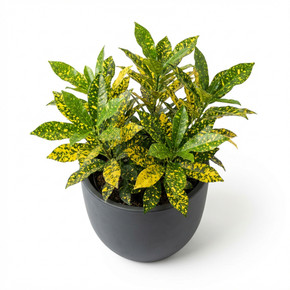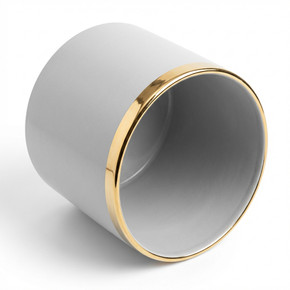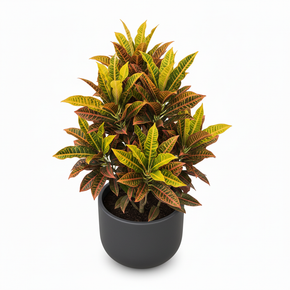



Bring instant tropical drama to your space with Croton—thick, glossy leaves painted in greens, yellows, reds, and deep burgundy. Ideal for bright rooms, receptions, and statement corners, it rewards good light with even stronger color. Choose Croton when you want a premium decorative plant that looks curated all year long.
Common Name: Croton
Botanical Name: Codiaeum variegatum
Arabic Name: كروتون
Variant: Standard
Color: Multicolor
Stems: 4
Family: Euphorbiaceae
Croton (Codiaeum variegatum) belongs to the family Euphorbiaceae. While commonly called "Croton," it should not be confused with the genus Croton, which also belongs to the same family but contains different species. It is a perennial evergreen shrub known for its diverse leaf shapes and vibrant variegation.
This species is native to the tropical regions of Southeast Asia, including Indonesia, Malaysia, and the western Pacific Islands. In its native habitat, it grows in open forests and scrublands.
The Croton is prized for its thick, leathery, and glossy foliage. The leaves exhibit a stunning array of colors including yellow, pink, orange, red, bronze, and green, often with contrasting veins or spots. Leaf shapes can vary significantly between cultivars, ranging from broad and ovate to narrow, linear, or even lobed.
When grown indoors, Crotons typically reach a height of 3 to 6 feet (90 to 180 cm) and a spread of 2 to 3 feet. In tropical outdoor climates, they can grow into large shrubs or small trees up to 10 feet tall.
To maintain its vibrant leaf colors, Croton requires bright, indirect light. It can tolerate some direct morning sun, but intense afternoon sun may scorch the leaves. Low-light conditions will cause the plant to lose its variegation and turn mostly green.
Crotons prefer consistently moist but well-drained soil. Water the plant when the top inch of soil feels dry to the touch. Avoid letting the plant sit in standing water, as this can lead to root rot, but do not allow the soil to dry out completely.
Use a rich, well-draining potting mix. A peat-based mix with added perlite or sand for drainage is ideal. Repotting is generally required every 2 years or when the plant becomes root-bound.
As a tropical plant, Croton thrives in temperatures between 60°F and 85°F (15°C to 29°C). It is sensitive to cold drafts and temperatures below 50°F (10°C). High humidity is essential; consider misting the leaves regularly or using a humidifier.
Feed with a balanced, water-soluble fertilizer once a month during the growing season (spring and summer). Reduce or stop fertilization during the autumn and winter months when the plant's growth slows.
The care level is moderate. Crotons are sensitive to environmental changes and may drop leaves if moved frequently or if they experience sudden temperature fluctuations. Wiping the leaves with a damp cloth helps keep them clean and free of dust.
Crotons have a moderate growth rate. They are most easily propagated through stem cuttings or air layering during the spring or early summer when the plant is most active.
Common issues include leaf drop due to stress or cold, and pests such as spider mites, mealybugs, and scale insects. Maintaining high humidity and checking the undersides of leaves can help prevent these problems.
The Croton is primarily used as an ornamental statement plant in homes, offices, and lobbies. Its bold colors make it a popular choice for interior design and landscaping in frost-free climates.
Croton is considered toxic to both humans and pets. If ingested, it can cause nausea and vomiting. The milky sap (latex) can cause skin irritation or dermatitis in sensitive individuals. It is recommended to wear gloves when pruning.
Bring instant tropical drama to your space with Croton—thick, glossy leaves painted in greens, yellows, reds, and deep burgundy. Ideal for bright rooms, receptions, and statement corners, it rewards good light with even stronger color. Choose Croton when you want a premium decorative plant that looks curated all year long.
Common Name: Croton
Botanical Name: Codiaeum variegatum
Arabic Name: كروتون
Variant: Standard
Color: Multicolor
Stems: 4
Family: Euphorbiaceae
Croton (Codiaeum variegatum) belongs to the family Euphorbiaceae. While commonly called "Croton," it should not be confused with the genus Croton, which also belongs to the same family but contains different species. It is a perennial evergreen shrub known for its diverse leaf shapes and vibrant variegation.
This species is native to the tropical regions of Southeast Asia, including Indonesia, Malaysia, and the western Pacific Islands. In its native habitat, it grows in open forests and scrublands.
The Croton is prized for its thick, leathery, and glossy foliage. The leaves exhibit a stunning array of colors including yellow, pink, orange, red, bronze, and green, often with contrasting veins or spots. Leaf shapes can vary significantly between cultivars, ranging from broad and ovate to narrow, linear, or even lobed.
When grown indoors, Crotons typically reach a height of 3 to 6 feet (90 to 180 cm) and a spread of 2 to 3 feet. In tropical outdoor climates, they can grow into large shrubs or small trees up to 10 feet tall.
To maintain its vibrant leaf colors, Croton requires bright, indirect light. It can tolerate some direct morning sun, but intense afternoon sun may scorch the leaves. Low-light conditions will cause the plant to lose its variegation and turn mostly green.
Crotons prefer consistently moist but well-drained soil. Water the plant when the top inch of soil feels dry to the touch. Avoid letting the plant sit in standing water, as this can lead to root rot, but do not allow the soil to dry out completely.
Use a rich, well-draining potting mix. A peat-based mix with added perlite or sand for drainage is ideal. Repotting is generally required every 2 years or when the plant becomes root-bound.
As a tropical plant, Croton thrives in temperatures between 60°F and 85°F (15°C to 29°C). It is sensitive to cold drafts and temperatures below 50°F (10°C). High humidity is essential; consider misting the leaves regularly or using a humidifier.
Feed with a balanced, water-soluble fertilizer once a month during the growing season (spring and summer). Reduce or stop fertilization during the autumn and winter months when the plant's growth slows.
The care level is moderate. Crotons are sensitive to environmental changes and may drop leaves if moved frequently or if they experience sudden temperature fluctuations. Wiping the leaves with a damp cloth helps keep them clean and free of dust.
Crotons have a moderate growth rate. They are most easily propagated through stem cuttings or air layering during the spring or early summer when the plant is most active.
Common issues include leaf drop due to stress or cold, and pests such as spider mites, mealybugs, and scale insects. Maintaining high humidity and checking the undersides of leaves can help prevent these problems.
The Croton is primarily used as an ornamental statement plant in homes, offices, and lobbies. Its bold colors make it a popular choice for interior design and landscaping in frost-free climates.
Croton is considered toxic to both humans and pets. If ingested, it can cause nausea and vomiting. The milky sap (latex) can cause skin irritation or dermatitis in sensitive individuals. It is recommended to wear gloves when pruning.
Take 20% off your first order
Enter the code below at checkout to get 20% off your first order