

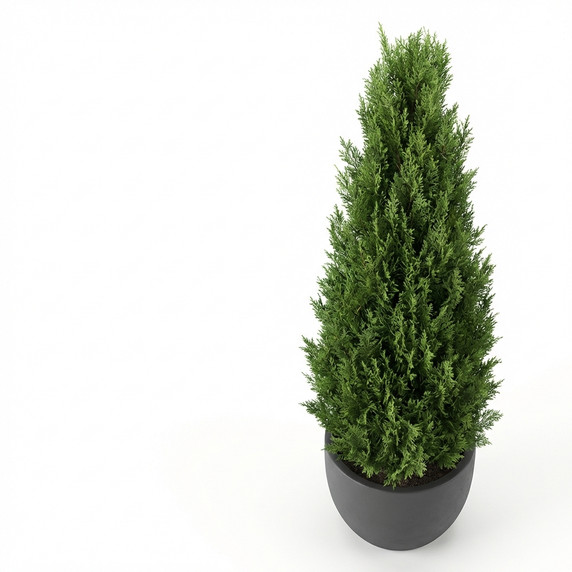


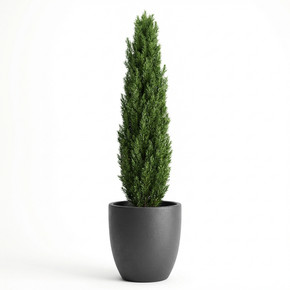
Add instant structure and a clean, fresh fragrance to your space with Lemon Cypress 'Goldcrest'. Its naturally narrow pyramid looks premium at entrances and patios, stays neat with light trimming, and delivers year-round evergreen color. A top choice for modern outdoor styling in pots or as a striking landscape accent.
Common Name: Lemon Cypress 'Goldcrest'
Botanical Name: Cupressus macrocarpa 'Goldcrest'
Former Name: Not available
Plant Type: Ornamental evergreen conifer (cultivar)
Plant Code / SKU: PLT-0120
Alternative Names:
Lemon Cypress
Goldcrest Monterey Cypress
Monterey Cypress 'Goldcrest'
سرو ليمونى هرمي
Order: Pinales
Family: Cupressaceae
Genus: Cupressus
Species: Cupressus macrocarpa
Cultivar: 'Goldcrest'
Native to the Monterey Peninsula, California, USA. Widely cultivated as an ornamental in USDA zones 7–10. Naturalized in Mediterranean‐climate regions of Europe, Australia, New Zealand and parts of South Africa.
Evergreen conifer with a narrow, upright pyramidal habit. Foliage composed of dense, scale‐like leaves that emerge bright golden yellow, aging to yellow‐green. Young shoots emit a lemony fragrance when crushed. Bark smooth and greyish brown. Produces small globose cones approximately 1–2 cm in diameter.
Typical height: 2–3 m (6–10 ft) when grown in containers; up to 6–8 m (20–26 ft) in the landscape. Spread: 1–1.5 m (3–5 ft). Annual growth rate: 30–45 cm (12–18 in).
Requires full sun for best foliage color (minimum 6 hours direct sunlight daily). Tolerates light afternoon shade but may become leggy and lose vibrant coloration in deep shade.
Moderate watering. Keep soil evenly moist during establishment (first 12 months). Once established, drought tolerant; water deeply but infrequently, allowing the top 2–3 cm of soil to dry between waterings. Avoid waterlogged conditions.
Prefers well-draining soils such as sandy loam or loamy soils with pH slightly acidic to neutral (6.0–7.5). For container culture, use a mix of peat or coir, sharp sand, and perlite or bark fines to ensure good drainage and aeration.
Hardy in USDA zones 7–10 (down to –12 °C/10 °F). Thrives in mild coastal climates. Tolerates moderate humidity; requires good air circulation to prevent fungal issues.
Apply a balanced slow‐release fertilizer (e.g., 10-10-10) in early spring. A second light application in midsummer can support growth. Avoid over-fertilization, which can reduce foliage color intensity.
Low to medium maintenance. Light annual pruning or shearing in late spring to maintain shape and encourage dense growth. Remove dead or diseased foliage promptly. No intensive care required.
Propagation is most successful via semi‐hardwood cuttings taken in summer. Use rooting hormone and maintain at 21–24 °C with high humidity; roots form in 4–8 weeks. Seed propagation possible but cultivar traits may not be uniform.
Susceptible to cypress canker (Seiridium cardinale), especially in humid or poorly drained sites. Overwatering can lead to root rot. Pests include spider mites, aphids, and bagworms. Ensure good drainage and monitor regularly; treat fungal issues with appropriate fungicides and pests with horticultural oil or insecticidal soap.
Excellent as a focal specimen in containers or landscape beds. Used for narrow screens, hedges, topiary and architectural accents. Releases a pleasant citrus fragrance when foliage is brushed. Popular for modern outdoor styling and holiday decorations.
Non-toxic to humans and pets. Safe for family and pet-friendly gardens. No known allergenic properties.
Add instant structure and a clean, fresh fragrance to your space with Lemon Cypress 'Goldcrest'. Its naturally narrow pyramid looks premium at entrances and patios, stays neat with light trimming, and delivers year-round evergreen color. A top choice for modern outdoor styling in pots or as a striking landscape accent.
Common Name: Lemon Cypress 'Goldcrest'
Botanical Name: Cupressus macrocarpa 'Goldcrest'
Former Name: Not available
Plant Type: Ornamental evergreen conifer (cultivar)
Plant Code / SKU: PLT-0120
Alternative Names:
Lemon Cypress
Goldcrest Monterey Cypress
Monterey Cypress 'Goldcrest'
سرو ليمونى هرمي
Order: Pinales
Family: Cupressaceae
Genus: Cupressus
Species: Cupressus macrocarpa
Cultivar: 'Goldcrest'
Native to the Monterey Peninsula, California, USA. Widely cultivated as an ornamental in USDA zones 7–10. Naturalized in Mediterranean‐climate regions of Europe, Australia, New Zealand and parts of South Africa.
Evergreen conifer with a narrow, upright pyramidal habit. Foliage composed of dense, scale‐like leaves that emerge bright golden yellow, aging to yellow‐green. Young shoots emit a lemony fragrance when crushed. Bark smooth and greyish brown. Produces small globose cones approximately 1–2 cm in diameter.
Typical height: 2–3 m (6–10 ft) when grown in containers; up to 6–8 m (20–26 ft) in the landscape. Spread: 1–1.5 m (3–5 ft). Annual growth rate: 30–45 cm (12–18 in).
Requires full sun for best foliage color (minimum 6 hours direct sunlight daily). Tolerates light afternoon shade but may become leggy and lose vibrant coloration in deep shade.
Moderate watering. Keep soil evenly moist during establishment (first 12 months). Once established, drought tolerant; water deeply but infrequently, allowing the top 2–3 cm of soil to dry between waterings. Avoid waterlogged conditions.
Prefers well-draining soils such as sandy loam or loamy soils with pH slightly acidic to neutral (6.0–7.5). For container culture, use a mix of peat or coir, sharp sand, and perlite or bark fines to ensure good drainage and aeration.
Hardy in USDA zones 7–10 (down to –12 °C/10 °F). Thrives in mild coastal climates. Tolerates moderate humidity; requires good air circulation to prevent fungal issues.
Apply a balanced slow‐release fertilizer (e.g., 10-10-10) in early spring. A second light application in midsummer can support growth. Avoid over-fertilization, which can reduce foliage color intensity.
Low to medium maintenance. Light annual pruning or shearing in late spring to maintain shape and encourage dense growth. Remove dead or diseased foliage promptly. No intensive care required.
Propagation is most successful via semi‐hardwood cuttings taken in summer. Use rooting hormone and maintain at 21–24 °C with high humidity; roots form in 4–8 weeks. Seed propagation possible but cultivar traits may not be uniform.
Susceptible to cypress canker (Seiridium cardinale), especially in humid or poorly drained sites. Overwatering can lead to root rot. Pests include spider mites, aphids, and bagworms. Ensure good drainage and monitor regularly; treat fungal issues with appropriate fungicides and pests with horticultural oil or insecticidal soap.
Excellent as a focal specimen in containers or landscape beds. Used for narrow screens, hedges, topiary and architectural accents. Releases a pleasant citrus fragrance when foliage is brushed. Popular for modern outdoor styling and holiday decorations.
Non-toxic to humans and pets. Safe for family and pet-friendly gardens. No known allergenic properties.




Take 20% off your first order
Enter the code below at checkout to get 20% off your first order