


Cycadaceae
Cycas revoluta
Sellum is a stunning foliage houseplant known for its large, deeply lobed, and glossy green leaves that add a dramatic tropical feel to any interior space. It is a robust and relatively easy-to-care-for plant, making it a favorite for both homes and offices.
1. Basic Identification
Common Name: Sellum, Tree Philodendron, Lace Tree Philodendron
Botanical Name: Thaumatophyllum bipinnatifidum
Arabic Name: سيلوم
Family: Araceae
Location: Indoor
2. Taxonomy & Classification
Kingdom: Plantae
Clade: Tracheophytes
Order: Alismatales
Family: Araceae
Genus: Thaumatophyllum
Species: T. bipinnatifidum
3. Origin & Distribution
The Sellum is native to South America, specifically found in the tropical regions of Brazil, Paraguay, Bolivia, and Argentina. It thrives in humid, forest-like environments.
4. Visual Characteristics
This plant features large, heart-shaped leaves that develop deep lobes (pinnatifid) as they mature, giving them a lacy appearance. The leaves are a rich, glossy dark green and grow from a thick, upright central stem that can become trunk-like over time.
5. Size & Dimensions
When grown indoors, a Sellum can reach a height of 5 to 8 feet and a similar spread. Its leaves alone can grow up to 3 feet long in ideal conditions.
6. Light Requirements
Prefers bright, indirect light. It can tolerate some lower light levels, but growth will be slower. Avoid direct afternoon sun, which can scorch the foliage.
7. Watering Needs
Keep the soil consistently moist but not waterlogged. Water when the top inch of soil feels dry. Ensure the pot has adequate drainage to prevent root rot.
8. Soil & Potting
Thrives in a well-draining, peat-based potting mix rich in organic matter. A mix of potting soil, perlite, and pine bark is ideal for maintaining moisture and drainage.
9. Temperature & Humidity
Prefers warm temperatures between 60°F and 80°F (15°C - 27°C). It enjoys high humidity; consider misting the leaves or using a humidifier if the air is dry.
10. Fertilization
Feed with a balanced liquid houseplant fertilizer once a month during the spring and summer growing seasons. Reduce or stop fertilization during the winter.
11. Maintenance & Care Level
Maintenance is considered low to moderate. Regularly wipe the large leaves with a damp cloth to remove dust and keep the stomata clear for healthy respiration.
12. Growth & Propagation
Moderate growth rate. It can be propagated through stem cuttings that include a node or by seed, though stem cuttings are more common and successful for home growers.
13. Common Problems
Can be susceptible to spider mites, mealybugs, and scale. Yellowing leaves often indicate overwatering, while brown edges may suggest low humidity or salt buildup from tap water.
14. Benefits & Uses
An excellent air-purifying plant known for removing common indoor toxins. Its dramatic size makes it a perfect focal point for living rooms, lobbies, and office spaces.
15. Toxicity & Safety
Toxic to both humans and pets if ingested. The plant contains calcium oxalate crystals, which cause immediate irritation and swelling of the mouth, tongue, and throat.
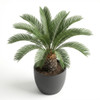
Cycas revoluta

Sellum is a stunning foliage houseplant known for its large, deeply lobed, and glossy green leaves that add a dramatic tropical feel to any interior space. It is a robust and relatively easy-to-care-for plant, making it a favorite for both homes and offices.
1. Basic Identification
Common Name: Sellum, Tree Philodendron, Lace Tree Philodendron
Botanical Name: Thaumatophyllum bipinnatifidum
Arabic Name: سيلوم
Family: Araceae
Location: Indoor
2. Taxonomy & Classification
Kingdom: Plantae
Clade: Tracheophytes
Order: Alismatales
Family: Araceae
Genus: Thaumatophyllum
Species: T. bipinnatifidum
3. Origin & Distribution
The Sellum is native to South America, specifically found in the tropical regions of Brazil, Paraguay, Bolivia, and Argentina. It thrives in humid, forest-like environments.
4. Visual Characteristics
This plant features large, heart-shaped leaves that develop deep lobes (pinnatifid) as they mature, giving them a lacy appearance. The leaves are a rich, glossy dark green and grow from a thick, upright central stem that can become trunk-like over time.
5. Size & Dimensions
When grown indoors, a Sellum can reach a height of 5 to 8 feet and a similar spread. Its leaves alone can grow up to 3 feet long in ideal conditions.
6. Light Requirements
Prefers bright, indirect light. It can tolerate some lower light levels, but growth will be slower. Avoid direct afternoon sun, which can scorch the foliage.
7. Watering Needs
Keep the soil consistently moist but not waterlogged. Water when the top inch of soil feels dry. Ensure the pot has adequate drainage to prevent root rot.
8. Soil & Potting
Thrives in a well-draining, peat-based potting mix rich in organic matter. A mix of potting soil, perlite, and pine bark is ideal for maintaining moisture and drainage.
9. Temperature & Humidity
Prefers warm temperatures between 60°F and 80°F (15°C - 27°C). It enjoys high humidity; consider misting the leaves or using a humidifier if the air is dry.
10. Fertilization
Feed with a balanced liquid houseplant fertilizer once a month during the spring and summer growing seasons. Reduce or stop fertilization during the winter.
11. Maintenance & Care Level
Maintenance is considered low to moderate. Regularly wipe the large leaves with a damp cloth to remove dust and keep the stomata clear for healthy respiration.
12. Growth & Propagation
Moderate growth rate. It can be propagated through stem cuttings that include a node or by seed, though stem cuttings are more common and successful for home growers.
13. Common Problems
Can be susceptible to spider mites, mealybugs, and scale. Yellowing leaves often indicate overwatering, while brown edges may suggest low humidity or salt buildup from tap water.
14. Benefits & Uses
An excellent air-purifying plant known for removing common indoor toxins. Its dramatic size makes it a perfect focal point for living rooms, lobbies, and office spaces.
15. Toxicity & Safety
Toxic to both humans and pets if ingested. The plant contains calcium oxalate crystals, which cause immediate irritation and swelling of the mouth, tongue, and throat.