


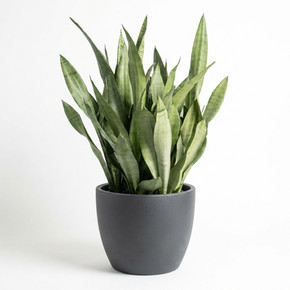
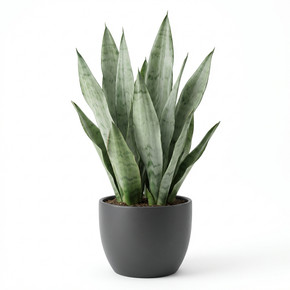


Make any space look instantly modern with the Cylindrical Snake Plant. Its bold, spear-like leaves bring clean lines to desks, corners, and reception areas—while needing surprisingly little attention. If you want a stylish plant that forgives missed waterings and stays neat year-round, this is the one. Place it in bright to medium light, water sparingly, and enjoy a durable statement plant for home or work.
Common Name: Cylindrical Snake Plant
Botanical Name: Dracaena angolensis
Former Name: Sansevieria cylindrica
Plant Type: Succulent houseplant
SKU: PLT-0458
Alternative Names:
Sansevieria cylindrica
African spear plant
Spear sansevieria
Snake plant
Snake cactus
Anaconda plant
سانسيفيريا
Order: Asparagales
Family: Asparagaceae
Subfamily: Nolinoideae
Genus: Dracaena (formerly Sansevieria)
Native to the arid regions of southwestern Angola, where it grows on rocky slopes and sandy soils. Currently widely cultivated as an ornamental plant in tropical, subtropical, and temperate regions worldwide due to its hardiness and architectural form.
Upright, cylindrical, fleshy leaves arising in a rosette from an underground rhizome;
Leaves are 1–3 cm in diameter and can reach 30–60 cm in length;
Deep green with subtle horizontal banding in natural form;
Architectural, fan-like clump that maintains a neat, vertical habit.
Average indoor height ranges from 30 to 60 cm (12–24 inches);
Spread typically 15 to 25 cm (6–10 inches);
Slow growth habit, reaching full size over several years depending on light and container size.
Thrives in bright, indirect light;
Tolerates medium to low light conditions;
Avoid prolonged direct sunlight to prevent leaf scorch.
Allow top 2.5–5 cm (1–2 inches) of soil to dry out completely between waterings;
Water sparingly—approximately every 2–6 weeks depending on indoor climate;
Reduce watering frequency during fall and winter months.
Use a well-draining succulent or cactus mix;
Amend standard potting soil with perlite, coarse sand, or pumice to improve drainage;
Ensure container has drainage holes;
Repot every 2–3 years or when root-bound.
Ideal temperature range: 18–27°C (65–80°F);
Minimum temperature: 10°C (50°F), avoid cold drafts;
Average home humidity is sufficient; overly humid or wet conditions can promote rot.
Feed monthly during the growing season (spring and summer) with a balanced, diluted liquid fertilizer (e.g., 10-10-10 or 20-20-20);
Do not fertilize in fall and winter;
Over-fertilization may cause leaf tip burn.
Very low maintenance and easy care;
Remove dead or damaged leaves by cutting at the base;
Occasional wiping of leaves to remove dust;
Ideal for beginners.
Slow to moderate grower, depending on light and conditions;
Propagated by division of rhizomes during repotting or by leaf cuttings;
Divisions should include at least one growing point;
Leaf sections root in well-draining potting mix over several weeks.
Overwatering can lead to root rot and mushy leaves;
Yellowing leaves indicate excess moisture or poor drainage;
Pests such as mealybugs, spider mites, and scale insects may occur—treat with insecticidal soap or neem oil;
Leaf browning may be caused by direct sun scorch or low humidity.
Excellent air-purifying plant, filtering formaldehyde and benzene;
Architectural form adds modern style to interiors;
Ideal for offices, living rooms, and low-light spaces;
Low-maintenance option for beginner plant owners and urban environments.
Contains saponins that are mildly toxic if ingested by pets or humans;
May cause nausea, vomiting, and diarrhea;
Wear gloves when handling if you have sensitive skin;
Keep out of reach of children and pets.
Make any space look instantly modern with the Cylindrical Snake Plant. Its bold, spear-like leaves bring clean lines to desks, corners, and reception areas—while needing surprisingly little attention. If you want a stylish plant that forgives missed waterings and stays neat year-round, this is the one. Place it in bright to medium light, water sparingly, and enjoy a durable statement plant for home or work.
Common Name: Cylindrical Snake Plant
Botanical Name: Dracaena angolensis
Former Name: Sansevieria cylindrica
Plant Type: Succulent houseplant
SKU: PLT-0458
Alternative Names:
Sansevieria cylindrica
African spear plant
Spear sansevieria
Snake plant
Snake cactus
Anaconda plant
سانسيفيريا
Order: Asparagales
Family: Asparagaceae
Subfamily: Nolinoideae
Genus: Dracaena (formerly Sansevieria)
Native to the arid regions of southwestern Angola, where it grows on rocky slopes and sandy soils. Currently widely cultivated as an ornamental plant in tropical, subtropical, and temperate regions worldwide due to its hardiness and architectural form.
Upright, cylindrical, fleshy leaves arising in a rosette from an underground rhizome;
Leaves are 1–3 cm in diameter and can reach 30–60 cm in length;
Deep green with subtle horizontal banding in natural form;
Architectural, fan-like clump that maintains a neat, vertical habit.
Average indoor height ranges from 30 to 60 cm (12–24 inches);
Spread typically 15 to 25 cm (6–10 inches);
Slow growth habit, reaching full size over several years depending on light and container size.
Thrives in bright, indirect light;
Tolerates medium to low light conditions;
Avoid prolonged direct sunlight to prevent leaf scorch.
Allow top 2.5–5 cm (1–2 inches) of soil to dry out completely between waterings;
Water sparingly—approximately every 2–6 weeks depending on indoor climate;
Reduce watering frequency during fall and winter months.
Use a well-draining succulent or cactus mix;
Amend standard potting soil with perlite, coarse sand, or pumice to improve drainage;
Ensure container has drainage holes;
Repot every 2–3 years or when root-bound.
Ideal temperature range: 18–27°C (65–80°F);
Minimum temperature: 10°C (50°F), avoid cold drafts;
Average home humidity is sufficient; overly humid or wet conditions can promote rot.
Feed monthly during the growing season (spring and summer) with a balanced, diluted liquid fertilizer (e.g., 10-10-10 or 20-20-20);
Do not fertilize in fall and winter;
Over-fertilization may cause leaf tip burn.
Very low maintenance and easy care;
Remove dead or damaged leaves by cutting at the base;
Occasional wiping of leaves to remove dust;
Ideal for beginners.
Slow to moderate grower, depending on light and conditions;
Propagated by division of rhizomes during repotting or by leaf cuttings;
Divisions should include at least one growing point;
Leaf sections root in well-draining potting mix over several weeks.
Overwatering can lead to root rot and mushy leaves;
Yellowing leaves indicate excess moisture or poor drainage;
Pests such as mealybugs, spider mites, and scale insects may occur—treat with insecticidal soap or neem oil;
Leaf browning may be caused by direct sun scorch or low humidity.
Excellent air-purifying plant, filtering formaldehyde and benzene;
Architectural form adds modern style to interiors;
Ideal for offices, living rooms, and low-light spaces;
Low-maintenance option for beginner plant owners and urban environments.
Contains saponins that are mildly toxic if ingested by pets or humans;
May cause nausea, vomiting, and diarrhea;
Wear gloves when handling if you have sensitive skin;
Keep out of reach of children and pets.






Take 20% off your first order
Enter the code below at checkout to get 20% off your first order