





Bring enduring Mediterranean charm to your outdoor space with our Dwarf Oleander. This compact shrub is a true survivor, thriving in full sun and heat while producing a spectacular show of vibrant flowers all summer long. Perfect for busy gardeners or those with challenging sunny spots, it requires minimal watering once established. Ideal for pots, balconies, or garden beds, it offers year-round green foliage and seasonal color. **Warning: All parts of this plant are highly toxic. Handle with gloves and place out of reach of children and pets.**
Common Name: Dwarf Oleander / دفلة
Botanical Name: Nerium oleander 'Nana'
Variant: Dwarf
Plant Color: Green
Plant Country: Italy
Kingdom: Plantae
Order: Gentianales
Family: Apocynaceae
Genus: Nerium
Species: Nerium oleander
Oleanders are native to a broad area spanning from the Mediterranean basin to the Arabian Peninsula and southern Asia. The dwarf cultivar 'Nana' has been widely naturalized in warm temperate and subtropical regions globally for ornamental use.
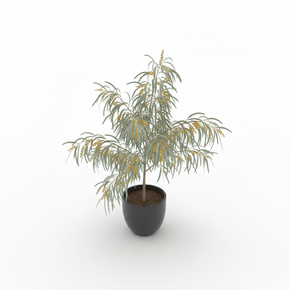
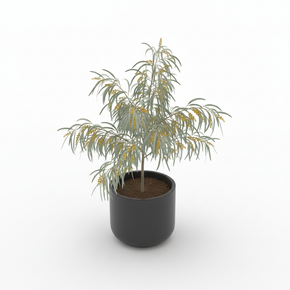
This variety features dense, evergreen foliage with narrow, leathery, lance-shaped leaves of a dark green hue. It produces clusters of single or double funnel-shaped flowers, typically in shades of light pink, rose, or white, which bloom primarily during the warmer months.
Height: 3 to 6 feet (0.9–1.8 meters)
Spread: 3 to 6 feet (0.9–1.8 meters)
The 'Nana' cultivar is significantly more compact than standard oleanders, which can reach up to 20 feet.
Full Sun. For optimal growth and prolific blooming, this plant requires at least 6 to 8 hours of direct sunlight daily. It can tolerate partial shade, though flowering will be diminished.
Dwarf Oleanders are highly drought-tolerant once established. Water regularly during the first growing season to develop a deep root system. Afterwards, allow the soil to dry out significantly between waterings. Avoid overwatering as it can lead to root rot.
Tolerant of a wide range of soil types, including poor, sandy, or clay soils, provided there is good drainage. It performs well in neutral to slightly alkaline pH levels. When potting, use a well-draining potting mix and a container with adequate drainage holes.
Thrives in hot, dry climates and is highly heat-resistant. It is hardy in USDA zones 8-11. While it can withstand occasional light frost, temperatures below -5°C (23°F) may damage the foliage.
Feed with a balanced, slow-release fertilizer in early spring and again in mid-summer to support healthy growth and flowering. Avoid high-nitrogen fertilizers which may encourage foliage at the expense of blooms.
Care Ease: Yes. Low maintenance. Pruning is rarely necessary but can be done in late winter or early spring to maintain shape or encourage bushiness. Always wear gloves and long sleeves when pruning due to toxic sap.
Moderate growth rate. Propagation is most successful via semi-hardwood cuttings taken in the summer. It can also be grown from seed, though cultivars like 'Nana' may not come true to the parent plant from seed.
Susceptible to Oleander Aphids (bright yellow), scale insects, and mealybugs. In some regions, Oleander Leaf Scorch (caused by Xylella fastidiosa bacteria) can be a concern. Yellowing leaves often indicate overwatering or poor drainage.
Excellent for xeriscaping, coastal gardens (due to salt tolerance), and low-maintenance landscapes. Used frequently for low hedges, foundation plantings, or as a focal point in large containers. Its air-purifying qualities are negligible compared to its ornamental value.
EXTREMELY TOXIC. All parts of the plant, including the sap and smoke from burning branches, contain cardiac glycosides. Ingestion can be fatal to humans, dogs, cats, and livestock. Sap can cause severe skin irritation or dermatitis. Always handle with caution.
Bring enduring Mediterranean charm to your outdoor space with our Dwarf Oleander. This compact shrub is a true survivor, thriving in full sun and heat while producing a spectacular show of vibrant flowers all summer long. Perfect for busy gardeners or those with challenging sunny spots, it requires minimal watering once established. Ideal for pots, balconies, or garden beds, it offers year-round green foliage and seasonal color. **Warning: All parts of this plant are highly toxic. Handle with gloves and place out of reach of children and pets.**
Common Name: Dwarf Oleander / دفلة
Botanical Name: Nerium oleander 'Nana'
Variant: Dwarf
Plant Color: Green
Plant Country: Italy
Kingdom: Plantae
Order: Gentianales
Family: Apocynaceae
Genus: Nerium
Species: Nerium oleander
Oleanders are native to a broad area spanning from the Mediterranean basin to the Arabian Peninsula and southern Asia. The dwarf cultivar 'Nana' has been widely naturalized in warm temperate and subtropical regions globally for ornamental use.
This variety features dense, evergreen foliage with narrow, leathery, lance-shaped leaves of a dark green hue. It produces clusters of single or double funnel-shaped flowers, typically in shades of light pink, rose, or white, which bloom primarily during the warmer months.
Height: 3 to 6 feet (0.9–1.8 meters)
Spread: 3 to 6 feet (0.9–1.8 meters)
The 'Nana' cultivar is significantly more compact than standard oleanders, which can reach up to 20 feet.
Full Sun. For optimal growth and prolific blooming, this plant requires at least 6 to 8 hours of direct sunlight daily. It can tolerate partial shade, though flowering will be diminished.
Dwarf Oleanders are highly drought-tolerant once established. Water regularly during the first growing season to develop a deep root system. Afterwards, allow the soil to dry out significantly between waterings. Avoid overwatering as it can lead to root rot.
Tolerant of a wide range of soil types, including poor, sandy, or clay soils, provided there is good drainage. It performs well in neutral to slightly alkaline pH levels. When potting, use a well-draining potting mix and a container with adequate drainage holes.
Thrives in hot, dry climates and is highly heat-resistant. It is hardy in USDA zones 8-11. While it can withstand occasional light frost, temperatures below -5°C (23°F) may damage the foliage.
Feed with a balanced, slow-release fertilizer in early spring and again in mid-summer to support healthy growth and flowering. Avoid high-nitrogen fertilizers which may encourage foliage at the expense of blooms.
Care Ease: Yes. Low maintenance. Pruning is rarely necessary but can be done in late winter or early spring to maintain shape or encourage bushiness. Always wear gloves and long sleeves when pruning due to toxic sap.
Moderate growth rate. Propagation is most successful via semi-hardwood cuttings taken in the summer. It can also be grown from seed, though cultivars like 'Nana' may not come true to the parent plant from seed.
Susceptible to Oleander Aphids (bright yellow), scale insects, and mealybugs. In some regions, Oleander Leaf Scorch (caused by Xylella fastidiosa bacteria) can be a concern. Yellowing leaves often indicate overwatering or poor drainage.
Excellent for xeriscaping, coastal gardens (due to salt tolerance), and low-maintenance landscapes. Used frequently for low hedges, foundation plantings, or as a focal point in large containers. Its air-purifying qualities are negligible compared to its ornamental value.
EXTREMELY TOXIC. All parts of the plant, including the sap and smoke from burning branches, contain cardiac glycosides. Ingestion can be fatal to humans, dogs, cats, and livestock. Sap can cause severe skin irritation or dermatitis. Always handle with caution.



Take 20% off your first order
Enter the code below at checkout to get 20% off your first order