





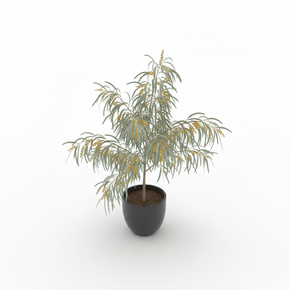
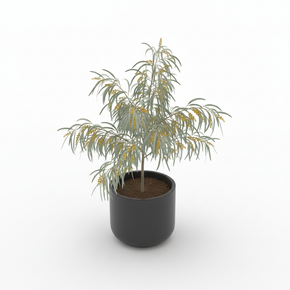
Create a breathtaking garden display with the Dwarf Pampas Grass 'Pumila'. This compact variety delivers all the drama of classic pampas grass without overwhelming your space. Its magnificent, silky plumes rise above graceful, arching foliage, catching the light and swaying beautifully in the breeze. Ideal for modern landscapes, rock gardens, or as a stunning container plant, 'Pumila' is incredibly low-maintenance and drought-tolerant once established. Add year-round texture and elegance to your outdoor oasis today.
Common Name: Dwarf Pampas Grass 'Pumila'
Botanical Name: Cortaderia selloana 'Pumila'
Arabic Name: بمبارس
Plant Variant: Pumila
Plant Color: Natural
Plant Country: Netherlands
Family: Poaceae
Kingdom: Plantae
Clade: Tracheophytes
Order: Poales
Family: Poaceae
Genus: Cortaderia
Species: Cortaderia selloana
Cultivar: 'Pumila'
The parent species is native to South America, specifically the Pampas region of Argentina, Brazil, and Chile. The 'Pumila' cultivar was specifically bred for a more compact habit and is widely distributed globally as a popular ornamental landscape grass.
This ornamental grass forms a dense, fountain-like mound of narrow, arching green leaves. In late summer and autumn, it produces spectacular, large, feathery plumes (panicles) in shades of creamy-white or ivory that stand upright on stiff stems above the foliage.
As a dwarf cultivar, 'Pumila' typically reaches a height of 1 to 1.5 meters (3 to 5 feet) and spreads about 0.9 to 1.2 meters (3 to 4 feet). It is significantly smaller and more manageable than the standard species, which can reach 3 meters or more.
Thrives in full sun. It requires at least 6 to 8 hours of direct sunlight per day to produce the best plume displays and maintain strong stems. It can tolerate light shade but may become floppy.
Low to moderate. While it prefers regular watering during its first year to establish a deep root system, it becomes exceptionally drought-tolerant once established. Avoid waterlogged soils which can cause crown rot.
Prefers well-draining soil and is adaptable to various soil types, including sandy, loamy, or clay soils, provided drainage is good. It can be grown in large containers using a high-quality, well-draining potting mix.
Hardy in USDA zones 6 through 10. It is both heat-tolerant and cold-hardy. It thrives in various humidity levels but prefers areas with good air circulation to prevent fungal issues.
Apply a balanced, slow-release fertilizer in early spring as new growth begins. Avoid excessive nitrogen, which can lead to lush leaf growth but fewer plumes.
Low maintenance. The most important care task is to cut the entire plant back to about 20-30 cm from the ground in late winter or very early spring before new shoots emerge. Wear gloves when handling as the leaf edges are extremely sharp.
Features a moderate to fast growth rate. Propagation is most successful through division of the root clumps in early spring. It is a sterile or near-sterile cultivar, meaning it does not self-seed as aggressively as the parent species.
Generally pest and disease free. The main issues are root or crown rot in poorly drained soil. The serrated leaf edges can cause skin cuts if handled without protection.
Widely used as a focal point, in rock gardens, or for mass plantings to create low-maintenance screens. The plumes are highly prized for use in fresh and dried floral arrangements and modern interior décor.
Considered non-toxic to humans, dogs, and cats. However, the leaves have sharp, razor-like edges that can cause physical injury (cuts) to curious pets or children, so placement should be considered carefully.
Create a breathtaking garden display with the Dwarf Pampas Grass 'Pumila'. This compact variety delivers all the drama of classic pampas grass without overwhelming your space. Its magnificent, silky plumes rise above graceful, arching foliage, catching the light and swaying beautifully in the breeze. Ideal for modern landscapes, rock gardens, or as a stunning container plant, 'Pumila' is incredibly low-maintenance and drought-tolerant once established. Add year-round texture and elegance to your outdoor oasis today.
Common Name: Dwarf Pampas Grass 'Pumila'
Botanical Name: Cortaderia selloana 'Pumila'
Arabic Name: بمبارس
Plant Variant: Pumila
Plant Color: Natural
Plant Country: Netherlands
Family: Poaceae
Kingdom: Plantae
Clade: Tracheophytes
Order: Poales
Family: Poaceae
Genus: Cortaderia
Species: Cortaderia selloana
Cultivar: 'Pumila'
The parent species is native to South America, specifically the Pampas region of Argentina, Brazil, and Chile. The 'Pumila' cultivar was specifically bred for a more compact habit and is widely distributed globally as a popular ornamental landscape grass.
This ornamental grass forms a dense, fountain-like mound of narrow, arching green leaves. In late summer and autumn, it produces spectacular, large, feathery plumes (panicles) in shades of creamy-white or ivory that stand upright on stiff stems above the foliage.
As a dwarf cultivar, 'Pumila' typically reaches a height of 1 to 1.5 meters (3 to 5 feet) and spreads about 0.9 to 1.2 meters (3 to 4 feet). It is significantly smaller and more manageable than the standard species, which can reach 3 meters or more.
Thrives in full sun. It requires at least 6 to 8 hours of direct sunlight per day to produce the best plume displays and maintain strong stems. It can tolerate light shade but may become floppy.
Low to moderate. While it prefers regular watering during its first year to establish a deep root system, it becomes exceptionally drought-tolerant once established. Avoid waterlogged soils which can cause crown rot.
Prefers well-draining soil and is adaptable to various soil types, including sandy, loamy, or clay soils, provided drainage is good. It can be grown in large containers using a high-quality, well-draining potting mix.
Hardy in USDA zones 6 through 10. It is both heat-tolerant and cold-hardy. It thrives in various humidity levels but prefers areas with good air circulation to prevent fungal issues.
Apply a balanced, slow-release fertilizer in early spring as new growth begins. Avoid excessive nitrogen, which can lead to lush leaf growth but fewer plumes.
Low maintenance. The most important care task is to cut the entire plant back to about 20-30 cm from the ground in late winter or very early spring before new shoots emerge. Wear gloves when handling as the leaf edges are extremely sharp.
Features a moderate to fast growth rate. Propagation is most successful through division of the root clumps in early spring. It is a sterile or near-sterile cultivar, meaning it does not self-seed as aggressively as the parent species.
Generally pest and disease free. The main issues are root or crown rot in poorly drained soil. The serrated leaf edges can cause skin cuts if handled without protection.
Widely used as a focal point, in rock gardens, or for mass plantings to create low-maintenance screens. The plumes are highly prized for use in fresh and dried floral arrangements and modern interior décor.
Considered non-toxic to humans, dogs, and cats. However, the leaves have sharp, razor-like edges that can cause physical injury (cuts) to curious pets or children, so placement should be considered carefully.


Take 20% off your first order
Enter the code below at checkout to get 20% off your first order