


New
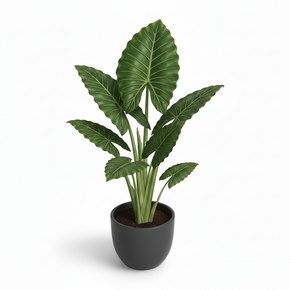




Transform your space into a tropical paradise with the magnificent Elephant Ear Plant. The Alocasia macrorrhizos isn't just a plant; it's a living sculpture. Its gigantic, vibrant green leaves command attention and create an immediate sense of drama and luxury. Perfect as a statement piece in your living room or a welcoming giant in your entryway, this fast-growing beauty brings the untamed energy of the jungle indoors. If you're ready for a plant that truly wows, the Elephant Ear is your answer. Order now and let the bold foliage begin its reign!
Common Name: Elephant Ear Plant, Giant Taro
Botanical Name: Alocasia macrorrhizos
Arabic Name: اذن الفيل
Plant Variant: Standard
Plant Color: Green
Plant Country: Netherlands
Kingdom: Plantae
Clade: Tracheophytes
Order: Alismatales
Family: Araceae
Genus: Alocasia
Species: A. macrorrhizos
Alocasia macrorrhizos is native to the tropical rainforests of Southeast Asia and the Pacific Islands. It is widely naturalized in tropical regions throughout the world due to its high ornamental value.
This plant features massive, heart-shaped (sagittate) leaves that point upwards. The foliage is a deep, glossy green with prominent light green veining. The leaves are supported by thick, succulent-like stalks that grow from a central rhizome.
Indoors, the plant typically reaches a height of 5 to 8 feet with a spread of 3 to 5 feet. Individual leaves can grow up to 3 feet in length under ideal conditions.
Prefers bright, indirect light. It can tolerate some morning sun, but direct afternoon sunlight may scorch the large leaves. It is not suitable for low-light environments.
Requires consistently moist soil. Water whenever the top inch of soil feels dry to the touch. Ensure the pot has adequate drainage to prevent waterlogging, which can lead to root rot.
Thrives in a rich, organic, and well-draining potting mix. A combination of peat moss, perlite, and a bit of compost or pine bark works best to maintain moisture while allowing air to reach the roots.
Prefers warm temperatures ranging from 65°F to 80°F (18°C - 27°C). As a tropical native, it requires high humidity (above 60%). Mist the leaves regularly or use a humidifier in dry environments.
Apply a balanced liquid fertilizer every 2 to 4 weeks during the growing season (spring and summer). Do not fertilize during the winter months when the plant's growth slows.
Maintenance Level: Moderate. Regularly wipe the large leaves with a damp cloth to remove dust. Prune away any yellowing or damaged leaves at the base to maintain the plant's health and appearance.
The Elephant Ear is a fast-grower. It can be propagated through the division of its underground rhizomes or by separating the small "pups" or offsets that grow at the base of the mother plant.
Susceptible to pests like spider mites and aphids, particularly in dry conditions. Overwatering is the most common cause of yellowing leaves and root rot.
An excellent air-purifying plant that filters indoor toxins. It serves as a dramatic focal point in large rooms, lobbies, and executive offices, adding a lush, tropical aesthetic to interior spaces.
Highly toxic to humans and pets if ingested. The plant contains calcium oxalate crystals which cause severe irritation of the mouth and throat. Keep out of reach of children and animals.
Transform your space into a tropical paradise with the magnificent Elephant Ear Plant. The Alocasia macrorrhizos isn't just a plant; it's a living sculpture. Its gigantic, vibrant green leaves command attention and create an immediate sense of drama and luxury. Perfect as a statement piece in your living room or a welcoming giant in your entryway, this fast-growing beauty brings the untamed energy of the jungle indoors. If you're ready for a plant that truly wows, the Elephant Ear is your answer. Order now and let the bold foliage begin its reign!
Common Name: Elephant Ear Plant, Giant Taro
Botanical Name: Alocasia macrorrhizos
Arabic Name: اذن الفيل
Plant Variant: Standard
Plant Color: Green
Plant Country: Netherlands
Kingdom: Plantae
Clade: Tracheophytes
Order: Alismatales
Family: Araceae
Genus: Alocasia
Species: A. macrorrhizos
Alocasia macrorrhizos is native to the tropical rainforests of Southeast Asia and the Pacific Islands. It is widely naturalized in tropical regions throughout the world due to its high ornamental value.
This plant features massive, heart-shaped (sagittate) leaves that point upwards. The foliage is a deep, glossy green with prominent light green veining. The leaves are supported by thick, succulent-like stalks that grow from a central rhizome.
Indoors, the plant typically reaches a height of 5 to 8 feet with a spread of 3 to 5 feet. Individual leaves can grow up to 3 feet in length under ideal conditions.
Prefers bright, indirect light. It can tolerate some morning sun, but direct afternoon sunlight may scorch the large leaves. It is not suitable for low-light environments.
Requires consistently moist soil. Water whenever the top inch of soil feels dry to the touch. Ensure the pot has adequate drainage to prevent waterlogging, which can lead to root rot.
Thrives in a rich, organic, and well-draining potting mix. A combination of peat moss, perlite, and a bit of compost or pine bark works best to maintain moisture while allowing air to reach the roots.
Prefers warm temperatures ranging from 65°F to 80°F (18°C - 27°C). As a tropical native, it requires high humidity (above 60%). Mist the leaves regularly or use a humidifier in dry environments.
Apply a balanced liquid fertilizer every 2 to 4 weeks during the growing season (spring and summer). Do not fertilize during the winter months when the plant's growth slows.
Maintenance Level: Moderate. Regularly wipe the large leaves with a damp cloth to remove dust. Prune away any yellowing or damaged leaves at the base to maintain the plant's health and appearance.
The Elephant Ear is a fast-grower. It can be propagated through the division of its underground rhizomes or by separating the small "pups" or offsets that grow at the base of the mother plant.
Susceptible to pests like spider mites and aphids, particularly in dry conditions. Overwatering is the most common cause of yellowing leaves and root rot.
An excellent air-purifying plant that filters indoor toxins. It serves as a dramatic focal point in large rooms, lobbies, and executive offices, adding a lush, tropical aesthetic to interior spaces.
Highly toxic to humans and pets if ingested. The plant contains calcium oxalate crystals which cause severe irritation of the mouth and throat. Keep out of reach of children and animals.






Take 20% off your first order
Enter the code below at checkout to get 20% off your first order