




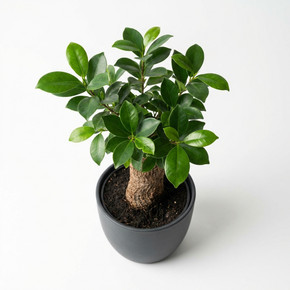
The Sellum (Thaumatophyllum bipinnatifidum) is a magnificent, tropical foliage plant known for its dramatic, deeply lobed leaves that create a lush, jungle-like atmosphere. Often referred to as the Tree Philodendron, it features glossy, dark green leaves that can grow impressively large, making it a perfect statement piece for spacious interiors. This resilient plant is not only visually stunning but also highly adaptable, making it a favorite for both novice and experienced plant enthusiasts looking to add a touch of the tropics to their home or office.
Common Name: Sellum, Tree Philodendron, Lace Tree Philodendron
Botanical Name: Thaumatophyllum bipinnatifidum
Arabic Name: سيلوم (Sellum)
Plant Variant: Species
Plant Color: Deep Green
Plant Country: South America (Brazil, Argentina, Bolivia, Paraguay)
Stems: Multi-stemmed when young, developing a thick, woody trunk with age
Family: Araceae
Location: Indoor
The Sellum belongs to the kingdom Plantae, order Alismatales, and the family Araceae (Aroids). While long classified under the genus Philodendron (as Philodendron bipinnatifidum), recent DNA testing has reclassified it into the genus Thaumatophyllum. It is a monocotyledonous flowering plant.
Native to the tropical regions of South America, specifically Brazil, Argentina, Bolivia, and Paraguay. It thrives in humid, subtropical environments and has been naturalized in many warm climates globally, including parts of the United States and Australia.
This plant is characterized by its large, leathery, and deeply pinnatifid (deeply lobed) leaves that can reach up to 3 feet in length. As the plant matures, it develops a sturdy, upright trunk marked with "eye-shaped" leaf scars where old foliage has dropped. The leaves are typically a glossy dark green.
Indoors, the Sellum typically grows 3 to 5 feet tall and wide, though it can grow larger if provided with a spacious environment. Outdoors in optimal conditions, it can reach massive proportions of 10-15 feet in height and width.
Prefers bright, indirect light to maintain its vibrant green color and compact shape. It can tolerate medium light conditions, though growth will be slower and leaves may be smaller. Avoid prolonged direct afternoon sun, which can scorch the foliage.
Requires consistently moist soil during the growing season. Water the plant when the top 1–2 inches of soil feel dry to the touch. Ensure proper drainage to prevent root rot; the plant does not like to sit in standing water.
Thrives in a rich, well-draining potting mix. A blend containing peat moss, perlite, and organic compost is ideal. Being an aroid, it appreciates a soil structure that allows for aeration around the roots.
Prefers warm temperatures between 65°F and 85°F (18°C–29°C). It is sensitive to frost and should be kept away from cold drafts. As a tropical native, it enjoys high humidity but adapts well to average household humidity levels.
Feed with a balanced, water-soluble liquid fertilizer monthly during the spring and summer months. Reduce feeding in the fall and winter when the plant’s growth naturally slows down.
Easy to Medium. Maintenance involves wiping the large leaves with a damp cloth to remove dust and maintain photosynthesis. Pruning is rarely needed except to remove older, yellowing leaves at the base of the trunk.
It is a relatively fast-growing plant. Propagation is typically achieved through seeds or by stem cuttings, although the latter can be difficult due to the plant's trunk-like growth habit. Professional growers often use tissue culture.
Susceptible to overwatering, which leads to yellowing leaves and root rot. Common pests include spider mites, thrips, and mealybugs. Brown leaf tips may indicate low humidity or the use of chemically treated tap water.
Excellent for air purification, known to help remove toxins like formaldehyde from indoor environments. Its large size and architectural form make it a popular choice for lobbies, offices, and large living spaces.
Toxic to both humans and pets. Like most aroids, it contains calcium oxalate crystals, which can cause swelling of the mouth, tongue, and throat, as well as digestive distress if ingested.
The Sellum (Thaumatophyllum bipinnatifidum) is a magnificent, tropical foliage plant known for its dramatic, deeply lobed leaves that create a lush, jungle-like atmosphere. Often referred to as the Tree Philodendron, it features glossy, dark green leaves that can grow impressively large, making it a perfect statement piece for spacious interiors. This resilient plant is not only visually stunning but also highly adaptable, making it a favorite for both novice and experienced plant enthusiasts looking to add a touch of the tropics to their home or office.
Common Name: Sellum, Tree Philodendron, Lace Tree Philodendron
Botanical Name: Thaumatophyllum bipinnatifidum
Arabic Name: سيلوم (Sellum)
Plant Variant: Species
Plant Color: Deep Green
Plant Country: South America (Brazil, Argentina, Bolivia, Paraguay)
Stems: Multi-stemmed when young, developing a thick, woody trunk with age
Family: Araceae
Location: Indoor
The Sellum belongs to the kingdom Plantae, order Alismatales, and the family Araceae (Aroids). While long classified under the genus Philodendron (as Philodendron bipinnatifidum), recent DNA testing has reclassified it into the genus Thaumatophyllum. It is a monocotyledonous flowering plant.
Native to the tropical regions of South America, specifically Brazil, Argentina, Bolivia, and Paraguay. It thrives in humid, subtropical environments and has been naturalized in many warm climates globally, including parts of the United States and Australia.
This plant is characterized by its large, leathery, and deeply pinnatifid (deeply lobed) leaves that can reach up to 3 feet in length. As the plant matures, it develops a sturdy, upright trunk marked with "eye-shaped" leaf scars where old foliage has dropped. The leaves are typically a glossy dark green.
Indoors, the Sellum typically grows 3 to 5 feet tall and wide, though it can grow larger if provided with a spacious environment. Outdoors in optimal conditions, it can reach massive proportions of 10-15 feet in height and width.
Prefers bright, indirect light to maintain its vibrant green color and compact shape. It can tolerate medium light conditions, though growth will be slower and leaves may be smaller. Avoid prolonged direct afternoon sun, which can scorch the foliage.
Requires consistently moist soil during the growing season. Water the plant when the top 1–2 inches of soil feel dry to the touch. Ensure proper drainage to prevent root rot; the plant does not like to sit in standing water.
Thrives in a rich, well-draining potting mix. A blend containing peat moss, perlite, and organic compost is ideal. Being an aroid, it appreciates a soil structure that allows for aeration around the roots.
Prefers warm temperatures between 65°F and 85°F (18°C–29°C). It is sensitive to frost and should be kept away from cold drafts. As a tropical native, it enjoys high humidity but adapts well to average household humidity levels.
Feed with a balanced, water-soluble liquid fertilizer monthly during the spring and summer months. Reduce feeding in the fall and winter when the plant’s growth naturally slows down.
Easy to Medium. Maintenance involves wiping the large leaves with a damp cloth to remove dust and maintain photosynthesis. Pruning is rarely needed except to remove older, yellowing leaves at the base of the trunk.
It is a relatively fast-growing plant. Propagation is typically achieved through seeds or by stem cuttings, although the latter can be difficult due to the plant's trunk-like growth habit. Professional growers often use tissue culture.
Susceptible to overwatering, which leads to yellowing leaves and root rot. Common pests include spider mites, thrips, and mealybugs. Brown leaf tips may indicate low humidity or the use of chemically treated tap water.
Excellent for air purification, known to help remove toxins like formaldehyde from indoor environments. Its large size and architectural form make it a popular choice for lobbies, offices, and large living spaces.
Toxic to both humans and pets. Like most aroids, it contains calcium oxalate crystals, which can cause swelling of the mouth, tongue, and throat, as well as digestive distress if ingested.


Take 20% off your first order
Enter the code below at checkout to get 20% off your first order