


Instantly elevate your entrance with a premium lollipop topiary. This variegated Euonymus stays green year-round, holds its rounded shape with simple trims, and brings a bright, tidy look to patios, balconies, and reception areas. A reliable choice for elegant, low-maintenance structure in any space.
Common Name: Japanese Euonymus Topiary
Botanical Name: Euonymus japonicus
Former Name: Not available
Plant Type: Evergreen Shrub / Topiary
Plant Code / SKU: PLT-0117
Alternative Names:
Japanese Spindle Tree
شمشار (Arabic Name)
Variegated Japanese Euonymus
Order: Celastrales
Family: Celastraceae
Genus: Euonymus
Species: E. japonicus
Native to eastern Asia, including Japan, Korea, and eastern China. Widely cultivated as an ornamental topiary in Europe, North America, and parts of the Middle East, including Iran. Naturalized in some temperate regions.
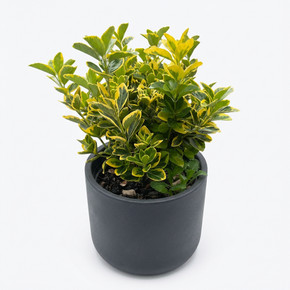
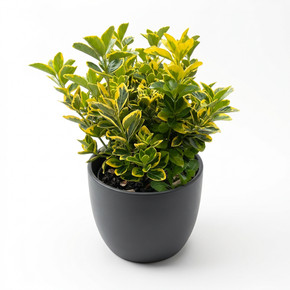
Foliage: Glossy, leathery, ovate leaves 2–5 cm long with cream to pale yellow variegated margins; new growth may flush pink or bronze.
Stems: Single straight stem trained to form the 'lollipop' standard with a rounded canopy; bark smooth and grayish-brown.
Flowers: Small, inconspicuous greenish-white flowers appearing in late spring to early summer.
Fruit: Flat, four-lobed capsules turning pinkish to orange in autumn, containing red arils.
Overall Height: 100–150 cm (including trunk and canopy).
Trunk Height: 60–80 cm before canopy begins.
Canopy Diameter: 25–40 cm when regularly pruned.
Leaf Size: 2–5 cm long, 1–2 cm wide.
Prefers full sun to part shade. Ideal exposure is 4–6 hours of direct morning sun with protection from harsh afternoon rays to maintain vibrant variegation.
Keep soil evenly moist but not waterlogged. Water thoroughly when the top 2–5 cm of soil feels dry. Drought tolerant once established but performs best with consistent moisture.
Use a well-draining, fertile potting mix rich in organic matter. A blend of loam-based compost, peat moss or coconut coir, and perlite or coarse sand is ideal. Repot every 2–3 years or when root-bound.
Hardiness: USDA zones 7–9; tolerates down to –12 °C (10 °F).
Optimal Ambient: 10–32 °C (50–90 °F).
Humidity: Average indoor and outdoor humidity; no special requirements.
Apply a balanced, slow-release fertilizer (e.g., 10-10-10 NPK) in early spring and again midsummer. Alternatively, feed monthly with a liquid fertilizer at half strength during the growing season.
Moderate care level. Regular pruning is required to maintain the lollipop shape—trim new shoots several times during the growing season. Monitor for pests and remove any diseased or dead wood promptly.
Growth Rate: Moderate, approximately 20–30 cm per year under optimal conditions.
Propagation: Semi-hardwood cuttings taken in midsummer root readily under mist in a well-draining medium. Layering and seed propagation are also possible but less common for cultivar consistency.
Pests: Scale insects, aphids, spider mites.
Diseases: Powdery mildew, leaf spot, root rot in poorly drained soils.
Cultural Issues: Leaf scorch in intense, direct afternoon sun; chlorosis if soil pH is too alkaline.
Provides year-round structure and evergreen color in formal gardens, patios, balconies, and reception areas. Ideal for accent features, container displays, low hedges, and bonsai-style specimens.
All parts of Euonymus japonicus are considered mildly toxic if ingested, causing gastrointestinal upset. Keep away from pets and children to prevent accidental ingestion.
Instantly elevate your entrance with a premium lollipop topiary. This variegated Euonymus stays green year-round, holds its rounded shape with simple trims, and brings a bright, tidy look to patios, balconies, and reception areas. A reliable choice for elegant, low-maintenance structure in any space.
Common Name: Japanese Euonymus Topiary
Botanical Name: Euonymus japonicus
Former Name: Not available
Plant Type: Evergreen Shrub / Topiary
Plant Code / SKU: PLT-0117
Alternative Names:
Japanese Spindle Tree
شمشار (Arabic Name)
Variegated Japanese Euonymus
Order: Celastrales
Family: Celastraceae
Genus: Euonymus
Species: E. japonicus
Native to eastern Asia, including Japan, Korea, and eastern China. Widely cultivated as an ornamental topiary in Europe, North America, and parts of the Middle East, including Iran. Naturalized in some temperate regions.
Foliage: Glossy, leathery, ovate leaves 2–5 cm long with cream to pale yellow variegated margins; new growth may flush pink or bronze.
Stems: Single straight stem trained to form the 'lollipop' standard with a rounded canopy; bark smooth and grayish-brown.
Flowers: Small, inconspicuous greenish-white flowers appearing in late spring to early summer.
Fruit: Flat, four-lobed capsules turning pinkish to orange in autumn, containing red arils.
Overall Height: 100–150 cm (including trunk and canopy).
Trunk Height: 60–80 cm before canopy begins.
Canopy Diameter: 25–40 cm when regularly pruned.
Leaf Size: 2–5 cm long, 1–2 cm wide.
Prefers full sun to part shade. Ideal exposure is 4–6 hours of direct morning sun with protection from harsh afternoon rays to maintain vibrant variegation.
Keep soil evenly moist but not waterlogged. Water thoroughly when the top 2–5 cm of soil feels dry. Drought tolerant once established but performs best with consistent moisture.
Use a well-draining, fertile potting mix rich in organic matter. A blend of loam-based compost, peat moss or coconut coir, and perlite or coarse sand is ideal. Repot every 2–3 years or when root-bound.
Hardiness: USDA zones 7–9; tolerates down to –12 °C (10 °F).
Optimal Ambient: 10–32 °C (50–90 °F).
Humidity: Average indoor and outdoor humidity; no special requirements.
Apply a balanced, slow-release fertilizer (e.g., 10-10-10 NPK) in early spring and again midsummer. Alternatively, feed monthly with a liquid fertilizer at half strength during the growing season.
Moderate care level. Regular pruning is required to maintain the lollipop shape—trim new shoots several times during the growing season. Monitor for pests and remove any diseased or dead wood promptly.
Growth Rate: Moderate, approximately 20–30 cm per year under optimal conditions.
Propagation: Semi-hardwood cuttings taken in midsummer root readily under mist in a well-draining medium. Layering and seed propagation are also possible but less common for cultivar consistency.
Pests: Scale insects, aphids, spider mites.
Diseases: Powdery mildew, leaf spot, root rot in poorly drained soils.
Cultural Issues: Leaf scorch in intense, direct afternoon sun; chlorosis if soil pH is too alkaline.
Provides year-round structure and evergreen color in formal gardens, patios, balconies, and reception areas. Ideal for accent features, container displays, low hedges, and bonsai-style specimens.
All parts of Euonymus japonicus are considered mildly toxic if ingested, causing gastrointestinal upset. Keep away from pets and children to prevent accidental ingestion.



Take 20% off your first order
Enter the code below at checkout to get 20% off your first order