


European Barberry
Transform your garden with the hardy and beautiful European Barberry. A perfect four-season shrub, it offers vibrant yellow flowers in spring, lush green foliage in summer, fiery autumn colors, and striking red berries in winter. Ideal for creating a dense, secure hedge or a stunning landscape feature. It’s low-maintenance, drought-tolerant, and even provides edible berries. Order now to add timeless structure and color to your outdoor space!
1. Basic Identification
Common Name: European Barberry
Botanical Name: Berberis vulgaris
Arabic Name: بربريس
Plant Variant: Standard
Plant Color: Natural
Plant Country: Netherlands
Stems: Not available
Family: Berberidaceae
2. Taxonomy & Classification
Kingdom: Plantae
Clade: Tracheophytes
Order: Ranunculales
Family: Berberidaceae
Genus: Berberis
Species: B. vulgaris
3. Origin & Distribution
Native to central and southern Europe, northwest Africa, and western Asia. It has also been naturalized in parts of North America.
4. Visual Characteristics
A deciduous shrub featuring gray, thorny stems and small, oval-shaped leaves with finely serrated edges. It produces drooping clusters (racemes) of bright yellow flowers in late spring, which transition into oblong, brilliant red berries in autumn. Its green summer foliage turns vibrant shades of orange and red during the fall.
5. Size & Dimensions
Typically grows to a height of 1 to 4 meters (3.3 to 13.1 feet) and can spread approximately 2 to 3 meters wide at maturity.
6. Light Requirements
Prefers full sun to partial shade. Optimal foliage color and heavy fruiting are best achieved when the plant receives at least 6 hours of direct sunlight daily.
7. Watering Needs
Requires moderate watering. It should be watered regularly during its first growing season to establish a deep root system. Once established, it is remarkably drought-tolerant.
8. Soil & Potting
Highly adaptable to various soil conditions, including clay, loam, and sand. It prefers well-drained soil with a neutral to slightly acidic pH, though it can tolerate slightly alkaline environments.
9. Temperature & Humidity
Extremely cold-hardy, thriving in USDA Hardiness Zones 3 through 7. It handles wide temperature fluctuations well and is adapted to moderate humidity levels.
10. Fertilization
Feed with a balanced, slow-release fertilizer in early spring as new growth begins. Established plants generally require very little supplemental feeding.
11. Maintenance & Care Level
Low to medium maintenance. It requires occasional pruning to maintain its shape or to remove old wood. Due to its sharp thorns, heavy-duty gardening gloves are recommended during handling.
12. Growth & Propagation
Features a medium growth rate. Propagation can be achieved through semi-hardwood cuttings taken in the summer or by sowing seeds in the autumn (seeds require a period of cold stratification).
13. Common Problems
Known as an alternate host for wheat stem rust (Puccinia graminis), which has led to planting restrictions in some agricultural regions. It can also occasionally be affected by aphids or powdery mildew.
14. Benefits & Uses
Excellent for use as a security hedge or barrier due to its dense, thorny growth. The berries are high in Vitamin C and are used culinarily in jams, jellies, and traditional Iranian rice dishes (Zereshk). It also contains berberine, which has been used in traditional medicine.
15. Toxicity & Safety
The ripe berries are edible. However, the bark, roots, and stems contain alkaloids that can be mildly toxic if ingested in large quantities. It is generally considered non-toxic to humans in food amounts but may cause gastrointestinal upset in pets if consumed in significant amounts. The thorns present a physical injury risk.
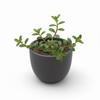
European Barberry

Transform your garden with the hardy and beautiful European Barberry. A perfect four-season shrub, it offers vibrant yellow flowers in spring, lush green foliage in summer, fiery autumn colors, and striking red berries in winter. Ideal for creating a dense, secure hedge or a stunning landscape feature. It’s low-maintenance, drought-tolerant, and even provides edible berries. Order now to add timeless structure and color to your outdoor space!
1. Basic Identification
Common Name: European Barberry
Botanical Name: Berberis vulgaris
Arabic Name: بربريس
Plant Variant: Standard
Plant Color: Natural
Plant Country: Netherlands
Stems: Not available
Family: Berberidaceae
2. Taxonomy & Classification
Kingdom: Plantae
Clade: Tracheophytes
Order: Ranunculales
Family: Berberidaceae
Genus: Berberis
Species: B. vulgaris
3. Origin & Distribution
Native to central and southern Europe, northwest Africa, and western Asia. It has also been naturalized in parts of North America.
4. Visual Characteristics
A deciduous shrub featuring gray, thorny stems and small, oval-shaped leaves with finely serrated edges. It produces drooping clusters (racemes) of bright yellow flowers in late spring, which transition into oblong, brilliant red berries in autumn. Its green summer foliage turns vibrant shades of orange and red during the fall.
5. Size & Dimensions
Typically grows to a height of 1 to 4 meters (3.3 to 13.1 feet) and can spread approximately 2 to 3 meters wide at maturity.
6. Light Requirements
Prefers full sun to partial shade. Optimal foliage color and heavy fruiting are best achieved when the plant receives at least 6 hours of direct sunlight daily.
7. Watering Needs
Requires moderate watering. It should be watered regularly during its first growing season to establish a deep root system. Once established, it is remarkably drought-tolerant.
8. Soil & Potting
Highly adaptable to various soil conditions, including clay, loam, and sand. It prefers well-drained soil with a neutral to slightly acidic pH, though it can tolerate slightly alkaline environments.
9. Temperature & Humidity
Extremely cold-hardy, thriving in USDA Hardiness Zones 3 through 7. It handles wide temperature fluctuations well and is adapted to moderate humidity levels.
10. Fertilization
Feed with a balanced, slow-release fertilizer in early spring as new growth begins. Established plants generally require very little supplemental feeding.
11. Maintenance & Care Level
Low to medium maintenance. It requires occasional pruning to maintain its shape or to remove old wood. Due to its sharp thorns, heavy-duty gardening gloves are recommended during handling.
12. Growth & Propagation
Features a medium growth rate. Propagation can be achieved through semi-hardwood cuttings taken in the summer or by sowing seeds in the autumn (seeds require a period of cold stratification).
13. Common Problems
Known as an alternate host for wheat stem rust (Puccinia graminis), which has led to planting restrictions in some agricultural regions. It can also occasionally be affected by aphids or powdery mildew.
14. Benefits & Uses
Excellent for use as a security hedge or barrier due to its dense, thorny growth. The berries are high in Vitamin C and are used culinarily in jams, jellies, and traditional Iranian rice dishes (Zereshk). It also contains berberine, which has been used in traditional medicine.
15. Toxicity & Safety
The ripe berries are edible. However, the bark, roots, and stems contain alkaloids that can be mildly toxic if ingested in large quantities. It is generally considered non-toxic to humans in food amounts but may cause gastrointestinal upset in pets if consumed in significant amounts. The thorns present a physical injury risk.