


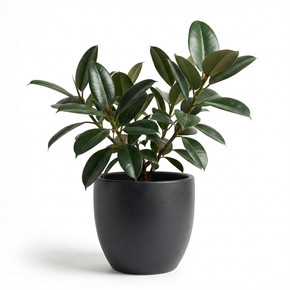
Make any space look instantly elevated with the Variegated Rubber Plant 'Tineke'. Its thick, glossy leaves splashed with creamy variegation and pink accents deliver a designer, high-end look while staying refreshingly easy to care for. Place it in bright filtered light, water when the top soil dries, and enjoy a confident, upright plant that suits modern living rooms, receptions, and meeting spaces.
Common Name: Variegated Rubber Plant 'Tineke'
Botanical Name: Ficus elastica 'Tineke'
Former Name: Not available
Plant Type: Foliage houseplant
Plant Code / SKU: PLT-0069
Alternative Names:
Rubber Tree
Rubber Fig
Indian Rubber Plant
مطات سؤر
Order: Rosales
Family: Moraceae
Genus: Ficus
Species: F. elastica
Cultivar: 'Tineke'
Native range: Eastern Himalayas (northeast India, Nepal, Bhutan, Myanmar), parts of southwestern China, and Indonesia.
Distribution: Widely cultivated as an ornamental indoor plant across temperate regions worldwide.
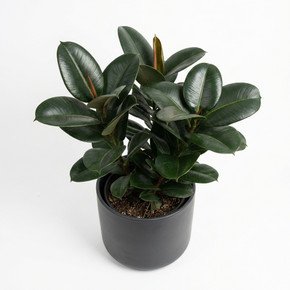
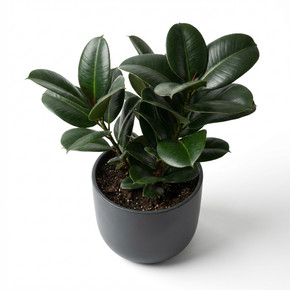
Leaves: Large, thick, glossy oval leaves featuring creamy-white and green variegation with pink-tinged new growth.
Stems: Upright woody stems that may develop aerial roots in high humidity.
Habit: Upright, tree-like form with a single or multi-stemmed trunk.
Indoor height: Typically 1–2 m tall (can reach 3 m under ideal indoor conditions)
Spread: Approximately 0.6–0.9 m wide
Leaf size: Individual leaves up to 30–45 cm long
Provides best growth in bright, indirect light.
Can tolerate moderate light but avoid direct midday sun to prevent leaf burn.
Water thoroughly when the top 2–3 cm of soil feels dry.
Allow excess water to drain; reduce watering frequency during winter to avoid waterlogging and root rot.
Use a well‐draining, aerated potting mix rich in organic matter (peat-based mix with perlite or coarse sand).
Ideal pH: Slightly acidic to neutral (6.1–7.5).
Repot every 2–3 years or when roots become pot-bound.
Preferred temperature: 16–29 °C; avoid exposure below 15 °C.
Humidity: Average indoor humidity (40–60%); benefits from occasional misting or a humidity tray in dry climates.
Apply a balanced liquid fertilizer (e.g., 10-10-10 or 20-20-20) every 4–6 weeks during spring and summer.
Do not fertilize during winter dormancy.
Care level: Low to medium.
Maintenance tasks: Wipe leaves regularly to remove dust; prune to maintain shape and remove dead growth; stake or support tall stems if necessary.
Growth rate: Moderate.
Propagation methods: Stem cuttings in water or soil; air layering for larger, bushier plants.
Pests: Susceptible to scale insects, mealybugs, and spider mites.
Diseases: Root rot from overwatering; leaf spot in persistently damp conditions.
Symptoms: Yellowing leaves, brown leaf tips, leaf drop.
Ornamental focal plant prized for its striking variegation and architectural form.
Known to improve indoor air quality by filtering formaldehyde and other VOCs.
Ideal for modern interiors, offices, lobbies, and living rooms.
All parts contain latex and proteolytic enzymes (ficin); toxic if ingested, causing oral irritation, vomiting, and diarrhea.
Sap can cause skin irritation; keep out of reach of children and pets and wear gloves when handling.
Make any space look instantly elevated with the Variegated Rubber Plant 'Tineke'. Its thick, glossy leaves splashed with creamy variegation and pink accents deliver a designer, high-end look while staying refreshingly easy to care for. Place it in bright filtered light, water when the top soil dries, and enjoy a confident, upright plant that suits modern living rooms, receptions, and meeting spaces.
Common Name: Variegated Rubber Plant 'Tineke'
Botanical Name: Ficus elastica 'Tineke'
Former Name: Not available
Plant Type: Foliage houseplant
Plant Code / SKU: PLT-0069
Alternative Names:
Rubber Tree
Rubber Fig
Indian Rubber Plant
مطات سؤر
Order: Rosales
Family: Moraceae
Genus: Ficus
Species: F. elastica
Cultivar: 'Tineke'
Native range: Eastern Himalayas (northeast India, Nepal, Bhutan, Myanmar), parts of southwestern China, and Indonesia.
Distribution: Widely cultivated as an ornamental indoor plant across temperate regions worldwide.
Leaves: Large, thick, glossy oval leaves featuring creamy-white and green variegation with pink-tinged new growth.
Stems: Upright woody stems that may develop aerial roots in high humidity.
Habit: Upright, tree-like form with a single or multi-stemmed trunk.
Indoor height: Typically 1–2 m tall (can reach 3 m under ideal indoor conditions)
Spread: Approximately 0.6–0.9 m wide
Leaf size: Individual leaves up to 30–45 cm long
Provides best growth in bright, indirect light.
Can tolerate moderate light but avoid direct midday sun to prevent leaf burn.
Water thoroughly when the top 2–3 cm of soil feels dry.
Allow excess water to drain; reduce watering frequency during winter to avoid waterlogging and root rot.
Use a well‐draining, aerated potting mix rich in organic matter (peat-based mix with perlite or coarse sand).
Ideal pH: Slightly acidic to neutral (6.1–7.5).
Repot every 2–3 years or when roots become pot-bound.
Preferred temperature: 16–29 °C; avoid exposure below 15 °C.
Humidity: Average indoor humidity (40–60%); benefits from occasional misting or a humidity tray in dry climates.
Apply a balanced liquid fertilizer (e.g., 10-10-10 or 20-20-20) every 4–6 weeks during spring and summer.
Do not fertilize during winter dormancy.
Care level: Low to medium.
Maintenance tasks: Wipe leaves regularly to remove dust; prune to maintain shape and remove dead growth; stake or support tall stems if necessary.
Growth rate: Moderate.
Propagation methods: Stem cuttings in water or soil; air layering for larger, bushier plants.
Pests: Susceptible to scale insects, mealybugs, and spider mites.
Diseases: Root rot from overwatering; leaf spot in persistently damp conditions.
Symptoms: Yellowing leaves, brown leaf tips, leaf drop.
Ornamental focal plant prized for its striking variegation and architectural form.
Known to improve indoor air quality by filtering formaldehyde and other VOCs.
Ideal for modern interiors, offices, lobbies, and living rooms.
All parts contain latex and proteolytic enzymes (ficin); toxic if ingested, causing oral irritation, vomiting, and diarrhea.
Sap can cause skin irritation; keep out of reach of children and pets and wear gloves when handling.




Take 20% off your first order
Enter the code below at checkout to get 20% off your first order