


Florist's Cineraria
Transform your space with the electric colors of the Cineraria! A favorite of florists and interior decorators, this stunning plant delivers a knockout punch of color that lasts far longer than cut flowers. Whether you choose deep royal blues, hot pinks, or velvety purples, the Cineraria is the ultimate mood booster. Perfect for cool spots in your home or office, it's the gift that keeps on blooming. Grab yours today and let the colors speak for themselves!
1. Basic Identification
Common Name: Cineraria
Botanical Name: Pericallis × hybrida
Arabic Name: سينيراريا
Plant Variant: Standard
Plant Color: Multicolor
Plant Country: Netherlands
Stems: 1
Family: Asteraceae
2. Taxonomy & Classification
Kingdom: Plantae
Clade: Tracheophytes
Order: Asterales
Family: Asteraceae
Genus: Pericallis
Species: P. × hybrida (a hybrid of Pericallis lanata and Pericallis cruenta)
3. Origin & Distribution
The parent species of Pericallis × hybrida are native to the Canary Islands and Madeira. However, the hybrid cultivars seen today were primarily developed in European greenhouses, particularly in the Netherlands and the UK, to serve as ornamental indoor plants.
4. Visual Characteristics
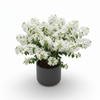
Cineraria is known for its spectacular, daisy-like flowers that grow in large, dense clusters. The blooms come in vivid shades of blue, purple, pink, and red, often featuring a contrasting white ring around a dark central disk. The foliage consists of large, heart-shaped, dark green leaves with a slightly fuzzy or velvety texture on the underside.
5. Size & Dimensions
This plant typically reaches a height and spread of 10 to 18 inches (25–45 cm), forming a tidy, compact mound of foliage and flowers.
6. Light Requirements
Prefers bright, indirect light. While it needs plenty of light to maintain its vibrant blooms, direct afternoon sunlight can scorch the leaves and cause the flowers to wilt prematurely.
7. Watering Needs
Requires consistently moist soil. Cineraria is very sensitive to drying out; if the soil becomes too dry, the plant will wilt rapidly. However, ensure the pot has excellent drainage to prevent the roots from sitting in standing water.
8. Soil & Potting
Thrives in a rich, peat-based potting mix that retains moisture while allowing for adequate aeration. A well-draining soil is essential to prevent root rot.
9. Temperature & Humidity
Prefers cool environments, ideally between 10°C and 18°C (50°F to 65°F). High temperatures will shorten the blooming period significantly. It also appreciates moderate to high humidity; using a pebble tray or humidifier can be beneficial in dry indoor settings.
10. Fertilization
Apply a balanced liquid fertilizer every two weeks during the blooming season. Since it is often treated as a temporary display plant, heavy fertilization after blooming is usually unnecessary.
11. Maintenance & Care Level
Maintenance Level: Moderate. The primary challenge is maintaining the specific cool temperatures and consistent moisture it requires. Deadheading (removing spent blooms) can help keep the plant looking tidy during its flowering cycle.
12. Growth & Propagation
Usually grown as a cool-weather annual or a gift plant. It is primarily propagated by seeds, which are typically sown in late summer or autumn for winter and spring flowering.
13. Common Problems
Susceptible to pests such as aphids, whiteflies, and spider mites. Overwatering or poor air circulation can lead to gray mold (Botrytis), powdery mildew, or root rot.
14. Benefits & Uses
Highly valued for its intense floral colors, making it an excellent choice for interior decoration, office desks, and reception areas. It is also recognized for its air-purifying qualities, helping to remove common indoor toxins.
15. Toxicity & Safety
Toxic to pets, including cats, dogs, and horses, due to the presence of pyrrolizidine alkaloids which can cause liver damage if ingested. It may also cause skin irritation in some individuals; wearing gloves while handling is recommended for those with sensitive skin.
Florist's Cineraria

Transform your space with the electric colors of the Cineraria! A favorite of florists and interior decorators, this stunning plant delivers a knockout punch of color that lasts far longer than cut flowers. Whether you choose deep royal blues, hot pinks, or velvety purples, the Cineraria is the ultimate mood booster. Perfect for cool spots in your home or office, it's the gift that keeps on blooming. Grab yours today and let the colors speak for themselves!
1. Basic Identification
Common Name: Cineraria
Botanical Name: Pericallis × hybrida
Arabic Name: سينيراريا
Plant Variant: Standard
Plant Color: Multicolor
Plant Country: Netherlands
Stems: 1
Family: Asteraceae
2. Taxonomy & Classification
Kingdom: Plantae
Clade: Tracheophytes
Order: Asterales
Family: Asteraceae
Genus: Pericallis
Species: P. × hybrida (a hybrid of Pericallis lanata and Pericallis cruenta)
3. Origin & Distribution
The parent species of Pericallis × hybrida are native to the Canary Islands and Madeira. However, the hybrid cultivars seen today were primarily developed in European greenhouses, particularly in the Netherlands and the UK, to serve as ornamental indoor plants.
4. Visual Characteristics
Cineraria is known for its spectacular, daisy-like flowers that grow in large, dense clusters. The blooms come in vivid shades of blue, purple, pink, and red, often featuring a contrasting white ring around a dark central disk. The foliage consists of large, heart-shaped, dark green leaves with a slightly fuzzy or velvety texture on the underside.
5. Size & Dimensions
This plant typically reaches a height and spread of 10 to 18 inches (25–45 cm), forming a tidy, compact mound of foliage and flowers.
6. Light Requirements
Prefers bright, indirect light. While it needs plenty of light to maintain its vibrant blooms, direct afternoon sunlight can scorch the leaves and cause the flowers to wilt prematurely.
7. Watering Needs
Requires consistently moist soil. Cineraria is very sensitive to drying out; if the soil becomes too dry, the plant will wilt rapidly. However, ensure the pot has excellent drainage to prevent the roots from sitting in standing water.
8. Soil & Potting
Thrives in a rich, peat-based potting mix that retains moisture while allowing for adequate aeration. A well-draining soil is essential to prevent root rot.
9. Temperature & Humidity
Prefers cool environments, ideally between 10°C and 18°C (50°F to 65°F). High temperatures will shorten the blooming period significantly. It also appreciates moderate to high humidity; using a pebble tray or humidifier can be beneficial in dry indoor settings.
10. Fertilization
Apply a balanced liquid fertilizer every two weeks during the blooming season. Since it is often treated as a temporary display plant, heavy fertilization after blooming is usually unnecessary.
11. Maintenance & Care Level
Maintenance Level: Moderate. The primary challenge is maintaining the specific cool temperatures and consistent moisture it requires. Deadheading (removing spent blooms) can help keep the plant looking tidy during its flowering cycle.
12. Growth & Propagation
Usually grown as a cool-weather annual or a gift plant. It is primarily propagated by seeds, which are typically sown in late summer or autumn for winter and spring flowering.
13. Common Problems
Susceptible to pests such as aphids, whiteflies, and spider mites. Overwatering or poor air circulation can lead to gray mold (Botrytis), powdery mildew, or root rot.
14. Benefits & Uses
Highly valued for its intense floral colors, making it an excellent choice for interior decoration, office desks, and reception areas. It is also recognized for its air-purifying qualities, helping to remove common indoor toxins.
15. Toxicity & Safety
Toxic to pets, including cats, dogs, and horses, due to the presence of pyrrolizidine alkaloids which can cause liver damage if ingested. It may also cause skin irritation in some individuals; wearing gloves while handling is recommended for those with sensitive skin.