



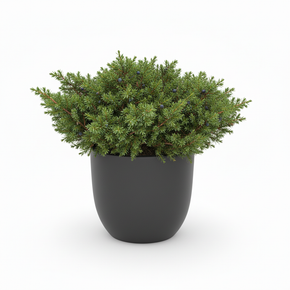



Craft your own masterpiece of living art. The Japanese Garden Juniper is the quintessential bonsai, offering timeless beauty and a rewarding cultivation experience. Its lush, dense foliage and classic form provide a powerful sense of nature and tranquility, making it the perfect statement piece for a modern office or a peaceful home. Durable and full of character, this bonsai invites you to slow down and connect with nature. Start your bonsai journey today and grow a symbol of strength that will last for decades.
Common Name: Japanese Garden Juniper / Procumbens Nana
Botanical Name: Juniperus procumbens 'Nana'
Variant: Nana
Plant Color: Green
Arabic Name: جانبروس
Plant Country: Netherlands
Kingdom: Plantae
Order: Pinales
Family: Cupressaceae
Genus: Juniperus
Species: J. procumbens
The Juniperus procumbens 'Nana' is native to the coastal regions and high mountains of southern Japan. It has been cultivated for centuries as a groundcover and is one of the most popular species used in the traditional art of Japanese Bonsai due to its hardy nature and sculptural growth habit.
This evergreen conifer features dense, mat-forming foliage consisting of small, prickly, needle-like leaves. The foliage is typically a vibrant light green that can take on a bluish-teal cast. Its branches have a naturally cascading or trailing habit, which allows it to be easily trained into various bonsai styles, such as informal upright or semi-cascade.
In its bonsai form, the Japanese Garden Juniper is typically maintained at a height of 6 to 18 inches. When grown as a groundcover in the landscape, it can spread 3 to 5 feet wide while remaining only 6 to 12 inches tall.
This plant thrives in bright light. While it prefers full sun when kept outdoors, it requires the brightest possible spot (such as a south-facing windowsill) when kept indoors. It should receive at least 4-6 hours of direct or very bright indirect sunlight daily.
Junipers prefer to be kept consistently moist but never waterlogged. Water when the top half-inch of the soil feels slightly dry to the touch. It is highly beneficial to mist the foliage regularly, as Junipers can absorb moisture through their needles and thrive in higher humidity.
Requires a very well-draining potting medium. A professional bonsai mix consisting of akadama, pumice, and lava rock is ideal to ensure proper aeration and drainage, preventing root rot while retaining necessary moisture.
The Japanese Garden Juniper is very hardy and can tolerate temperatures from -10°C to 30°C. If kept as an indoor bonsai, it prefers cooler environments and benefits from a period of winter dormancy. High humidity is essential, especially in heated indoor spaces.
Feed with a balanced, organic bonsai fertilizer once a month during the active growing season (spring through early autumn). Reduce or stop fertilization during the winter dormancy period.
Moderate to High. While the plant is hardy, it requires regular attention including "pinching" back new growth to maintain its shape, occasional wiring for structural training, and careful monitoring of moisture levels.
This is a slow-growing evergreen. It is most commonly propagated through semi-hardwood cuttings taken in late summer or autumn. In bonsai culture, growth is controlled through root pruning and branch styling.
Common issues include spider mites (often caused by dry air), which can be managed with regular misting and neem oil. Overwatering can lead to root rot, while lack of light or improper winter dormancy can cause the needles to turn brown and brittle.
Primarily used for ornamental and aesthetic purposes, specifically in Bonsai artistry. It is highly valued for its stress-reducing qualities and its ability to serve as a living sculptural element in home and office decor.
Juniperus procumbens is considered mildly toxic to cats, dogs, and horses if ingested. The needles can cause gastrointestinal upset or skin irritation in sensitive individuals. It is recommended to keep the plant out of reach of pets and small children.
Craft your own masterpiece of living art. The Japanese Garden Juniper is the quintessential bonsai, offering timeless beauty and a rewarding cultivation experience. Its lush, dense foliage and classic form provide a powerful sense of nature and tranquility, making it the perfect statement piece for a modern office or a peaceful home. Durable and full of character, this bonsai invites you to slow down and connect with nature. Start your bonsai journey today and grow a symbol of strength that will last for decades.
Common Name: Japanese Garden Juniper / Procumbens Nana
Botanical Name: Juniperus procumbens 'Nana'
Variant: Nana
Plant Color: Green
Arabic Name: جانبروس
Plant Country: Netherlands
Kingdom: Plantae
Order: Pinales
Family: Cupressaceae
Genus: Juniperus
Species: J. procumbens
The Juniperus procumbens 'Nana' is native to the coastal regions and high mountains of southern Japan. It has been cultivated for centuries as a groundcover and is one of the most popular species used in the traditional art of Japanese Bonsai due to its hardy nature and sculptural growth habit.
This evergreen conifer features dense, mat-forming foliage consisting of small, prickly, needle-like leaves. The foliage is typically a vibrant light green that can take on a bluish-teal cast. Its branches have a naturally cascading or trailing habit, which allows it to be easily trained into various bonsai styles, such as informal upright or semi-cascade.
In its bonsai form, the Japanese Garden Juniper is typically maintained at a height of 6 to 18 inches. When grown as a groundcover in the landscape, it can spread 3 to 5 feet wide while remaining only 6 to 12 inches tall.
This plant thrives in bright light. While it prefers full sun when kept outdoors, it requires the brightest possible spot (such as a south-facing windowsill) when kept indoors. It should receive at least 4-6 hours of direct or very bright indirect sunlight daily.
Junipers prefer to be kept consistently moist but never waterlogged. Water when the top half-inch of the soil feels slightly dry to the touch. It is highly beneficial to mist the foliage regularly, as Junipers can absorb moisture through their needles and thrive in higher humidity.
Requires a very well-draining potting medium. A professional bonsai mix consisting of akadama, pumice, and lava rock is ideal to ensure proper aeration and drainage, preventing root rot while retaining necessary moisture.
The Japanese Garden Juniper is very hardy and can tolerate temperatures from -10°C to 30°C. If kept as an indoor bonsai, it prefers cooler environments and benefits from a period of winter dormancy. High humidity is essential, especially in heated indoor spaces.
Feed with a balanced, organic bonsai fertilizer once a month during the active growing season (spring through early autumn). Reduce or stop fertilization during the winter dormancy period.
Moderate to High. While the plant is hardy, it requires regular attention including "pinching" back new growth to maintain its shape, occasional wiring for structural training, and careful monitoring of moisture levels.
This is a slow-growing evergreen. It is most commonly propagated through semi-hardwood cuttings taken in late summer or autumn. In bonsai culture, growth is controlled through root pruning and branch styling.
Common issues include spider mites (often caused by dry air), which can be managed with regular misting and neem oil. Overwatering can lead to root rot, while lack of light or improper winter dormancy can cause the needles to turn brown and brittle.
Primarily used for ornamental and aesthetic purposes, specifically in Bonsai artistry. It is highly valued for its stress-reducing qualities and its ability to serve as a living sculptural element in home and office decor.
Juniperus procumbens is considered mildly toxic to cats, dogs, and horses if ingested. The needles can cause gastrointestinal upset or skin irritation in sensitive individuals. It is recommended to keep the plant out of reach of pets and small children.


Take 20% off your first order
Enter the code below at checkout to get 20% off your first order