





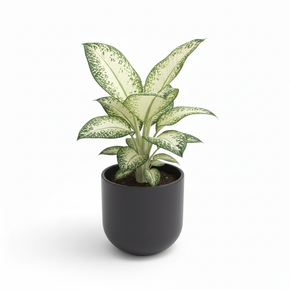
Make a statement that speaks volumes. The Anthurium Jenmanii 'Ghost' isn't just a plant; it's a living sculpture. With its grand, paddle-like leaves forming an elegant rosette, this rare specimen commands attention and transforms any room into a sophisticated tropical retreat. The ethereal, silvery-green 'Ghost' coloration offers a unique twist on a classic favorite, making it a must-have for discerning collectors and design lovers. Dare to be bold—bring home the unparalleled beauty of the Jenmanii 'Ghost' today.
Common Name: Anthurium Jenmanii 'Ghost'
Botanical Name: Anthurium jenmanii
Arabic Name: انثريوم جنماني
Plant Color: Silvery-green / Ghostly Variegation
Plant Country: Netherlands (Cultivator)
Family: Araceae
Genus: Anthurium
Species: A. jenmanii
Cultivar: 'Ghost'
Anthurium jenmanii is native to South America, specifically in regions of Guyana, Suriname, French Guiana, and Northern Brazil. The 'Ghost' cultivar is a rare horticultural selection prized globally for its unique pigmentation.
This variety is known for its thick, coriaceous (leathery) leaves that grow in a tight bird's nest rosette pattern. Unlike the standard green variety, the 'Ghost' features a distinct silvery or pale iridescent sheen across the foliage, giving it an ethereal appearance.
In indoor conditions, it typically reaches a height and spread of 2 to 3 feet. The leaves themselves can become quite large and paddle-shaped as the plant matures.
Requires bright, indirect light to maintain its unique coloration. Avoid direct sunlight which can scorch the leaves, but low light may cause the plant to lose its 'ghostly' sheen and grow more slowly.
Water when the top 1-2 inches of soil feel dry. This species prefers consistent moisture but is sensitive to overwatering. Ensure excellent drainage to prevent root issues.
Use a chunky, well-aerated aroid mix. A combination of orchid bark, perlite, and high-quality potting soil or coco coir works best to mimic its epiphytic-leaning natural habitat.
Thrives in temperatures between 18°C and 27°C (65°F–80°F). It requires high humidity (above 60%) to keep its leathery leaves healthy and prevent browning at the tips.
Feed with a balanced liquid fertilizer diluted to half-strength once a month during the growing season (spring and summer). Reduce feeding in winter.
Moderate. While it is a hardy Anthurium, its rarity and specific humidity needs make it better suited for plant enthusiasts with some experience.
It is a relatively slow grower. Propagation is primarily achieved through seed or by separating offsets (pups) that may form at the base of a mature plant.
Watch for spider mites and mealybugs. Overwatering can lead to root rot, while low humidity may cause the leaf edges to become dry and brittle.
An excellent air-purifying plant that removes common household toxins. Its architectural form makes it a premier choice for interior design, offices, and tropical-themed collections.
Toxic to humans and pets. Like most Araceae, it contains calcium oxalate crystals which can cause irritation to the mouth and digestive tract if ingested.
Make a statement that speaks volumes. The Anthurium Jenmanii 'Ghost' isn't just a plant; it's a living sculpture. With its grand, paddle-like leaves forming an elegant rosette, this rare specimen commands attention and transforms any room into a sophisticated tropical retreat. The ethereal, silvery-green 'Ghost' coloration offers a unique twist on a classic favorite, making it a must-have for discerning collectors and design lovers. Dare to be bold—bring home the unparalleled beauty of the Jenmanii 'Ghost' today.
Common Name: Anthurium Jenmanii 'Ghost'
Botanical Name: Anthurium jenmanii
Arabic Name: انثريوم جنماني
Plant Color: Silvery-green / Ghostly Variegation
Plant Country: Netherlands (Cultivator)
Family: Araceae
Genus: Anthurium
Species: A. jenmanii
Cultivar: 'Ghost'
Anthurium jenmanii is native to South America, specifically in regions of Guyana, Suriname, French Guiana, and Northern Brazil. The 'Ghost' cultivar is a rare horticultural selection prized globally for its unique pigmentation.
This variety is known for its thick, coriaceous (leathery) leaves that grow in a tight bird's nest rosette pattern. Unlike the standard green variety, the 'Ghost' features a distinct silvery or pale iridescent sheen across the foliage, giving it an ethereal appearance.
In indoor conditions, it typically reaches a height and spread of 2 to 3 feet. The leaves themselves can become quite large and paddle-shaped as the plant matures.
Requires bright, indirect light to maintain its unique coloration. Avoid direct sunlight which can scorch the leaves, but low light may cause the plant to lose its 'ghostly' sheen and grow more slowly.
Water when the top 1-2 inches of soil feel dry. This species prefers consistent moisture but is sensitive to overwatering. Ensure excellent drainage to prevent root issues.
Use a chunky, well-aerated aroid mix. A combination of orchid bark, perlite, and high-quality potting soil or coco coir works best to mimic its epiphytic-leaning natural habitat.
Thrives in temperatures between 18°C and 27°C (65°F–80°F). It requires high humidity (above 60%) to keep its leathery leaves healthy and prevent browning at the tips.
Feed with a balanced liquid fertilizer diluted to half-strength once a month during the growing season (spring and summer). Reduce feeding in winter.
Moderate. While it is a hardy Anthurium, its rarity and specific humidity needs make it better suited for plant enthusiasts with some experience.
It is a relatively slow grower. Propagation is primarily achieved through seed or by separating offsets (pups) that may form at the base of a mature plant.
Watch for spider mites and mealybugs. Overwatering can lead to root rot, while low humidity may cause the leaf edges to become dry and brittle.
An excellent air-purifying plant that removes common household toxins. Its architectural form makes it a premier choice for interior design, offices, and tropical-themed collections.
Toxic to humans and pets. Like most Araceae, it contains calcium oxalate crystals which can cause irritation to the mouth and digestive tract if ingested.


Take 20% off your first order
Enter the code below at checkout to get 20% off your first order

