


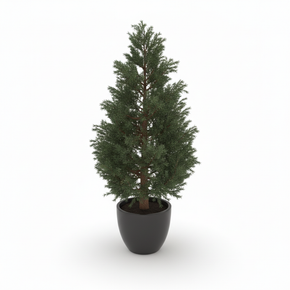



Bring centuries of tradition into your home with a living masterpiece. Our Juniper Bonsai is more than a plant; it's a symbol of strength, tranquility, and the profound beauty of nature. Each tree is a unique work of art, with carefully shaped branches and lush, evergreen foliage that create a peaceful, miniature landscape. Ideal for the modern professional seeking a touch of zen for their desk or the home decorator wanting a sophisticated natural element. Easy to care for and endlessly rewarding, this is your chance to own a timeless piece of living sculpture. Order yours today.
Common Name: Juniper Bonsai
Botanical Name: Juniperus chinensis
Plant Variant: Standard
Plant Color: Natural
Plant Country: Netherlands
Arabic Name: جانبروس
Stems: Not available
Family: Cupressaceae
The Chinese Juniper (Juniperus chinensis) belongs to the family Cupressaceae in the order Pinales. It is a coniferous evergreen species that is highly prized in the art of bonsai for its rugged bark and adaptable foliage.
Native to East Asia, including China, Japan, Mongolia, and the Himalayas. It grows in a variety of environments from rocky coastal areas to high-altitude mountains, making it a hardy and resilient species.
This plant features two types of foliage: needle-like juvenile leaves and scale-like adult leaves. The bark is typically reddish-brown, fibrous, and peels in thin strips. In bonsai form, it is often styled with "Jin" (deadwood branches) and "Shari" (trunk deadwood) to simulate the appearance of ancient trees weathered by the elements.
While it can grow up to 20 meters in the wild, as a bonsai, it is carefully maintained at heights ranging from 15 cm to 90 cm. The size of the pot and the frequency of pruning determine its final miniature dimensions.
Juniper Bonsais require significant light. They thrive in full sun or very bright indirect light. If kept indoors, they must be placed in the brightest possible spot, such as a south-facing window, though they generally benefit from periods spent outdoors.
Water when the top centimeter of the soil feels slightly dry to the touch. Do not allow the root ball to dry out completely, but avoid keeping the soil waterlogged. Misting the foliage regularly is recommended as Junipers can absorb moisture through their needles.
Requires a well-draining bonsai soil mix, typically consisting of Akadama, pumice, and lava rock. This ensures oxygen reaches the roots while retaining enough moisture for the plant's health.
Prefers temperate conditions. It is frost-hardy, but the roots should be protected from extreme freezing when planted in shallow bonsai pots. It appreciates moderate to high humidity levels.
Feed with a balanced organic or specialized bonsai fertilizer every two weeks during the growing season (spring through early autumn). Reduce feeding during the winter dormancy period.
Intermediate. Requires consistent monitoring of soil moisture and regular structural maintenance, including pinching back new shoots to maintain the desired shape and occasional wiring of branches.
Slow-growing. Propagation is most successful via stem cuttings or air-layering. Growing from seed is possible but requires a long stratification period and many years to develop into a workable bonsai.
Susceptible to spider mites, especially in dry indoor environments. Overwatering can lead to root rot, and poor air circulation may cause fungal issues like juniper rust.
Highly valued as an ornamental focal point and a "living sculpture." It is used in Zen-inspired decor to promote tranquility and mindfulness. Like many evergreens, it can help improve indoor air quality slightly when kept in well-lit rooms.
The Juniperus chinensis is considered mildly toxic if ingested. The sap may cause skin irritation or allergic contact dermatitis in some individuals. It should be kept out of reach of pets and small children.
Bring centuries of tradition into your home with a living masterpiece. Our Juniper Bonsai is more than a plant; it's a symbol of strength, tranquility, and the profound beauty of nature. Each tree is a unique work of art, with carefully shaped branches and lush, evergreen foliage that create a peaceful, miniature landscape. Ideal for the modern professional seeking a touch of zen for their desk or the home decorator wanting a sophisticated natural element. Easy to care for and endlessly rewarding, this is your chance to own a timeless piece of living sculpture. Order yours today.
Common Name: Juniper Bonsai
Botanical Name: Juniperus chinensis
Plant Variant: Standard
Plant Color: Natural
Plant Country: Netherlands
Arabic Name: جانبروس
Stems: Not available
Family: Cupressaceae
The Chinese Juniper (Juniperus chinensis) belongs to the family Cupressaceae in the order Pinales. It is a coniferous evergreen species that is highly prized in the art of bonsai for its rugged bark and adaptable foliage.
Native to East Asia, including China, Japan, Mongolia, and the Himalayas. It grows in a variety of environments from rocky coastal areas to high-altitude mountains, making it a hardy and resilient species.
This plant features two types of foliage: needle-like juvenile leaves and scale-like adult leaves. The bark is typically reddish-brown, fibrous, and peels in thin strips. In bonsai form, it is often styled with "Jin" (deadwood branches) and "Shari" (trunk deadwood) to simulate the appearance of ancient trees weathered by the elements.
While it can grow up to 20 meters in the wild, as a bonsai, it is carefully maintained at heights ranging from 15 cm to 90 cm. The size of the pot and the frequency of pruning determine its final miniature dimensions.
Juniper Bonsais require significant light. They thrive in full sun or very bright indirect light. If kept indoors, they must be placed in the brightest possible spot, such as a south-facing window, though they generally benefit from periods spent outdoors.
Water when the top centimeter of the soil feels slightly dry to the touch. Do not allow the root ball to dry out completely, but avoid keeping the soil waterlogged. Misting the foliage regularly is recommended as Junipers can absorb moisture through their needles.
Requires a well-draining bonsai soil mix, typically consisting of Akadama, pumice, and lava rock. This ensures oxygen reaches the roots while retaining enough moisture for the plant's health.
Prefers temperate conditions. It is frost-hardy, but the roots should be protected from extreme freezing when planted in shallow bonsai pots. It appreciates moderate to high humidity levels.
Feed with a balanced organic or specialized bonsai fertilizer every two weeks during the growing season (spring through early autumn). Reduce feeding during the winter dormancy period.
Intermediate. Requires consistent monitoring of soil moisture and regular structural maintenance, including pinching back new shoots to maintain the desired shape and occasional wiring of branches.
Slow-growing. Propagation is most successful via stem cuttings or air-layering. Growing from seed is possible but requires a long stratification period and many years to develop into a workable bonsai.
Susceptible to spider mites, especially in dry indoor environments. Overwatering can lead to root rot, and poor air circulation may cause fungal issues like juniper rust.
Highly valued as an ornamental focal point and a "living sculpture." It is used in Zen-inspired decor to promote tranquility and mindfulness. Like many evergreens, it can help improve indoor air quality slightly when kept in well-lit rooms.
The Juniperus chinensis is considered mildly toxic if ingested. The sap may cause skin irritation or allergic contact dermatitis in some individuals. It should be kept out of reach of pets and small children.
Take 20% off your first order
Enter the code below at checkout to get 20% off your first order