


Melastomataceae
Medinilla magnifica
Turn any bright corner into a boutique-style tropical display with Medinilla magnifica. Its elegant, pendant pink bracts and bold glossy leaves deliver instant luxury—perfect for receptions, living rooms, and unforgettable gifts. With bright filtered light, an airy mix, and consistent care, this collector favorite rewards you with weeks of show-stopping blooms.
1. Basic Identification
Common Name: Rose Grape, Philippine Orchid, Pink Lantern
Botanical Name: Medinilla magnifica
Arabic Name: صبار كاكتوس
Plant Variant: Standard
Plant Color: Multicolor
Family: Melastomataceae
2. Taxonomy & Classification
Kingdom: Plantae
Clade: Tracheophytes
Order: Myrtales
Family: Melastomataceae
Genus: Medinilla
Species: Medinilla magnifica
3. Origin & Distribution
Medinilla magnifica is native to the tropical rainforests of the Philippines, specifically the islands of Luzon, Mindanao, and Panay. It naturally grows as an epiphyte, perched on the branches of large trees in warm, humid environments.
4. Visual Characteristics
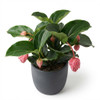
This plant is renowned for its large, leathery, dark green leaves that feature prominent light green veins. Its most striking feature is the pendulous flower clusters consisting of small pink blossoms protected by large, showy pink bracts that resemble upside-down lanterns.
5. Size & Dimensions
When grown as an indoor plant, it typically reaches a height and spread of 60 to 120 cm (2 to 4 feet). In its natural habitat, it can grow significantly larger, forming a woody shrub.
6. Light Requirements
It thrives in bright, indirect, or filtered light. Direct afternoon sun should be avoided as it can scorch the leaves, while too little light will prevent the plant from producing its iconic blooms.
7. Watering Needs
During the growing season, keep the soil consistently moist but never waterlogged. Allow the top inch of the soil to dry out before watering again. Use tepid, soft water if possible, as the plant can be sensitive to hard water chemicals.
8. Soil & Potting
As an epiphyte, it requires an extremely well-draining and airy growing medium. A high-quality orchid bark mix or a blend of peat moss, perlite, and bark is ideal to ensure proper aeration for the roots.
9. Temperature & Humidity
Prefers warm temperatures between 18°C and 25°C. High humidity (60% or higher) is crucial for this plant's health. It is recommended to use a humidifier or place the pot on a pebble tray with water in dry indoor environments.
10. Fertilization
Feed every two weeks during the spring and summer with a balanced liquid fertilizer diluted to half strength. Use a fertilizer slightly higher in phosphorus to encourage blooming during the flowering season.
11. Maintenance & Care Level
Maintenance Level: High. This is a "collector's plant" that requires consistent attention to humidity and light. It does not like to be moved once it has found a suitable spot.
12. Growth & Propagation
Medinilla magnifica is a relatively slow-growing plant. Propagation is typically achieved through semi-hardwood stem cuttings or seeds, though both methods can be challenging for beginners and require high humidity and warmth.
13. Common Problems
Vulnerable to spider mites and mealybugs if the air is too dry. Leaf drop can occur if the plant experiences sudden temperature changes, cold drafts, or if the soil remains too wet for extended periods.
14. Benefits & Uses
Primarily used as a high-end ornamental plant to provide a tropical, luxurious aesthetic to interior spaces. It is an excellent choice for focal points in receptions, living rooms, or humid conservatories.
15. Toxicity & Safety
Medinilla magnifica is generally considered non-toxic to humans. While not officially listed as toxic by the ASPCA, it is not certified as pet-safe and may cause mild digestive upset if ingested by cats or dogs. Best kept out of reach of pets.
Medinilla magnifica

Turn any bright corner into a boutique-style tropical display with Medinilla magnifica. Its elegant, pendant pink bracts and bold glossy leaves deliver instant luxury—perfect for receptions, living rooms, and unforgettable gifts. With bright filtered light, an airy mix, and consistent care, this collector favorite rewards you with weeks of show-stopping blooms.
1. Basic Identification
Common Name: Rose Grape, Philippine Orchid, Pink Lantern
Botanical Name: Medinilla magnifica
Arabic Name: صبار كاكتوس
Plant Variant: Standard
Plant Color: Multicolor
Family: Melastomataceae
2. Taxonomy & Classification
Kingdom: Plantae
Clade: Tracheophytes
Order: Myrtales
Family: Melastomataceae
Genus: Medinilla
Species: Medinilla magnifica
3. Origin & Distribution
Medinilla magnifica is native to the tropical rainforests of the Philippines, specifically the islands of Luzon, Mindanao, and Panay. It naturally grows as an epiphyte, perched on the branches of large trees in warm, humid environments.
4. Visual Characteristics
This plant is renowned for its large, leathery, dark green leaves that feature prominent light green veins. Its most striking feature is the pendulous flower clusters consisting of small pink blossoms protected by large, showy pink bracts that resemble upside-down lanterns.
5. Size & Dimensions
When grown as an indoor plant, it typically reaches a height and spread of 60 to 120 cm (2 to 4 feet). In its natural habitat, it can grow significantly larger, forming a woody shrub.
6. Light Requirements
It thrives in bright, indirect, or filtered light. Direct afternoon sun should be avoided as it can scorch the leaves, while too little light will prevent the plant from producing its iconic blooms.
7. Watering Needs
During the growing season, keep the soil consistently moist but never waterlogged. Allow the top inch of the soil to dry out before watering again. Use tepid, soft water if possible, as the plant can be sensitive to hard water chemicals.
8. Soil & Potting
As an epiphyte, it requires an extremely well-draining and airy growing medium. A high-quality orchid bark mix or a blend of peat moss, perlite, and bark is ideal to ensure proper aeration for the roots.
9. Temperature & Humidity
Prefers warm temperatures between 18°C and 25°C. High humidity (60% or higher) is crucial for this plant's health. It is recommended to use a humidifier or place the pot on a pebble tray with water in dry indoor environments.
10. Fertilization
Feed every two weeks during the spring and summer with a balanced liquid fertilizer diluted to half strength. Use a fertilizer slightly higher in phosphorus to encourage blooming during the flowering season.
11. Maintenance & Care Level
Maintenance Level: High. This is a "collector's plant" that requires consistent attention to humidity and light. It does not like to be moved once it has found a suitable spot.
12. Growth & Propagation
Medinilla magnifica is a relatively slow-growing plant. Propagation is typically achieved through semi-hardwood stem cuttings or seeds, though both methods can be challenging for beginners and require high humidity and warmth.
13. Common Problems
Vulnerable to spider mites and mealybugs if the air is too dry. Leaf drop can occur if the plant experiences sudden temperature changes, cold drafts, or if the soil remains too wet for extended periods.
14. Benefits & Uses
Primarily used as a high-end ornamental plant to provide a tropical, luxurious aesthetic to interior spaces. It is an excellent choice for focal points in receptions, living rooms, or humid conservatories.
15. Toxicity & Safety
Medinilla magnifica is generally considered non-toxic to humans. While not officially listed as toxic by the ASPCA, it is not certified as pet-safe and may cause mild digestive upset if ingested by cats or dogs. Best kept out of reach of pets.