


Bring a premium, hotel-lobby look to your space with the Benjamin Standard (Ficus benjamina). Its clean trunk and lush rounded crown instantly elevate living rooms, entrances, and offices. Place it in bright light, water when the soil surface dries, and enjoy a timeless indoor tree that stays neat with simple seasonal pruning.
Common Name: Benjamin Standard
Botanical Name: Ficus benjamina
Former Name: Not available
Plant Type: Indoor tree/Houseplant
Plant Code / SKU: PLT-0042
Alternative Names:
بنجامين
Order: Rosales
Family: Moraceae
Genus: Ficus
Ficus benjamina is native to tropical regions of Asia and northern Australia, ranging from India through Southeast Asia to the Philippines and northern Australia. It has been widely introduced as an ornamental plant in tropical and subtropical regions worldwide and is extensively cultivated as an indoor houseplant in temperate climates.
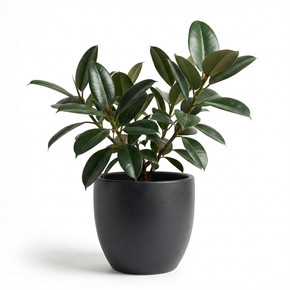
The Benjamin Standard features a smooth, grayish trunk trained into a single, sturdy stem supporting a dense, rounded canopy of glossy evergreen leaves. Leaves are elliptic to lanceolate, 5–13 cm long, with a pointed tip and drooping habit. New growth emerges light green, maturing to a rich dark green.
In its standard tree form, it typically reaches 1.5–2.5 m in height indoors, with a canopy spread of 1–1.5 m. The clear trunk (leader) is usually 1.2–1.8 m tall before branching begins. Growth rate is moderate under optimal conditions.
Prefers bright, indirect light. Tolerates some morning or late-afternoon sun, but avoid intense midday sun which can scorch foliage. In lower light, growth slows and plants may become leggy.
Keep soil evenly moist but not waterlogged. Water thoroughly when the top 2.5 cm of soil feels dry, allowing excess to drain away. Reduce watering frequency in winter when growth slows to prevent root rot.
Use a well-draining potting mix containing peat moss, pine bark, and perlite or coarse sand. Repot every 2–3 years or when root-bound, ideally in spring. Top-dress annually with fresh mix or slow-release fertilizer.
Optimal daytime temperatures range from 18 – 24 °C; avoid below 13 °C. Protect from cold drafts and sudden temperature changes. Prefers moderate to high humidity (50–60%). Low humidity may cause leaf drop or brown leaf tips.
Feed with a balanced liquid fertilizer (e.g., 10-10-10 or 20-20-20) every 4–6 weeks during spring and summer. Do not fertilize in autumn and winter when growth is minimal to avoid salt buildup.
Care Level: Moderate. Requires regular pruning to maintain shape and remove dead or crossing branches. Wipe leaves occasionally to remove dust and promote light absorption. Monitor for pests and environmental stress.
Growth Rate: Moderate. Propagate by semi-ripe stem cuttings (10–15 cm) with several leaves removed, rooting in water or a moist, well-draining medium. Air layering is commonly used for producing sturdy standards with a single trunk.
Leaf drop often results from sudden changes in light, temperature, or watering. Overwatering can lead to root rot; underwatering causes leaf yellowing and tip browning. Susceptible to spider mites, scale insects, mealybugs, and aphids.
Effective at removing indoor pollutants such as formaldehyde, benzene, and toluene. Adds visual height and architectural interest to interiors. Enhances humidity and contributes to stress reduction, making it ideal for offices, lobbies, and homes.
All parts contain ficin, which is toxic if ingested by pets and humans, causing oral irritation, vomiting, and diarrhea. Sap may irritate skin and eyes. Keep out of reach of children and animals.
Bring a premium, hotel-lobby look to your space with the Benjamin Standard (Ficus benjamina). Its clean trunk and lush rounded crown instantly elevate living rooms, entrances, and offices. Place it in bright light, water when the soil surface dries, and enjoy a timeless indoor tree that stays neat with simple seasonal pruning.
Common Name: Benjamin Standard
Botanical Name: Ficus benjamina
Former Name: Not available
Plant Type: Indoor tree/Houseplant
Plant Code / SKU: PLT-0042
Alternative Names:
بنجامين
Order: Rosales
Family: Moraceae
Genus: Ficus
Ficus benjamina is native to tropical regions of Asia and northern Australia, ranging from India through Southeast Asia to the Philippines and northern Australia. It has been widely introduced as an ornamental plant in tropical and subtropical regions worldwide and is extensively cultivated as an indoor houseplant in temperate climates.
The Benjamin Standard features a smooth, grayish trunk trained into a single, sturdy stem supporting a dense, rounded canopy of glossy evergreen leaves. Leaves are elliptic to lanceolate, 5–13 cm long, with a pointed tip and drooping habit. New growth emerges light green, maturing to a rich dark green.
In its standard tree form, it typically reaches 1.5–2.5 m in height indoors, with a canopy spread of 1–1.5 m. The clear trunk (leader) is usually 1.2–1.8 m tall before branching begins. Growth rate is moderate under optimal conditions.
Prefers bright, indirect light. Tolerates some morning or late-afternoon sun, but avoid intense midday sun which can scorch foliage. In lower light, growth slows and plants may become leggy.
Keep soil evenly moist but not waterlogged. Water thoroughly when the top 2.5 cm of soil feels dry, allowing excess to drain away. Reduce watering frequency in winter when growth slows to prevent root rot.
Use a well-draining potting mix containing peat moss, pine bark, and perlite or coarse sand. Repot every 2–3 years or when root-bound, ideally in spring. Top-dress annually with fresh mix or slow-release fertilizer.
Optimal daytime temperatures range from 18 – 24 °C; avoid below 13 °C. Protect from cold drafts and sudden temperature changes. Prefers moderate to high humidity (50–60%). Low humidity may cause leaf drop or brown leaf tips.
Feed with a balanced liquid fertilizer (e.g., 10-10-10 or 20-20-20) every 4–6 weeks during spring and summer. Do not fertilize in autumn and winter when growth is minimal to avoid salt buildup.
Care Level: Moderate. Requires regular pruning to maintain shape and remove dead or crossing branches. Wipe leaves occasionally to remove dust and promote light absorption. Monitor for pests and environmental stress.
Growth Rate: Moderate. Propagate by semi-ripe stem cuttings (10–15 cm) with several leaves removed, rooting in water or a moist, well-draining medium. Air layering is commonly used for producing sturdy standards with a single trunk.
Leaf drop often results from sudden changes in light, temperature, or watering. Overwatering can lead to root rot; underwatering causes leaf yellowing and tip browning. Susceptible to spider mites, scale insects, mealybugs, and aphids.
Effective at removing indoor pollutants such as formaldehyde, benzene, and toluene. Adds visual height and architectural interest to interiors. Enhances humidity and contributes to stress reduction, making it ideal for offices, lobbies, and homes.
All parts contain ficin, which is toxic if ingested by pets and humans, causing oral irritation, vomiting, and diarrhea. Sap may irritate skin and eyes. Keep out of reach of children and animals.




Take 20% off your first order
Enter the code below at checkout to get 20% off your first order