


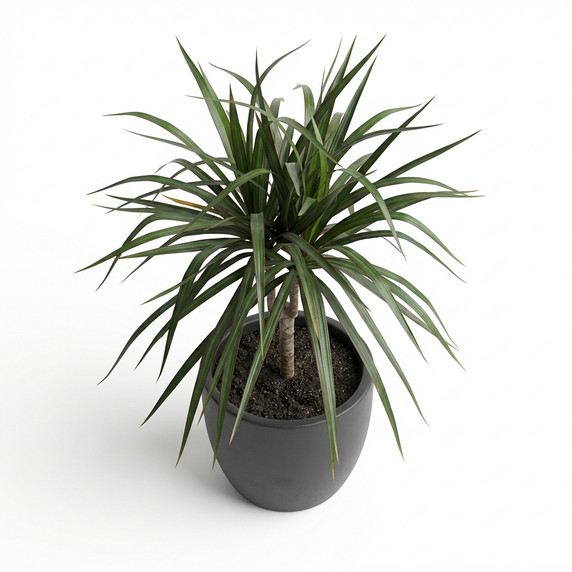

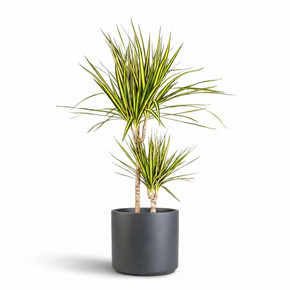


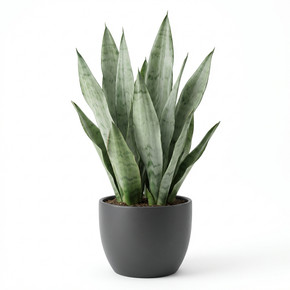
Add instant height and a clean designer look with Dracaena marginata. This hardy dragon tree thrives in typical indoor conditions, forgives missed waterings, and elevates living rooms, receptions, and meeting areas with its elegant, fountain-like foliage. A dependable choice for anyone who wants a bold statement plant without the fuss.
Common Name: Not available
Botanical Name: Dracaena marginata
Former Name: Not available
Plant Type: Not available
SKU: PLT-0160
Alternative Names:
دراسينيا
Order: Asparagales
Family: Asparagaceae
Genus: Dracaena
Native to the island of Madagascar, where it grows in dry, deciduous forests. Widely cultivated as an ornamental houseplant in tropical and subtropical regions worldwide.
Stems: Slender, woody, cane-like trunks that may branch with maturity
Leaves: Narrow, arching, lanceolate leaves up to 60 cm long; green with red or purple margins
Growth Habit: Upright, fountain-like rosette of foliage atop each cane; clumping when multiple stems are present
Indoor Height: Typically 1.5–2 m (5–6.5 ft)
Indoor Width: 0.5–0.7 m (1.5–2.3 ft)
Outdoor Height: Up to 6–8 m (20–26 ft) in frost-free climates
Prefers bright, indirect light; tolerates moderate to low light conditions
Avoid direct midday sun to prevent leaf scorch
Water thoroughly, then allow the top 2–3 cm (1 in) of soil to dry before watering again
Drought tolerant; overwatering can lead to root rot
Use a well-draining potting mix (peat-based with perlite or coarse sand)
pH preference: slightly acidic to neutral (6.0–7.0)
Ensure pot has adequate drainage holes
Ideal temperature range: 18–27 °C (65–80 °F)
Minimum temperature: 13 °C (55 °F)
Prefers moderate to high humidity; tolerates average indoor levels
Apply a balanced liquid fertilizer (e.g., 10-10-10) every 4–6 weeks during spring and summer
Reduce or suspend feeding in fall and winter
Low maintenance; remove yellow or damaged leaves as needed
Wipe foliage occasionally to remove dust
Repot every 2–3 years or when root-bound
Growth rate: Slow to moderate
Propagation by cane cuttings: cut 10–15 cm sections of stem, allow to callus, then root in water or moist potting mix
Air layering can also be used for larger specimens
Leaf tip browning from fluoride in water or low humidity
Yellowing leaves from overwatering or poor drainage
Pests: spider mites, mealybugs, scale; treat with insecticidal soap or neem oil
Root rot if soil remains waterlogged
Excellent air-purifying plant (removes formaldehyde, benzene)
Adds architectural height and color contrast to interiors
Popular in offices, lobbies, living rooms, and reception areas
Toxic to cats, dogs, and humans if ingested; may cause vomiting, drooling, and anorexia
Keep out of reach of children and pets
Add instant height and a clean designer look with Dracaena marginata. This hardy dragon tree thrives in typical indoor conditions, forgives missed waterings, and elevates living rooms, receptions, and meeting areas with its elegant, fountain-like foliage. A dependable choice for anyone who wants a bold statement plant without the fuss.
Common Name: Not available
Botanical Name: Dracaena marginata
Former Name: Not available
Plant Type: Not available
SKU: PLT-0160
Alternative Names:
دراسينيا
Order: Asparagales
Family: Asparagaceae
Genus: Dracaena
Native to the island of Madagascar, where it grows in dry, deciduous forests. Widely cultivated as an ornamental houseplant in tropical and subtropical regions worldwide.
Stems: Slender, woody, cane-like trunks that may branch with maturity
Leaves: Narrow, arching, lanceolate leaves up to 60 cm long; green with red or purple margins
Growth Habit: Upright, fountain-like rosette of foliage atop each cane; clumping when multiple stems are present
Indoor Height: Typically 1.5–2 m (5–6.5 ft)
Indoor Width: 0.5–0.7 m (1.5–2.3 ft)
Outdoor Height: Up to 6–8 m (20–26 ft) in frost-free climates
Prefers bright, indirect light; tolerates moderate to low light conditions
Avoid direct midday sun to prevent leaf scorch
Water thoroughly, then allow the top 2–3 cm (1 in) of soil to dry before watering again
Drought tolerant; overwatering can lead to root rot
Use a well-draining potting mix (peat-based with perlite or coarse sand)
pH preference: slightly acidic to neutral (6.0–7.0)
Ensure pot has adequate drainage holes
Ideal temperature range: 18–27 °C (65–80 °F)
Minimum temperature: 13 °C (55 °F)
Prefers moderate to high humidity; tolerates average indoor levels
Apply a balanced liquid fertilizer (e.g., 10-10-10) every 4–6 weeks during spring and summer
Reduce or suspend feeding in fall and winter
Low maintenance; remove yellow or damaged leaves as needed
Wipe foliage occasionally to remove dust
Repot every 2–3 years or when root-bound
Growth rate: Slow to moderate
Propagation by cane cuttings: cut 10–15 cm sections of stem, allow to callus, then root in water or moist potting mix
Air layering can also be used for larger specimens
Leaf tip browning from fluoride in water or low humidity
Yellowing leaves from overwatering or poor drainage
Pests: spider mites, mealybugs, scale; treat with insecticidal soap or neem oil
Root rot if soil remains waterlogged
Excellent air-purifying plant (removes formaldehyde, benzene)
Adds architectural height and color contrast to interiors
Popular in offices, lobbies, living rooms, and reception areas
Toxic to cats, dogs, and humans if ingested; may cause vomiting, drooling, and anorexia
Keep out of reach of children and pets





Take 20% off your first order
Enter the code below at checkout to get 20% off your first order